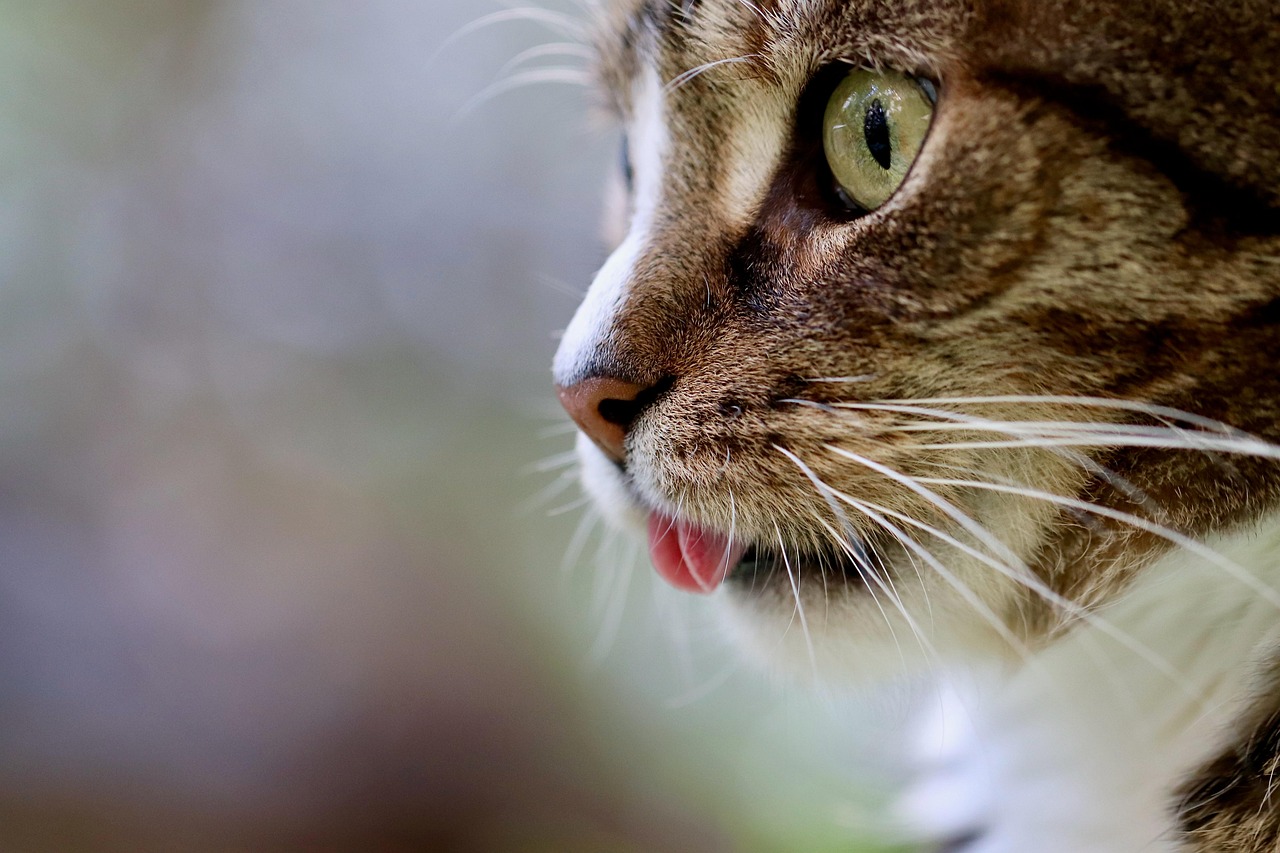

Top Symptoms of Vitamin Deficiency in Your Cat
Cats rely on essential vitamins to maintain optimal health and wellness. A deficiency in these vitamins can lead to alarming symptoms that every cat owner should recognize. Common signs include a decline in overall energy or lethargy, indicating that your feline friend may be lacking necessary nutrients. Moreover, another prominent symptom is the noticeable change in the cat’s appearance, such as dull or unkempt fur. This can be a direct result of insufficient key vitamins, like Vitamin A or E, which play significant roles in maintaining a healthy coat. You may also notice your cat exhibiting more frequent digestive issues, including vomiting or diarrhea, as imbalances can affect digestive health significantly. If you observe any of these signs, it’s crucial to consult with your vet. They can perform tests to determine if a vitamin deficiency exists and recommend appropriate dietary adjustments or supplements. Alongside these changes, monitor your cat’s weight. Sudden weight loss or gain may indicate nutritional deficiencies and can lead to other serious health issues. Pay close attention to your cat’s behavior; changes can signal underlying health concerns that need addressing.
Another alarming sign of vitamin deficiency in cats is a weakened immune system. Healthier cats typically have strong immune responses, allowing them to fend off infections and diseases more easily. If your cat seems to be getting sick more frequently or takes longer to recover, this may be due to a lack of vital vitamins, particularly Vitamins C and E. Additionally, look out for any changes in behavior or temperament. Cats suffering from deficiencies might become more irritable, anxious, or withdrawn. These behavioral shifts can stem from discomfort or stress due to nutritional imbalances. It is important to also monitor their dental health. Neglected vitamins can lead to gum disease and tooth decay, which can be quite painful and lead to further complications. Signs of dental issues include bad breath, bleeding gums, and difficulty chewing. Regular check-ups with a veterinarian can help identify and prevent these problems. To help combat these deficiencies, ensure your cat has access to a balanced diet rich in proteins, vegetables, and specially formulated cat food that caters to their nutritional needs. Always discuss dietary changes with a vet for tailored advice.
Changes in Coat and Skin Health
As mentioned previously, coat quality is closely tied to a cat’s vitamin intake. A healthy cat typically boasts a shiny, well-groomed coat. However, deficiencies in important vitamins can result in a range of issues. For instance, lack of Vitamin A can lead to dry, flaky skin, while insufficient omega fatty acids cause dull and brittle fur. In severe cases, cats may even start losing patches of fur or developing skin infections due to deteriorating skin health. If your cat is exhibiting such symptoms, it is vital to check their diet for balance, ensuring they receive essential fatty acids and vitamins. More serious signs include skin lesions or excessive scratching, indicating potential skin allergies or deficiencies that require veterinary attention. Your vet may recommend specific supplements or dietary changes to improve the condition. Be sure to adhere to their advice to ensure your cat regains its healthy coat. Additionally, regular grooming sessions can help you identify any changes early on, allowing you to respond promptly if any abnormalities appear. Don’t underestimate how crucial nutrition is for maintaining your cat’s skin and fur quality.
Furthermore, another critical symptom of vitamin deficiency in cats lies in their vision health. Vitamin A, in particular, is essential for maintaining eye health. Deficiencies can lead to issues like night blindness or other serious vision problems. If you notice your cat struggling in dim light or bumping into objects more frequently, it may be time to assess their nutritional intake. Incorporating adequate sources of vitamin A through diet, such as liver or fish, can help improve their eye function. Alongside its importance for vision, Vitamin A also supports immune function, which ties back into the overall health of your feline companion. Regular eye examinations should be part of your cat’s health routine to catch any changes early, preventing long-term consequences. Additionally, monitor behavior changes, especially related to play or navigation in the home. Hesitance to jump or engage in activities can signal health issues. It’s essential to maintain open communication with your veterinarian regarding dietary choices. Discuss possible solutions to rectify any vitamin deficiencies, including available supplements or adjustments they might suggest in your cat’s diet for improved health.
Impact on Mobility and Joint Health
Mobility issues may also arise as a symptom of vitamin deficiencies in your cat. Vitamins such as D and E are crucial for bone and muscle health. A lack of these vitamins can lead to muscle weakness, stiffness, and joint pain. If your cat is reluctant to jump, run, or engage in typical playful activities, it could be indicative of an underlying issue related to nutritional deficiencies. Regular activity is vital for a cat’s physical health and well-being, so it’s crucial to identify these changes early. Observing for any limping or signs of discomfort when moving can also help pinpoint vitamin deficiencies. A thorough check-up with a vet can help diagnose any underlying issues affecting your pet’s mobility. They may suggest dietary changes or supplements to support joint health, particularly as cats age. For cat owners, encouraging gentle exercise can also be beneficial for maintaining strength and flexibility. Nutrition plays a prominent role in a cat’s mobility, so ensure they are receiving a balanced diet rich in vitamins. Preventative measures, including maintaining healthy weight and regular vet check-ups, can be instrumental in promoting long-lasting health.
Another symptom worth noting is a change in appetite, which could indicate potential vitamin deficiencies in cats. When balanced nutrition is lacking, it can result in either an increase or decrease in your cat’s food intake. If your cat is suddenly refusing food, it may suggest ill health as a result of vitamin deficiencies affecting taste or digestive comfort. On the other hand, some cats may exhibit increased hunger due to malabsorption of essential nutrients or an imbalance in their diet. It’s crucial to monitor these changes closely. Engage with your veterinarian to understand the underlying factors contributing to these eating habits. A proper assessment will help address any nutritional imbalances. Keeping track of your cat’s eating patterns will provide insights into their overall health. Sufficient hydration also plays a significant role in maintaining appetite, so make sure your cat has access to fresh water at all times. This dietary balance, combined with appropriate veterinary advice, ensures optimal health remains attainable. Make any necessary adjustments to their feeding regimen based on these observations to better support your feline’s dietary requirements and overall welfare.
Seeking Professional Help
Finally, if you notice persistent symptoms in your cat related to potential vitamin deficiencies, it is essential to seek professional help promptly. Cat health can change rapidly; thus, timely intervention is crucial. Your veterinarian can provide valuable insights and conduct tests necessary to determine any deficiencies accurately. Based on the findings, a tailored dietary plan can be made to ensure all vital vitamins are included in their meals. The role of regular veterinary visits cannot be overstated as early diagnosis often leads to improved outcomes for nutritional deficiencies. Additionally, staying informed about your cat’s health can empower you as an owner. Research reputable sources of dietary supplements designed specifically for cats, as they can support your pet’s health positively. Furthermore, ensure that any changes made to your cat’s diet are gradual to avoid digestive discomfort. Providing a balanced diet rich in vitamins not only benefits your cat’s physical health but also enhances their vitality and happiness. Reliable brands and high-quality products are essential. Always prioritize your feline companion’s needs, ensuring they receive proper nutrition to thrive.
In conclusion, recognizing the signs of vitamin deficiencies in cats is essential for every pet owner. Symptoms such as changes in coat quality, energy levels, appetite, weight fluctuations, and mobility issues signal that something might be wrong with their diet. Understanding the intricacies of feline nutrition encourages responsible cat ownership and promotes the well-being of your pet. Regular visits to the veterinarian play a critical role in identifying and addressing any potential deficiencies or health concerns. By collaborating with a vet, you can create a dietary plan tailored to your cat’s specific needs. Remember that prevention is often the best medicine, so focusing on a balanced diet is crucial for your feline’s long-term health. In addition, staying informed about the foods you provide can make a significant difference. With many options available, choosing nutritious, high-quality cat food ensures your pet receives optimal vitamins and minerals. Take action by researching appropriate dietary supplements in-case needed. Ensuring the health of your cat is a dedicated task worth pursuing. A proactive approach towards nutrition and a keen eye on your cat will undoubtedly enhance their quality of life.