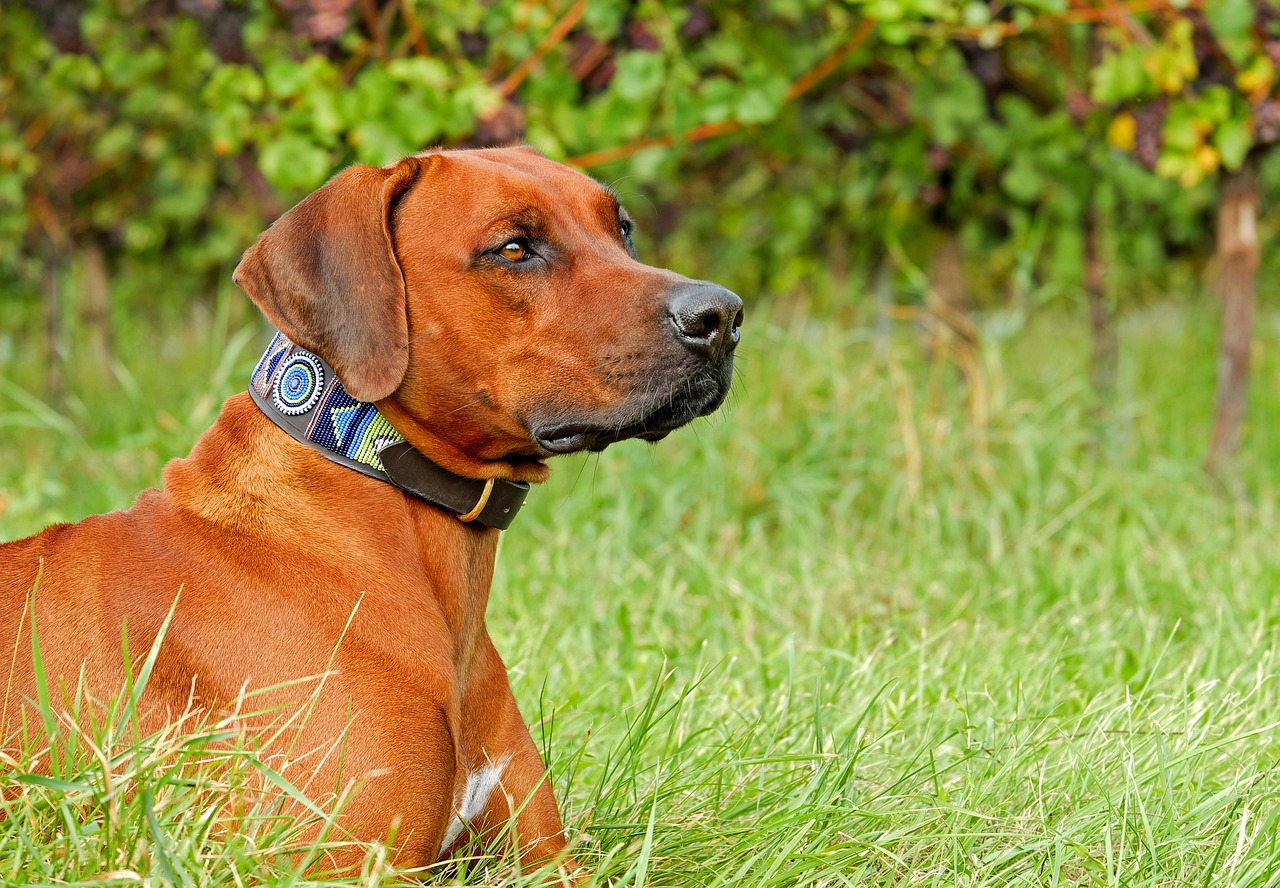

How to Prevent Common Rhodesian Ridgeback Health Problems
Rhodesian Ridgebacks are known for their strength and endurance, originating in Southern Africa. However, each breed comes with health vulnerabilities. To keep your Ridgeback healthy, proactive measures are necessary. Regular veterinary visits are fundamental, as preventative care makes a significant difference. Vaccinations are essential in combating diseases common among dogs. Parasitic infections can severely impact health; thus, administering appropriate medication against fleas, ticks, and worms is crucial. Additionally, maintaining an ideal weight prevents obesity-related health issues. Regular exercise is essential for a Ridgeback, as these dogs require physical and mental stimulation. Engaging them in activities can alleviate boredom and stress. Furthermore, providing a balanced diet suitable for their life stage promotes healthy growth. It’s vital to choose high-quality dog food recommended by veterinarians. It’s equally important to maintain dental hygiene; poor oral health can lead to serious health risks. Brushing your dog’s teeth or providing dental chews is ideal. Lastly, always research responsible breeders who prioritize health screenings for their breeding stock. These preventive measures will significantly improve your Rhodesian Ridgeback’s health and lifelong quality of life.
Regular Check-ups and Vaccinations
Regular veterinary check-ups provide vital information on your Rhodesian Ridgeback’s overall health and well-being. Schedule visits twice a year at the minimum, especially when your dog ages. During these examinations, your veterinarian will assess the dog’s weight, heart health, and any signs of illness. Vaccination schedules vary, but they protect against conditions like parvovirus and distemper. Discuss with your vet about a tailored vaccination plan. Regularly testing for heartworm and obtaining preventative medications is essential, particularly where transmission is prevalent. Additionally, watch for joint issues such as hip dysplasia. Ridgebacks can suffer from this condition, leading to discomfort and reduced mobility. X-rays can help determine joint health early. If you notice hesitancy during exercise or difficulty standing, contact your vet immediately. Ensuring your Ridgeback stays current with vaccinations and preventative treatments will significantly reduce the risk of disease. Furthermore, gather a comprehensive health history to provide to the new vet if you relocate. Utilizing health-focused programs can also enable early detection of any illnesses before they worsen. Being proactive ensures longevity and quality life with your beloved Ridgeback.
Feeding your Rhodesian Ridgeback a balanced diet is essential in preventing health problems. Nutritional needs shift as dogs age. Puppies have different requirements than adults or seniors. Consult your veterinarian for advice on proper nutritional guidelines based on your dog’s age, weight, and activity level. High-quality food helps maintain ideal body weight and ensures strong muscles and healthy bones. Look for products containing essential fatty acids for a shiny coat. Avoid overfeeding your Ridgeback, as obesity-related health problems can arise. Maintaining appropriate portion sizes minimizes the risk of joint issues and diabetes later in life. Incorporating vegetables and fruits into their diet can provide vitamins and minerals. However, always verify which ones are safe for dogs. Treats should be given moderately without exceeding daily caloric intake. Understanding dietary allergies is also crucial; some Ridgebacks may be sensitive to certain ingredients. Monitor for symptoms like itching or digestive upset. Similarly, ensuring fresh water is available continually aids digestion and hydration. Tailoring your dog’s diet not only enhances their health but also their vitality and happiness, allowing them to thrive in a loving environment.
Exercise and Mental Stimulation
Exercise is vital for Rhodesian Ridgebacks to maintain both physical and mental health. These dogs were bred to hunt and guard, so they are energetic and require daily outlets for that energy. Aim for at least an hour each day of vigorous activity, which can include jogging, hiking, or playing fetch. Regular physical activity reduces the risk of obesity, encourages good cardiovascular health, and keeps their joints flexible. Incorporate varied activities to avoid boredom; canines thrive with mental challenges. Puzzle toys or training exercises can stimulate their minds alongside physical engagement. Socialization with other dogs is crucial from puppyhood; it helps them develop good behavior and reduces anxiety. Enrolling in obedience classes can provide structure while benefiting both dog and owner. Interactive games such as agility courses or scent work can be enjoyable for Ridgebacks, fostering teamwork and connection. Additionally, involve family members in exercise routines as this strengthens bonds. Alternate between solitary exercise and playdates with other dogs to maximize their experiences. Striking a balance between physical and mental stimulation will prevent behavioral issues and enhance your Rhodesian Ridgeback’s overall happiness and well-being.
Grooming is essential in maintaining the health of your Rhodesian Ridgeback. This breed typically has short hair; however, consistent grooming helps minimize shedding and keeps the skin healthy. Brush your dog weekly to remove loose fur and prevent matting. This simple process also distributes natural oils, promoting a shiny coat. Pay attention to nails, as overgrown nails can cause discomfort and some orthopedic issues. Regular nail trimming is, therefore, crucial for their comfort and health. Bathing is also essential, but it’s important to avoid over-bathing, which can strip essential oils and dry out the skin. Aim to bathe your Ridgeback no more than once a month unless they become particularly dirty. Cleaning their ears can help prevent infections; always check for debris, and moisture build-up. Using vet-recommended ear cleaners can be beneficial. Equally significant is dental hygiene; regular brushing or vet check-ups for dental cleanings will keep their teeth healthy. Overall, grooming routines should be enjoyable and establish a bond between you and your Ridgeback. A well-groomed dog will be happier and healthier, leading to an improved quality of life.
Breeding and Health Screening
When acquiring a Rhodesian Ridgeback, choosing a responsible breeder is paramount in minimizing health issues. Responsible breeders conduct health screenings and genetic testing, ensuring that only healthy dogs are bred. Ask for certifications of screened conditions such as hip and elbow dysplasia and heart-related issues. When selecting a puppy, inquire about the litter’s health history, health guarantees, and the breeder’s reputation. Responsible breeders should be willing to discuss their breeding practices and answer any questions. They should prioritize good temperaments and health over physical appearance, creating a foundation of strong genetics. Be cautious of breeders who prioritize profit over the wellbeing of the dogs. Additionally, consider adopting from breed-specific rescues; many Ridgebacks need homes due to unforeseen circumstances. Always remember that adopting ensures you provide a second chance to a dog in need. When considering breeding, understand the implications of potential health issues that could arise. Consulting with professional veterinarians for guidance will aid decision-making for breeding practices. Being informed will help ensure the lifelong health and happiness of your potential Rhodesian Ridgeback.
By being attentive to common health concerns, you can significantly improve your Rhodesian Ridgeback’s lifespan. Understanding genetic predispositions is essential, as breeds like Ridgebacks may suffer from certain diseases more than others. Common issues include hip dysplasia, hypothyroidism, and certain forms of cancer. Owning a Ridgeback means being proactive; monitor changes such as weight gain, lethargy,or unusual behaviors. Awareness of these risk factors and regular check-ups will enable early detection and treatment if necessary. Additionally, maintain an emergency kit stocked with basic first-aid supplies for your dog. This preparation can aid in quick responses to minor injuries. Keep records of all vaccinations, treatments, and medical conditions for reference during vet visits. Sharing this history with your veterinarian provides valuable information for the best care possible. Create a support network with fellow Ridgeback owners; sharing experiences may reveal preventative measures you’ve not considered. Joining online forums or local clubs can enhance your knowledge base as well. Your commitment to your dog’s health ensures a happy, active life together, nurturing the bond that forms between you and your beloved Rhodesian Ridgeback.