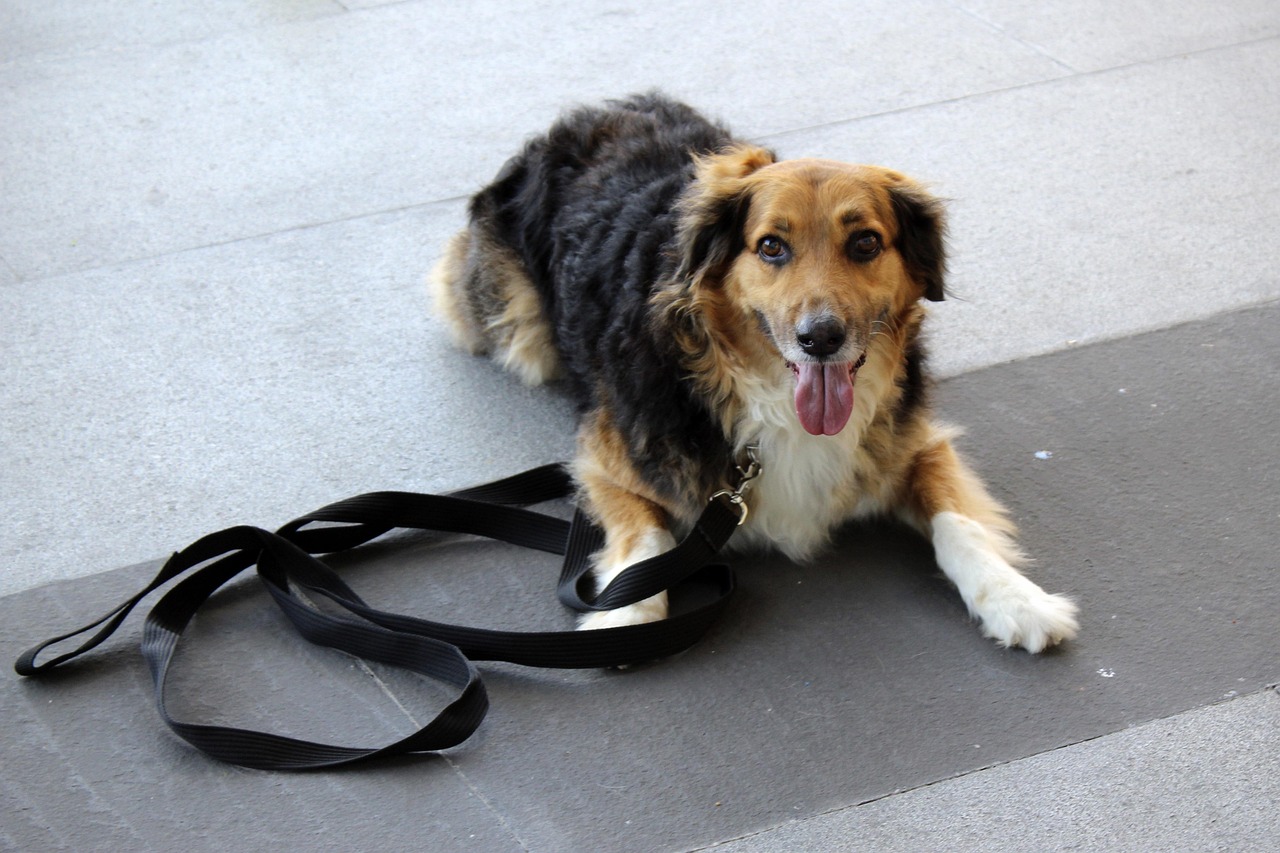

How Clicker Training Helps Build a Stronger Bond with Your Dog
Clicker training is a positive reinforcement method that fosters communication between you and your dog. This training uses a small device that makes a clicking sound to mark a desired behavior. When paired with treats, dogs learn to associate the click with positive outcomes. By focusing on what your dog does correctly, rather than punishing mistakes, you build trust and confidence. This approach strengthens the bond between you and your pet. Here are some essential points to remember regarding clicker training:
- Use a clear, consistent clicker sound for positive reinforcement.
- Always reward immediately after the click so the dog connects the two.
- Keep training sessions short and fun to maintain your dog’s interest.
- Progress at your dog’s pace, ensuring they understand each command before moving on.
Over time, this builds a strong, respectful relationship, where your dog feels secure and eager to learn from you.
In addition to strengthening the bond, clicker training helps improve your dog’s behavior significantly. When a dog is confused or anxious, understanding cues might become challenging. By using clicker training consistently, your dog learns what actions are expected of them. This clarity reduces anxiety and encourages calmness, making training sessions productive and enjoyable. You may find that your dog becomes more responsive, excited, and willing to engage in training exercises. Training becomes a fun game, enriching your dog’s life and promoting mental stimulation. Dogs thrive on routines, so incorporating clicker training into your daily activities fosters stability. To further enhance your dog’s training experience, consider these suggestions:
- Mix tricks with obedience commands to keep sessions exciting.
- Gradually introduce distractions to improve focus and reliability.
- Intersperse physical exercise with mental challenges, creating a well-rounded routine.
Celebrating progress promotes motivation, so ensure you reward even small successes in the training process.
The Science Behind Clicker Training
The psychological principles that underpin clicker training relate to operant conditioning, where behaviors are shaped through consequences. This method relies on the law of effect, which states that behaviors followed by favorable outcomes are likely to recur. In the case of clicker training, the dog hears the click and anticipates a reward, prompting them to repeat the behavior. Practicing regularly reinforces the performance of particular actions, ultimately resulting in good behavior. Scientific studies have demonstrated the effectiveness of positive reinforcement strategies in dogs, showcasing that dogs trained with these methods display lower stress levels and more social behaviors. Understanding the science behind this technique can improve your approach and expectations during training sessions. Here are some important insights:
- Dogs respond better to positive reinforcements than corrections or punishments.
- Consistency in cueing helps dogs learn faster and retain information longer.
- Using clear markers like clicks enhances your communication with your dog.
With patience and dedication, clicker training leads to a deeper understanding and connection between you and your furry friend.
An important aspect of clicker training is how it promotes engagement from both the dog and the owner. Once you start clicking and rewarding correctly performed behaviors, your dog quickly learns that engaging with you results in positive outcomes. This enhances the human-animal bond, making your dog more likely to want to be near you and respond to your commands, ultimately increasing their trust. As a result, the more you practice and work together, the stronger the relationship will become. By incorporating elements of fun and positivity, your training times become special moments to look forward to. Here are some ways to maintain engagement:
- Vary rewards to keep your dog interested; mix treats, toys, or praise.
- Incorporate games into training to relieve boredom.
- Work in different environments to create adaptable dogs.
A well-nurtured bond can positively influence your dog’s overall behavior and happiness.
Building Trust and Confidence through Clicker Training
Clicker training undoubtedly builds trust and confidence in dogs. Unlike traditional methods, clicker training is non-threatening and fosters an inviting atmosphere. The process encourages your dog to experiment with new behaviors, solving problems without fear of reproach. As dogs receive positive reinforcement, their self-esteem and willingness to learn grow significantly. The click acts as a bridge, linking the desired behavior and the promised reward, which aids in learning. This consequent curiosity nurtures creativity and eagerness for continued training exercises. Additionally, fostering an environment of trust encourages dogs to seek out their owners when faced with uncertainty. Here are critical highlights beneficial for developing trust and confidence:
- Never punish your dog during training; it breaks the bond.
- Cheerful encouragement is vital in achieving reliable responses.
- Socialization alongside training enhances their confidence in various situations.
By embedding these principles into your training routine, you contribute to a stable, trusting relationship between you and your dog.
Remember that mutual understanding is crucial when developing a strong bond through clicker training. This means that as you teach your dog, they are also teaching you—learning your cues, tone of voice, and timings. Being attuned with each other creates a synchrony in learning, resulting in a well-rounded partnership. Your dog will pick up on your emotions and may become more responsive to your needs. Be patient and focus on clarity and consistency to succeed in the training process. As your trust grows, you both will gain unique insights into each other’s behaviors. Engaging in activities together, such as hiking or playing, can only further enhance the connection you share. Here are essential tips to explore mutual understanding:
- Observe your dog’s reactions; adjust your training approach accordingly.
- Integrate fun activities to facilitate bonding naturally.
- Celebrate milestones together, fostering a positive atmosphere.
This constructive interaction allows for a more enjoyable and fruitful experience in your dog’s training journey.
Conclusion: The Lasting Impact of Clicker Training
In conclusion, clicker training holds immense potential for strengthening the bond between you and your dog. By practicing this approach consistently, you create an environment rooted in trust, encouragement, and love. Not only can you expect better behavior from your dog, but you also foster a cooperative spirit during training sessions. As you build this positive relationship, both you and your dog will experience immense joy through shared achievements. With patience and perseverance, clicker training can lead to lasting changes in your dog’s behavior and strengthen your connection further. As your dog receives clear, consistent feedback, they will become more motivated and engaged in various tasks. It’s essential to remember that every dog is unique; their learning journey may differ. However, clicker training remains an approach that caters to each dog’s individual nature. As you embark on this rewarding adventure, you will simultaneously build a deep, lasting bond with your furry friend and enjoy every moment spent together.
- Clicker training encourages positive behavior reinforcement.
- Trust and communication keep the relationship thriving.
Start your clicker training journey today!