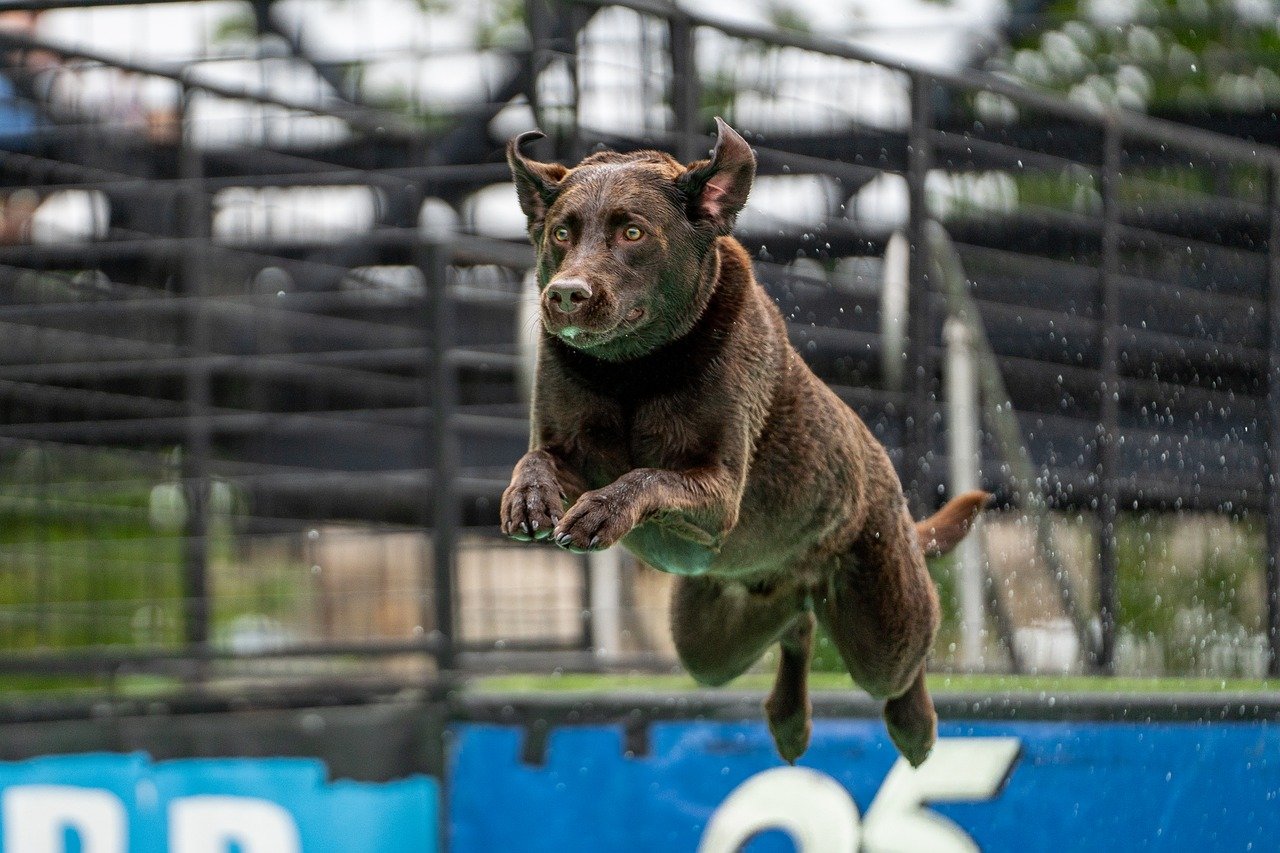

How to Safely Train Your Dog for High-Impact Sports
Training your dog for high-impact sports can be a rewarding experience for both you and your furry companion. However, safety should always be a top priority. To minimize the risk of injuries during training, start with a proper warm-up routine. Just like athletes, dogs benefit from gradual increases in activity levels. A good warm-up includes gentle exercises and stretches that prepare your dog’s muscles for more strenuous activities. It’s crucial to consult with your veterinarian before initiating any intense training regimen. Dogs need to be physically fit to engage in high-impact sports, and pre-existing health conditions must be addressed. Regular check-ups ensure your dog is ready for the demands of such sports. Pay close attention to your dog’s signals. If your dog shows signs of fatigue or discomfort, it is essential to stop the activity immediately. Also, incorporate rest days into your training schedule to give your dog adequate recovery time. Engaging in high-impact sports without proper training and safety measures can lead to severe injuries. Therefore, make safety a priority in all training sessions.
Choosing the right gear is vital for protecting your dog during intense activities. High-impact sports often require specialized equipment to ensure safety and performance. Investing in quality gear such as harnesses and padded collars can help prevent injuries. Look for gear that fits your dog properly, as equipment that is too loose can lead to accidents. Additionally, consider weather conditions when training outdoors. Extreme heat or cold can adversely affect your dog’s health. Always ensure your dog has access to plenty of water during training sessions, as hydration is critical for performance. Furthermore, familiarize your dog with the gear before starting intense training. Allowing your dog to get used to wearing harnesses or other equipment in a controlled environment can prevent stress or anxiety. Socialization is also an essential aspect of training. Regularly exposing your dog to different environments, sounds, and other dogs helps build confidence. Furthermore, a well-socialized dog is easier to control during intense sports activities. With these considerations, you can create a safe and effective training program that prioritizes your dog’s well-being.
Understanding Your Dog’s Physical Limits
Recognizing your dog’s physical limits is crucial for safely training them in high-impact sports. Each dog has unique capabilities, determined by their age, breed, and overall health. For instance, younger dogs might have more energy but may not have developed the muscle strength required for strenuous activities, while older dogs may have more experience but could be more prone to injuries. Start by assessing your dog’s fitness level; gradual conditioning will lead to better results without overwhelming them. Implement a training schedule that increases intensity progressively, allowing their muscles and joints to adapt over time. It is crucial to avoid sudden increases in activity, as this can lead to injuries such as sprains or strains. Additionally, maintaining a balanced diet supports your dog’s stamina and recovery. Prioritize nutrition by providing high-quality dog food rich in protein and essential nutrients. Supplements may also benefit your dog’s joint health, particularly if they are participating in high-impact activities. Always communicate with your veterinarian about the best dietary plan suited to your dog’s specific needs and performance goals to ensure they remain fit.
Training in controlled environments significantly reduces the risk of accidents and injuries. High-impact sports often involve fast, dynamic movements that can lead to unforeseen circumstances if your dog is not properly controlled. Start training in familiar surroundings, such as your backyard or an enclosed space. This helps your dog build confidence in their abilities and reduces distractions. Once your dog has mastered the basics, gradually introduce them to new environments like parks or training facilities specifically designed for dog sports. Remember to introduce new settings slowly to avoid overstimulation. Providing positive reinforcement during training sessions is crucial. Use treats and verbal praise to encourage your dog when they successfully perform a command or action. This method builds their confidence and strengthens the bond between you and your dog. Additionally, be patient and avoid frustration during the training process. Every dog learns at their own pace, and pushing them too hard can lead to anxiety or aversion to training. Listen to their cues, and if they show signs of stress, take a step back. Consistency and patience are your best allies.
The Importance of Recovery and Rest
Recovery and rest are crucial components of any dog training program, especially for high-impact sports. Dogs, like humans, require time to recover after rigorous training sessions to prevent injuries and ensure optimal performance. It’s important to allow adequate time between training days for your dog to recuperate. Always assess your dog’s condition after each training session. If they seem sore, fatigued, or unwilling to engage, it may be a sign that they need more rest. Incorporate lighter days instead of high-impact training, focusing on gentle walks or playtime. This keeps your dog active while allowing their muscles to recover. Additionally, proper nutrition facilitates quicker recovery; provide high-quality food alongside supplements if necessary. Adequate hydration post-training is also essential in preventing dehydration. Pay close attention to your dog’s behavior; any sudden changes can indicate fatigue or discomfort. Ensure your dog is comfortable and has access to a quiet space for rest after training. This environment promotes relaxation and recovery, enabling your dog to perform better in subsequent training sessions. Prioritizing recovery can enhance their performance and prevent long-term health issues related to overtraining.
Notice the signs that indicate your dog is ready for more intense training. Increased enthusiasm during exercises, quicker recovery times after physical activity, and improved performance are all positive indicators that your dog has adapted to their training regimen. However, it’s also important to remain vigilant for warning signs of potential injuries. If your dog starts limping, showing reluctance to jump, or seems to be in pain when exercising, it’s essential to consult a veterinarian. Regular veterinary visits should form part of your training routine, as they can help you identify any underlying health issues. Take note of your dog’s behavior before, during, and after training sessions; this can provide valuable insight. Evaluating your dog’s willingness to participate is key when determining if they are ready for high-impact activities. Always listen to their needs, adjusting your training program accordingly. Consistency and attentiveness will pay off in the long run, allowing for a safe and enjoyable training experience. Exploring diverse high-impact sports can help keep your dog motivated, enthusiastic, and engaged while ensuring their health and safety remain a priority through proper training techniques.
Conclusion and Safety Recap
In conclusion, training your dog for high-impact sports can be an amazing journey when approached with caution and care. Prioritizing your dog’s safety throughout the training process is paramount. Begin with assessing their current fitness level and establish a training routine that includes warm-ups, cooldowns, and rest days. Monitor their physical signs consistently, making adjustments when necessary. Offering rewards and positive reinforcement during training can also encourage good behavior and boost morale. In parallel, ensure that you provide the right gear to reduce injury risk and familiarize them with the equipment beforehand. Always be aware of your chosen environment, whether you’re training at home or in public spaces, to ensure it is safe and secure. Lastly, remember to consult your veterinarian regulary about your dog’s health and dietary needs. Following these safety tips will help ensure a fruitful training process, paving the way for a successful athletic partnership. As you train your dog, relish the bonding experience that comes with it, as it can provide remarkable rewards and countless fond memories that will support their overall well-being.
Ensuring proper safety measures when training your dog will foster a fulfilling and healthy relationship with your canine companion. With time and patience, you can create an enjoyable experience for both you and your dog in the exciting world of high-impact sports. Engaging in these activities not only keeps your dog active but also strengthens the bond between you. A well-trained dog will have enjoyed the journey just as much as the destination, setting a solid foundation for lifelong physical health and emotional connections. High-impact sports demand careful preparation and ongoing commitment, yet the rewards are worthwhile when shared between the owner and their dog. Always remain sensitive to your dog’s needs, and remember that every dog is different, with varying limits and preferences. Celebrate each achievement, whether big or small, as you progress through training. From agility drills to flyball, find sports that genuinely excite your dog. Be sure to discover activities that align well with both of your personalities. By following these tips, you will develop a responsible and enjoyable approach to training your dog safely for high-impact sports.