
Experimenting with Abstract Edits in Dog Photography
Dog photography is a captivating form of art, full of personality and charm, allowing the true essence of canine friends to shine through various styles. One exciting aspect is creative editing, which offers a delightful opportunity to express your artistic vision while showcasing the unique traits of dogs. Abstract edits provide a distinctive approach to traditional dog photography by introducing unconventional techniques and imaginative perspectives. Embracing this editing style means venturing beyond the ordinary and considering fresh interpretations of your captured moments with dogs. In doing so, you can explore vibrant colors, unusual textures, and intriguing compositions that form stunning visuals. Moreover, your audience may appreciate these unique pieces and view your work in a completely new light. Leading the charge in the dog photography world, many photographers are experimenting with abstract edits. This is not merely a trend; it’s a movement that enriches the genre. With a perfect blend of creativity and dog love, the potential to create breathtaking and emotionally resonant imagery is immense. Aim to highlight the individuality of each dog while stimulating the imagination of viewers, thus expanding your creative horizons in dog photography.
Understanding creative editing techniques is essential for producing abstract dog photographs that resonate. Each technique can vary in complexity, but the results often yield amazing visuals that stun or entice the viewer. Common methods include manipulating colors, blending images, and applying different filters to create unusual effects and perspectives. When you engage with these techniques, you allow your artistic expression to flow freely, ensuring your dogs’ personalities shine through amidst the beauty of abstract compositions. Experimenting with double exposures, overlays, or using texture layers can lead to visually striking images that stand out from routine portraits. Another intriguing notion is utilizing vibrant hues to alter the mood and evoke emotions, turning common moments into extraordinary artwork. Consider trying to adjust the color balance, saturation, or contrast to convey a specific feeling or atmosphere, allowing your audience to connect deeply with your images. Photography apps or software like Adobe Photoshop or Lightroom have made editing accessible. They feature tools designed for both beginners and professionals, encouraging exploration of techniques that push the boundaries of traditional dog photography. Dive into workshops or online tutorials to grasp these methods and inspire your creativity further each time you edit.
The Impact of Color in Abstract Edits
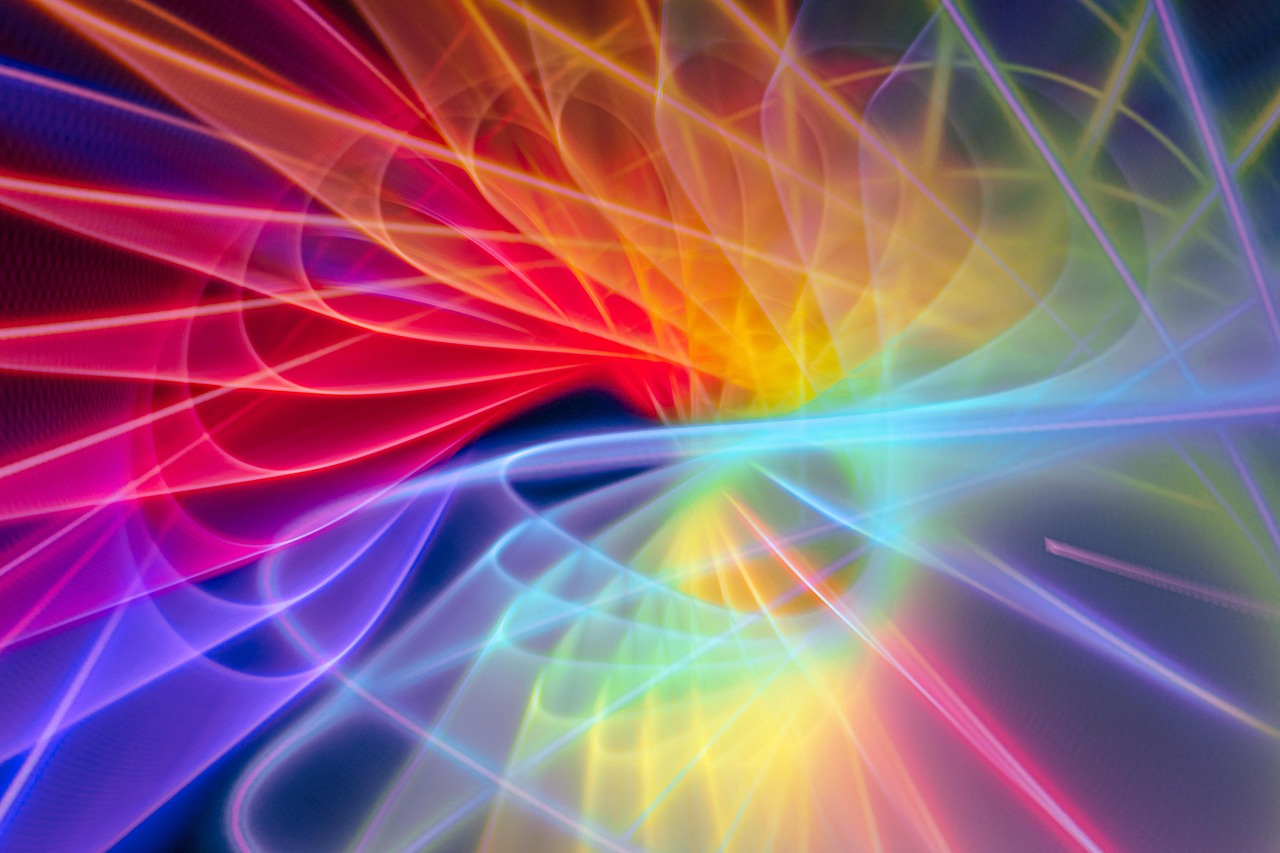
In abstract dog photography, color plays a crucial role and can significantly alter perceptions. By utilizing vibrant colors or unexpected palettes, you can evoke distinct emotions and themes related to the dog’s personality or surroundings. Interesting combinations may transform a simple snapshot into an emotional journey, capturing moments that you didn’t even know existed within the frame. You can achieve this by adjusting the color levels and applying color gradient overlays, giving your images an otherworldly quality. Emphasizing certain colors can also highlight your dog’s features, making their eyes sparkle or their fur glow, essentially bringing them to life in a new dimension. Experimenting with monochrome edits or drastically shifting colors can allow viewers to step into your creative vision, exploring how colors influence their feelings and thoughts surrounding the subject. Abandon the traditional approach and embrace a color palette that speaks to your artistic style and the dog’s character. Additionally, consider the backgrounds and surrounding elements, as they contribute to the emotional response of your audience. Together, these techniques can push boundaries and produce extraordinary representations of dogs that is sure to leave a lasting impression.
Playing with textures in dog photography can also be a meaningful way to spark creativity and innovation in your edits. Incorporating texture overlays can add an extra layer of depth and dimension to your images, making them feel more dynamic and alive. Textures such as fur patterns, nature elements, or abstract designs can enhance the visuals and potentially transform an ordinary photo into a captivating abstract masterpiece. They can engage the viewer on multiple levels, inviting them to explore your artistic choices while connecting with the dog’s true essence. A well-placed texture can evoke a specific mood, enhancing or contrasting the emotions conveyed in the original photo. Moreover, combining textures with color adjustments can result in unexpected yet visually stunning images, encouraging viewers to reevaluate the way they perceive dog photography. Creative experimentation is the key here; don’t hesitate to play around with different textures until you find the combination that resonates most deeply with your vision. There are numerous software tools available, from high-end applications to user-friendly options, that allow you to experiment and implement textures on your images easily. The world of possibilities awaits as you push the envelope in dog photography.
Abstract Composition Techniques
Exploring abstract compositions in dog photography involves breaking free from the conventional framing and focusing techniques typically utilized. Abstract styles emphasize shapes, colors, and forms, rather than just the subject itself. By emphasizing the dog’s form, such as capturing its silhouette or unusual positions, you can create compelling images that draw viewers’ attention. Elements such as framing, cropping, and angles can be adjusted to create more abstract representations, encouraging your audience to perceive familiar subjects from an exciting perspective. Experiment with different focal points, using depth-of-field adjustments to direct attention away from the dog’s face while highlighting other fascinating aspects, like their wagging tail or paws. The journey toward abstract compositions also allows for creative storytelling; consider using negative space to prompt questions or provoke thoughts about the scene, or create contrast through colors and textures to amplify emotions. Capturing motion or pivotal moments can also add to the abstract narrative, transforming traditional elements into something completely engaging. Embrace the freedom of creative experimentation, understanding that not all images need to conform to conventional expectations in dog photography.
Engaging with the audience is essential, and abstract dog photography provides opportunities for connection through shared interpretational elements. When showcasing your edited images, consider writing descriptive captions that reflect your vision, emotions, and intentions behind the abstract edits. Doing so allows viewers to delve into your artistic choices and understand your perspective. Many viewers may interpret the art differently based on personal experiences, making it a powerful way to foster interaction and intrigue. Social media platforms and photography communities often present chances to share your work and seek feedback from fellow photographers and enthusiasts. Leverage hashtags related to both dog photography and abstract art; this can help engage with like-minded creatives. Encouraging conversations around your unique edits may lead to valuable insights and inspiration, pushing your creativity even further. Run contests or collaborate with other artists to explore collective approaches to abstract dog photography, melding different styles and techniques for exciting outcomes. As you build your brand as a dog photographer, develop a portfolio showcasing diverse pieces that reflect your growth and innovation. Your creative expression is a journey worth sharing with others, celebrating the joy and beauty of dog photography.
Tools for Enhancing Abstract Edits
When it comes to utilizing digital tools for enhancing your abstract edits in dog photography, numerous software and applications are at your disposal to create stunning visuals. Software like Adobe Photoshop or Lightroom offers extensive functionalities that empower photographers to craft unique compositions. Through these platforms, you can manipulate colors, layering images, and applying filters tailored to your creative vision. Explore plugins or resources specifically designed for abstract art, expanding your editing capabilities and enhancing your dog photography. For those looking for more user-friendly options, applications like Snapseed or Canva can still pack a punch with their intuitive interfaces, making it simpler to engage with abstract techniques without extensive knowledge. Experimentation is key; familiarize yourself with different tools and their functions, understanding how to implement filters, textures, and effects effectively. Additionally, consider reaching out to online communities or forums, learning from fellow photographers about their favorite tools and methods for enhancing abstract dog photography. By developing a repertoire of digital editing skills, you open doors to continually refine and elevate your work. This not only enriches your photographic journey but also creates delights for your viewers, showcasing the art behind dog photography.
Innovating within the realm of dog photography through abstract edits broadens your artistic repertoire and captivates audiences. This exploration leads to discovering new techniques, enhancing creative expression, and fostering connections with a community that shares a passion for remarkable visuals. As you experiment with colors, textures, and compositions, remember to document your journey. This record not only influences your growth but also provides insight into the creative choices that shaped each piece. Share your progression on social media or personal blogs, inviting feedback and inspiring others to explore their artistic inclinations within dog photography. Always remain open to discovering exciting techniques or trends that emerge within this vibrant niche; it’s essential to encourage innovation and evolve as an artist. Creating a signature style requires time, patience, and a willingness to step outside comfort zones, but the results are profoundly rewarding. Continue challenging the norms in dog photography, realizing that each dog captured can be represented in countless unique ways. As you develop this abstract approach, each image tells a story that connects with viewers, celebrating the partnership between dogs and humans in an artistic light.