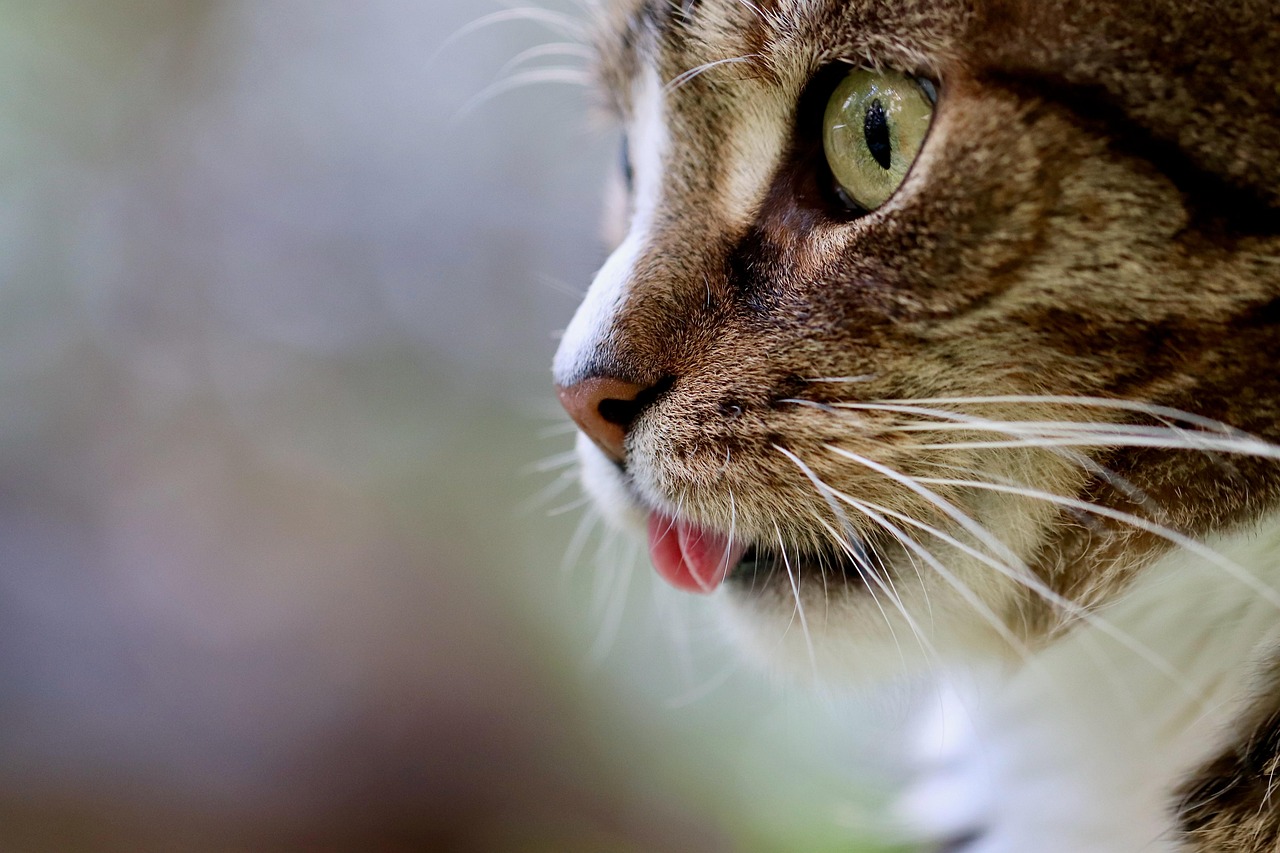

How Vitamins in Commercial Cat Food Support Your Cat’s Skin and Coat
Commercial cat food is often formulated with a variety of vitamins that play crucial roles in maintaining your cat’s skin health and coat shine. Key vitamins like A, E, and B-complex are included to provide the necessary nutrients for optimal skin function. Vitamin A is essential for cell growth, and a deficiency can lead to dry skin or infections. Additionally, Vitamin E is known as an antioxidant that helps to combat damage caused by free radicals. Furthermore, B-complex vitamins support overall cellular function and energy for maintaining healthy skin. When selecting cat food, it’s vital to choose brands that list these important vitamins among their ingredients. If your cat’s diet is lacking in these nutrients, you may notice excessive shedding, dull fur, or skin irritation. Therefore, consulting with your veterinarian regarding the best formula for your cat based on their age, health, and activity levels is also advisable. This ensures they receive the right balance of vitamins needed to support skin and coat health. Providing quality commercial cat food not only nourishes your pet but also contributes greatly to their overall well-being and happiness.
Aside from individual vitamins, commercial cat food often contains minerals and fatty acids that complement the vitamin content. Omega-3 and Omega-6 fatty acids are particularly important for fostering healthy skin and a shiny coat. These essential fatty acids help maintain the skin’s moisture barrier, making it more resistant to environmental stressors. Look for foods enriched with fish oil or flaxseed oil to ensure your cat benefits from these fats. Furthermore, minerals such as zinc and selenium are vital for promoting skin health and preventing coat issues. If these nutrients are lacking, you may notice skin irritations or allergies manifesting in your cat. A well-rounded diet that contains a balance of vitamins, minerals, and fatty acids can lead to noticeable improvements in your cat’s skin and coat condition. Another key point to consider is the sourcing of these vitamins. High-quality commercial cat foods tend to use better, bioavailable sources of vitamins, ensuring that your cat can absorb the nutrients effectively. Hence, always read the labels on cat food packaging to confirm the inclusion of crucial vitamins and healthy fats that contribute to your cat’s vibrant appearance.
The Role of Vitamins in Coat Condition
Vitamins play an inherent role in the health and appearance of your cat’s coat. A well-nourished coat is a sign of a healthy cat, reflecting internal health conditions. Vitamin B biotin, for example, is commonly associated with maintaining a soft, shiny coat and reducing shedding. If your cat’s fur appears coarse or lacks luster, it might indicate a deficiency in this vitamin. Adequate intake can help restore the coat’s natural allure. In addition, Vitamin D supports calcium metabolism and overall skin health; thus, a deficiency can manifest as skin problems. It’s important to ensure that your cat receives the appropriate servings of these vitamins throughout their life stages. A growing kitten may require different nutritional formulations than an adult cat. Moreover, senior cats often have different nutritional needs due to reduced metabolism. Therefore, choosing an age-appropriate cat food can significantly influence their skin and coat health positively. Consultation with a vet helps tailor the diet effectively, ensuring your furry friend enjoys a vibrant coat as a reflection of their well-being. A healthy coat contributes significantly to your cat’s confidence, making them feel good too.
While many commercial cat food options claim to support skin and coat health, it’s important to investigate the quality of these ingredients. Look for brands that prioritize whole food ingredients rather than fillers or artificial additives. High-quality proteins and a balanced ratio of macronutrients can contribute to better overall health. Proteins are essential, as they provide the building blocks for skin and fur regeneration. Ingredients such as quality meats, fish, and egg products are excellent sources of amino acids to aid in this process. As a responsible cat owner, you should also consider the balance of carbohydrates in your cat’s diet, as excessive carbohydrates can hide beneficial nutrients behind fillers. Furthermore, including a variety of vitamins in your cat’s diet not only aids in their skin and coat health but also strengthens their immune system. Vitamins also support the growth of new hair while repairing damaged follicles. Always be cautious when transitioning to new food, as sudden changes can upset your cat’s gut health. Gradually introducing a new food can help mitigate any adverse reactions while ensuring your cat receives the necessary nutrients for better skin and coat health over time.
Common Skin and Coat Issues in Cats
Cats can experience a range of skin and coat issues that may be attributed to nutritional deficiencies or underlying health problems. An itchy coat, flaky skin, or excessive shedding can indicate inadequate nutrition, often due to a lack of essential vitamins. Conditions like dermatitis and allergies may develop as a result of insufficient vitamins in their system. Regularly analyzing your cat’s food for proper vitamin content helps prevent these issues. Besides nutritional factors, external environmental influences, such as weather and allergens, can also contribute to skin distress. A strong immune system supported by adequate vitamins and minerals can play an important role in combating these common conditions. Supplements may also be beneficial in some cases when prescribed by your veterinarian. Always observe your cat’s behavior and grooming habits, as changes might indicate discomfort or irritation. Ensuring your cat gets sufficient fatty acids and moisture through their diet and water intake can significantly enhance their skin’s resilience against environmental stressors. Therefore, being attentive to your cat’s skin and coat condition allows you to take proactive steps in maintaining their overall health and prevents the likelihood of developing more serious skin-related issues.
Feeding your cat a high-quality commercial cat food rich in vitamins can greatly enhance their overall health. Many nutritious options are available, incorporating the vitamins necessary for maintaining skin and coat health. Always check the label for endorsements from veterinary approval or certifications showing that the food has gone through rigorous testing. This tells you that your chosen food meets quality standards essential for your cat’s health. Furthermore, introducing whole foods into your cat’s diet can also serve as a natural way to supplement their vitamin intake. Many pet owners consider incorporating fruits and vegetables suitable for cats, such as pumpkin or blueberries, which can introduce additional vitamins and help promote better digestion. Additionally, ensure to consult your veterinarian before making drastic dietary changes or introducing new supplements, as individual dietary requirements can vary widely. As a cat owner, environmental factors are just as important, including hygiene and living conditions. Maintaining cleanliness in your home and providing regular grooming can help in reducing the chances of developing skin issues. Healthy habits combined with a well-balanced diet can significantly boost your cat’s skin and coat health, thereby ensuring a happy and contented feline companion.
Concluding Thoughts on Cat Nutrition
To sum up, the role of vitamins in commercial cat food cannot be overstated when it comes to your feline’s skin and coat health. A balanced diet full of essential vitamins helps prevent a range of coat issues and keeps your cat feeling their best. Furthermore, ensuring that these vitamins come from high-quality sources enhances nutrient absorption and efficacy. A cat’s coat is often a reflection of its overall health, so prioritizing nutrition is vital. Regularly consulting with a veterinarian can ensure your pet receives suitable and balanced nutrition tailored to their needs as they age. Besides, owners should observe and evaluate their cat’s health regularly, adjusting their diet accordingly. Always keep tabs on any changes in fur texture, shedding patterns, and skin conditions, as these can indicate underlying nutritional needs. Quality cat food options today provide various benefits beyond just taste and are formulated to offer vital nutrients for maintaining a shiny coat and healthy skin. When making decisions regarding your pet’s diet, remember that nutrition is the foundation for a long, vibrant life filled with joy and companionship for both you and your beloved cat.
A final point to consider is the importance of hydration in maintaining your cat’s skin and coat health. Although not directly related to vitamins, hydration plays a crucial role in how well vitamins function in the body. Ensure your cat has access to clean, fresh water daily to support overall health. Dehydration can lead to dry skin and dull fur, negating the benefits of the vitamins in their diet. Cats can sometimes be picky drinkers, so consider using water fountains to encourage them to drink more often. These fountains can be appealing due to running water, which many cats prefer. Aside from ensuring hydration, offering wet food options can contribute to their overall water intake and complement the benefits of dry food. Striking the right balance between dry kibble and wet food is essential for flexible hydration levels. Therefore, by combining high-quality vitamins, proper hydration, and nutritious food choices, cat owners can look forward to seeing their pets top health. Caring for your cat’s skin and coat goes beyond feeding them; it encompasses providing a holistic approach to their well-being and happiness at home.