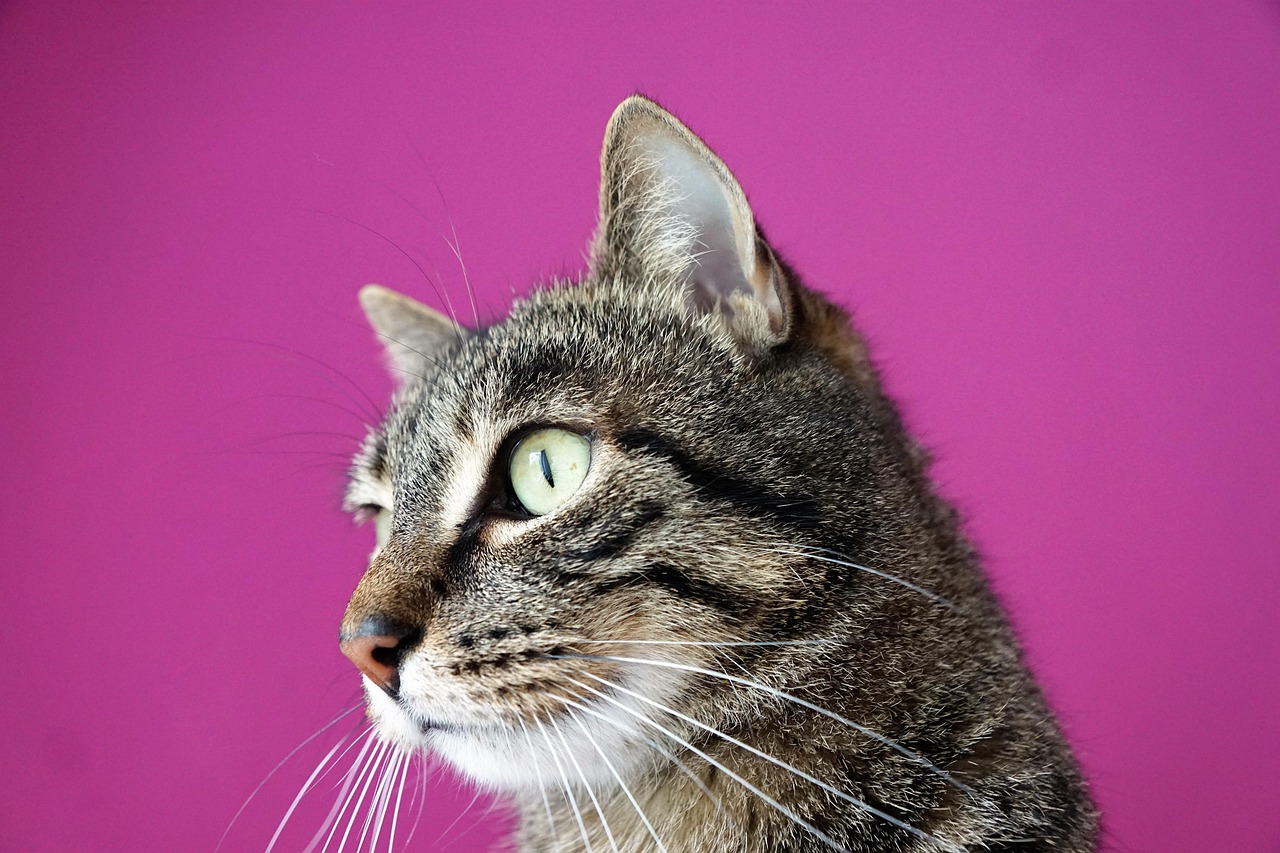

How to Recognize and Support Cats with Environmental Stress
Cats are creatures of habit and routine, and changes in their environments can lead to significant stress. Such changes may include moving to a new home, adopting new pets, or even rearranging furniture. It’s essential for cat owners to recognize the signs of environmental stress, which can manifest in various behaviors. Look out for symptoms like excessive vocalization, hiding, aggression, or changes in litter box habits. Ensuring that your cat feels comfortable and secure in its living space can help mitigate these stress responses. Establishing a designated area for your cat will provide them a safe haven. You can enhance this safe zone with their favorite toys and bedding. It’s also wise to maintain consistency in routines, such as feeding and playtimes, to help cats adjust better. You can also provide plenty of vertical spaces and hiding spots throughout the home. Creating a positive experience during transitions is crucial, as well as gradual introductions to new elements. Stay patient and supportive as your cat navigates these changes.
One effective method to reduce environmental stress in cats is to facilitate the gradual adaptation to new environments. When moving or introducing an unfamiliar situation, allow your cat to have a safe space to explore the new territory at their own pace. This new space can include their food bowls, litter box, and resting areas, maintaining familiarity. After ensuring that your cat is comfortable in this secure area, gradually allow them to explore more of the new environment. Monitor their behavior for signs of distress and allow them to retreat to their safe space as needed. Familiar scents can also help ease your cat’s stress; consider introducing items that contain their scent or the scent of their previous home. You should also use pheromone diffusers or sprays designed to calm anxious cats. These can help create a sense of safety. Moreover, keeping a consistent feeding schedule amidst the changes can provide an anchor in the uncertainty. Remember that patience is key – each cat adjusts differently, and some may require more time than others. Acknowledging their feelings is essential.
Understanding Environmental Stress in Cats
Environmental stress can dramatically affect a cat’s wellbeing and day-to-day behavior. Stressors such as loud noises, unfamiliar visitors, or even the scent of new animals can trigger anxiety. Understanding these stressors can help you create a calmer environment. Provide places for your cat to hide when feeling overwhelmed, allowing them to retreat when necessary. Incorporating calming music or pheromone products may ease their anxiety when facing stressful experiences. It is also vital to maintain a low-volume environment and limit sudden disruptions, like loud parties or construction noises, moving forward. It’s a good idea to develop routine opportunities for enrichment to help combat boredom, as this will foster a sense of stability in their surroundings. Interactive toys, scratching posts, and climbing trees can significantly contribute to alleviating stress. Also, regular playtime encourages physical activity while allowing mental engagement. Taking time to engage your cat in structured play can help them release pent-up energy positively. Being proactive about creating a nurturing environment not only reduces stress but also encourages healthy, happy behaviors in your cat.
Fatigue and lethargy can often be overlooked signs of environmental stress in cats, which can also lead to significant health concerns. Therefore, it is crucial to consider their overall habitat. Moreover, observe their eating and drinking habits regularly; changes can indicate stress. Stress may cause changes in appetite, which could lead to weight loss or obesity. Actively monitoring your cats’ weight can be incredibly useful in identifying concerns over time. Offering quality nutrition and maintaining regular vet check-ups can provide additional support. Another important aspect is social interaction; neglecting playtime or snuggles can further aggravate stress levels. Scheduling regular interaction can build trust and balance your cat’s emotional health. Ensure that you are spending time with your cat daily for bonding purposes. Sometimes, professional advice from a vet or animal behaviorist can provide insights into managing your cat’s stress effectively. Learn more by visiting educational platforms or attending workshops on cat behavior. Being aware and knowledgeable about environmental changes can promote an understanding of your specific cat’s needs, helping both of you to navigate this landscape comfortably.
Creating a Calm Environment
To create a calm environment for your cat, decluttering your living space is crucial. Cats can feel overwhelmed by too many toys, furniture, or other distractions. Allow your cat to have designated areas for eating, sleeping, and playing. It’s important to ensure that these areas are quiet and away from the hustle and bustle of your household routine. Clear pathways and reduce noise levels where possible. Adding soft, comfortable bedding in their dedicated spaces will encourage more relaxation. Additionally, consider the light levels in your home; too bright a space may cause stress, so enabling spots of shade can be beneficial. Integrating natural elements like indoor plants can positively influence the overall atmosphere, but ensure these plants are non-toxic and safe for cats! Adequate vertical spaces, such as cat shelves or towers, can provide cats with a greater sense of security, allowing them to observe their surroundings from a height while feeling safe. Ultimately, cultivating a serene environment requires observation, flexibility, and an understanding of your cat’s preferences.
Addressing environmental stress calls for patience and empathy from cat guardians. It is crucial to recognize that cats are experts at hiding discomfort, and subtle changes in behavior often reveal underlying stress. Always observe your cat’s behavior closely, taking notes on patterns and changes over time. When changes occur, take heed and act accordingly, whether that means adjusting their space, improving their diet, or consulting a professional. Engaging in regular stress-reducing activities, such as puzzle toys and interactive play, will actively promote mental stimulation. Training your cat using positive reinforcement techniques can also strengthen your bond while reducing their stress. Incorporating mindfulness practices for yourself can help, as your energy influences your cat’s state of mind. Remember that every cat is unique; what works for one might not work for another. Keep experimenting with different strategies to find what soothes your pet most effectively. As a result, managing environmental stress involves a blend of strategies and experiences tailored to each individual cat. Your attentive care can profoundly impact your cat’s adjustment to their surroundings and ultimately lead to a happier feline.
Conclusion: Support and Care
Supporting a cat experiencing environmental stress involves understanding their perspective while implementing suitable strategies that cater to their needs. Providing a safe environment, along with gradual introductions to new experiences, can greatly alleviate anxiety. Regular play can foster trust and strengthen your bond. Always prioritize your cat’s comfort; know their likes and dislikes deeply, allowing your interventions to be more effective. Monitoring your cat’s reactions to environmental changes is vital; this observation may encourage proactive adaptations instead of reactive ones. Learning about feline body language can also enrich your understanding of their feelings. Don’t hesitate to seek professional help when you notice persistent stress signs. Utilizing resources like books, webinars, or consultations with veterinarians can bring clarity and solutions. In conclusion, reducing environmental stress is a shared journey that requires patience, understanding, and effort on your part. By keenly observing your cat, creating a nurturing environment, and being adaptable, you can support your furry friend through the challenges that accompany changes, enriching their lives and improving their wellbeing.