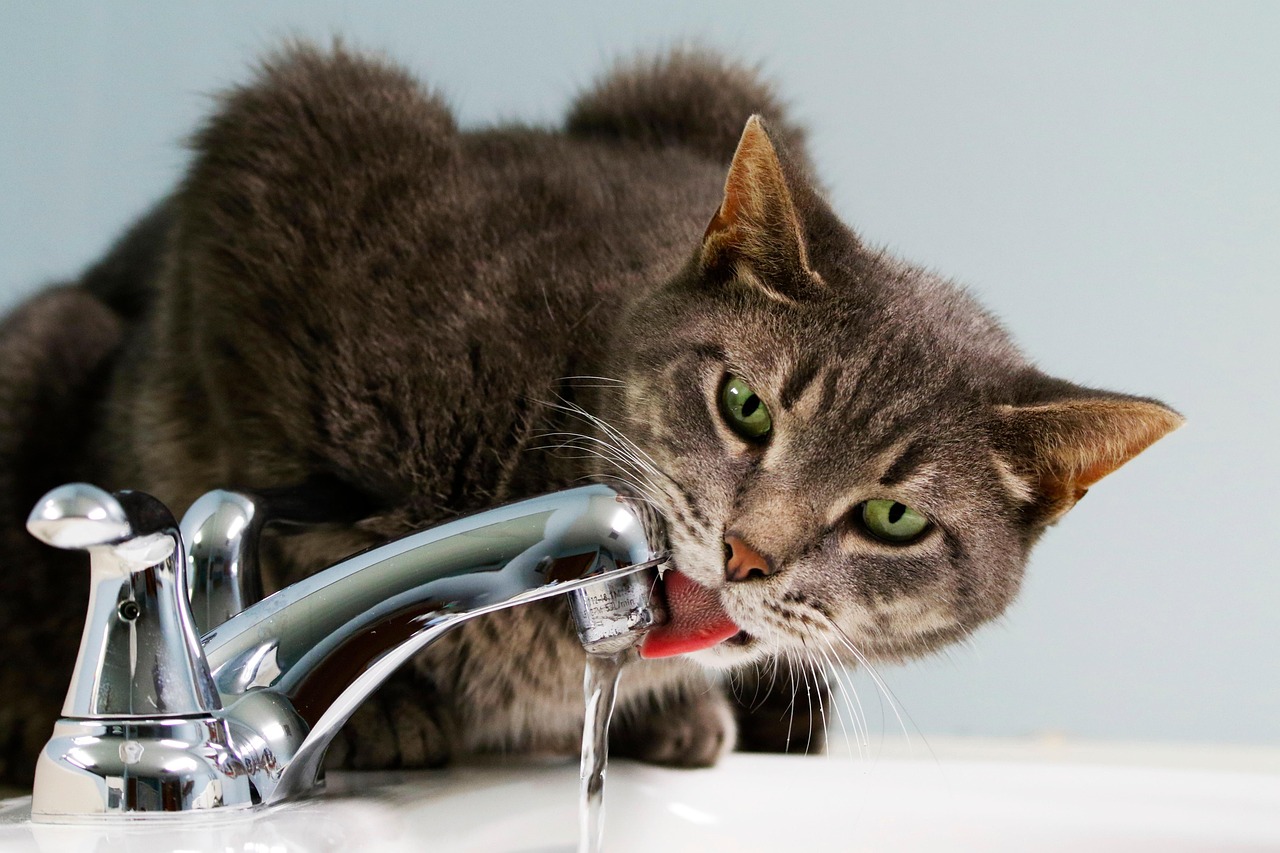

How to Encourage Your Cat to Drink More Water
Ensuring that your cat drinks enough water is vital for their overall health and well-being. Cats are notorious for being finicky drinkers, often consuming less water than they need. One effective way to encourage hydration is by providing fresh, clean water in multiple locations around the house. Cats can be sensitive to odors and flavors, so using stainless steel or glass bowls can be beneficial. It’s also crucial to change the water daily to keep it appealing. Besides, consider placing water bowls in quiet, low-traffic areas, as cats prefer to drink in peace. Additionally, you can try offering filtered or running water, as many cats enjoy drinking from sources that flow. This can be achieved using pet water fountains designed to keep water flowing. Incorporating wet cat food into their diet can also significantly increase their overall moisture intake. Look for high-quality canned food with a high moisture content. This not only helps with hydration but also enriches their diet. Remember to monitor your cat’s drinking habits and consult with a veterinarian if you notice any drastic changes.
Another way to promote drinking is to enhance the water’s taste. Adding a splash of low-sodium chicken broth to the water can make it more palatable for picky drinkers. Many cats are drawn to the enticing aroma of broth, which may encourage them to drink more often. However, it’s essential to ensure that whatever you add is safe for cats, avoiding any harmful ingredients. Additionally, you can consider ice cubes made from low-sodium broth or even freeze small treats in water. This can create a fun and interactive way for your cat to enjoy drinking. Some cats might be more motivated to drink if they have something entertaining involved. Moreover, try placing a few catnip leaves near their water bowl; the scent can encourage cats to investigate and may entice them to drink. Always keep in mind the importance of hydration, particularly in warmer climates or when cats are active. Older cats or those with specific health conditions may require additional attention to their water intake. Ensuring easy access to fresh water sources can help prevent issues like urinary tract problems.
Understanding Your Cat’s Preferences
Every cat has its unique preferences regarding food and water, which can influence their drinking habits. Understanding these preferences is key to providing options that encourage hydration. For example, some cats prefer specific bowl shapes or sizes. Testing various types—like shallow bowls versus deeper ones—can provide insights into your cat’s comfort when drinking. Observe if your cat shows a preference for drinking from certain locations, such as the sink or bathtub; sometimes, replicating these environments can stimulate them. Another crucial aspect is the water temperature. While many cats prefer fresh, cool water, some might enjoy it at room temperature. Being attentive to their reactions can guide you in finding the optimal setup. Additionally, be mindful of any changes in their drinking behavior, especially if they appear to be drinking less than usual. This could indicate underlying health issues that may require veterinary intervention. If dehydration becomes a concern, your veterinarian can suggest additional strategies tailored to your cat’s specific needs. Always prioritize their health and comfort to maintain adequate hydration.
Offering various types of water sources can pique your cat’s interest. While traditional water bowls have their merits, alternatives like pet water fountains can motivate many cats to drink more. Cats are naturally attracted to moving water as it mimics natural sources, and many fountains come with features that allow for flowing water. Be sure to choose one that is easy to clean, as hygiene is vital for encouraging drinking. Additionally, consider introducing multiple water stations around your home. This way, your cat has multiple opportunities to drink, possibly increasing their intake. Experimenting with outdoor water sources can also be beneficial if your cat is comfortable. For instance, placing a bowl outside during warm days can encourage drinking during playtime in the yard. It’s crucial to supervise their outdoor activities, ensuring they remain safe and hydrated. Also, remember to ensure any outdoor water source is free from pollutants or contaminants. Regularly replace the water and clean the containers to maintain freshness and hygiene. Ultimately, the goal is to meet your cat’s hydration needs effectively.
Monitoring Cat’s Hydration
Investing in quality monitoring tools can enrich your efforts to ensure your cat stays hydrated. There are water bowls with built-in indicators that show the water level. These can provide critical insights into how much your cat drinks daily. Keeping a close eye on their habits helps you assess whether your strategies are working or if changes are necessary. If you’re concerned about how much your cat is drinking, keep a journal for tracking any variations in their daily water intake. Documenting this daily can reveal trends or red flags that might require a talk with your veterinarian. Also, watch for signs of dehydration, such as dry gums or lethargy. Keeping your veterinarian informed about your cat’s drinking behavior can help address any potential health risks early. Being proactive about hydration means creating an environment that encourages drinking while also addressing any underlying health conditions that may limit their desire to drink. Building these habits cultivates a positive routine that prioritizes their well-being. Remember, hydration is part of the foundation for a happy and healthy cat.
Incorporating playtime as part of a hydration strategy can be incredibly effective. Engaging your cat in interactive play can naturally lead to increased thirst, as they may seek water after exertion. Using fishing pole toys or laser pointers can encourage them to run around, after which you can lure them to their water bowl. Additionally, consider sprinkling playful moments near their water stations to create positive associations. This can transform drinking from an obligatory task into a rewarding experience. You might also celebrate drinking by giving treats, combining positive reinforcement with hydration. The more fun your cat associates with drinking, the more likely they are to hydrate. Additionally, engaging their curiosity can lead to them exploring their environment, which may include investigating water sources. Visual stimulation around their drinking areas can enhance this effect. Finally, it’s essential to maintain a consistent routine where water availability aligns with their daily activities. Regularly taking note of your cat’s behavior during these playful moments can give you better insights into how to adapt your strategies for enhancing hydration.
Conclusion and Final Tips
In conclusion, keeping your cat hydrated is a fundamental aspect of their health that should not be overlooked. Implementing a mix of strategies tailored to your cat’s personality and preferences can significantly increase their water intake. Regularly monitoring and adjusting their hydration routine can create a comfortable environment for them. Always remember that hydration is closely tied to their overall well-being, affecting everything from kidney function to urinary health. If you’re ever in doubt regarding their drinking habits, discussing these concerns with a veterinarian can provide clarity and guidance. Keep the engagement high by incorporating playful moments associated with drinking, such as using toys or incentives to draw attention to their water sources. Combining proper nutrition, monitoring, and creative solutions will lead to a broader strategy that fosters hydration. Giving your cat fresh, clean water at the right moments and in sufficient quantities can greatly affect their happiness and health. Stay attentive and observant, adapting your methods as your cat’s needs change over time. A well-hydrated cat is sure to be a healthier, happier companion to you.
Incorporating all of these aspects thoughtfully into your routine will inevitably nurture your cat’s hydration habits over the months. Remember to be patient; changes may not happen overnight. Providing options along with encouraging behaviors will gradually instill a desire for your cat to drink more water. Be proactive and responsive to their preferences in order to yield the best results long-term. Hydration truly plays a pivotal role in ensuring your feline friend remains healthy, active, and vibrant throughout their life. Never underestimate the power of a well-sustained hydration routine in your cat’s life, as it reflects their overall quality of health and happiness.