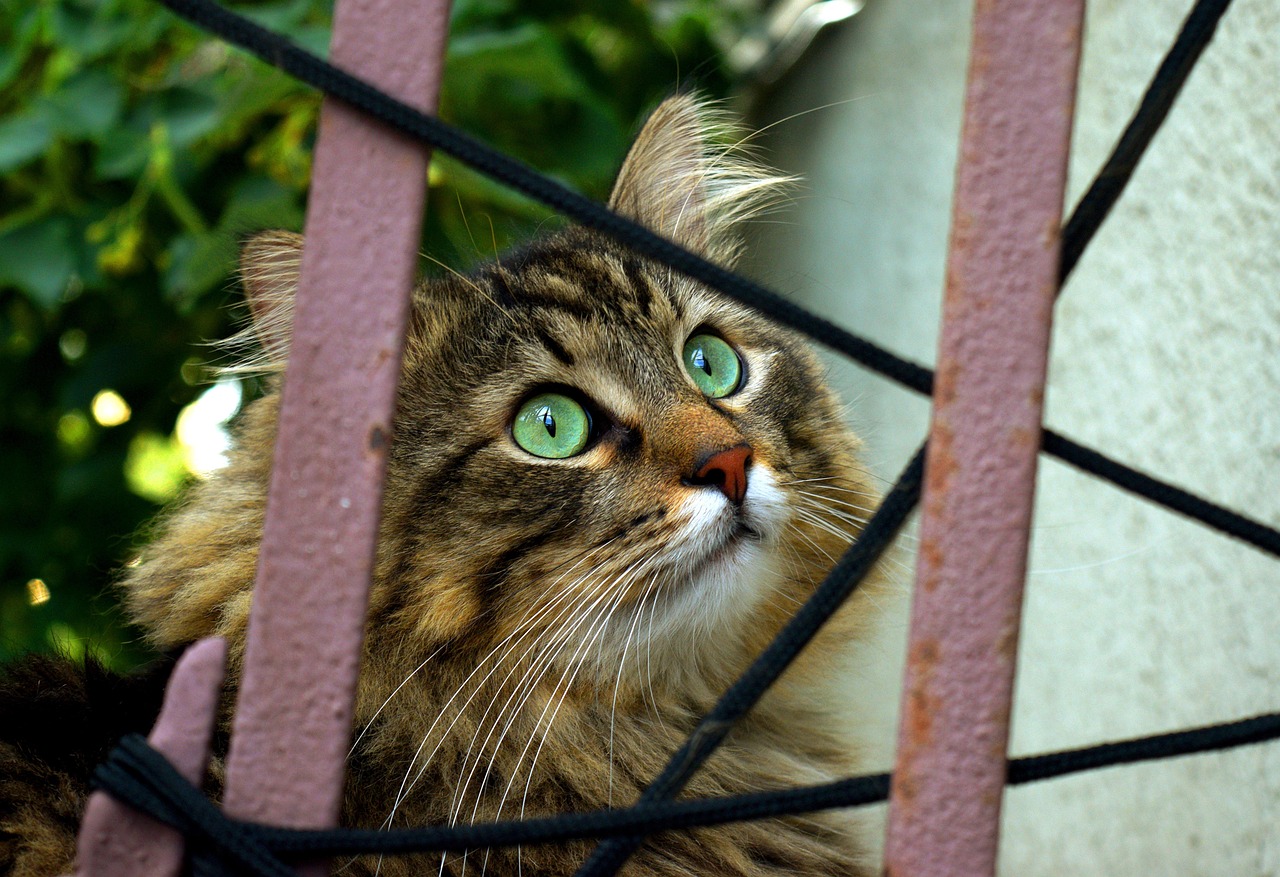

How to Choose the Best Outdoor Cat Shelter for Your Feline Friend
Choosing the right outdoor cat shelter is crucial for your feline friend’s well-being. First, consider the weather conditions in your area. A shelter should provide ample protection against rain, wind, and snow. Look for structures that are insulated and waterproof, preferably made from durable materials like wood or heavy-duty plastic. If you’re in a warm climate, ensure proper ventilation to prevent overheating. Next, consider the size of the shelter. It should be spacious enough for your cat to move around comfortably, but not too large, as smaller spaces retain heat better. Additionally, the entrance should be small enough to keep out harsh weather while allowing the cat easy access. Think about the location of the shelter too. Position it in a safe area away from predators and high traffic. If possible, elevate the shelter a bit off the ground to avoid water pooling around it. Finally, add some cozy bedding to make the space inviting. For more tips on outdoor cat housing, check this resource to ensure your feline stays safe and warm.
Another important aspect to consider is the design of the outdoor cat shelter. Opt for a design that allows for easy access for cleaning. Some shelters come with removable roofs or front panels, making maintenance simple and efficient. You can also use a shelter with multiple compartments, providing separate areas for feeding and sleeping. This can help keep the food clean and fresh. Additionally, consider incorporating a raised platform or perch within the shelter for your cat to observe their surroundings. Cats love to perch high, as it allows them to feel safe and secure while watching over their territory. Safety features should also be at the forefront of your mind. Check that the materials are non-toxic and the construction is solid. Avoid sharp edges that could harm your pet. You might want to think about adding natural scents, like catnip, to entice your feline friend to the shelter. Remember that indoor cats have different needs than outdoor ones. Adjust your preferences accordingly to suit your cat’s unique habits. For cat shelter DIY options, you can explore Instructables for creative ideas.
Consider the insulation of the outdoor cat shelter for encouraging your cat to find refuge inside. The right insulation helps maintain a comfortable temperature regardless of the season, crucial for outdoor settings. For cold climates, look for shelters with insulated walls and floors, using materials like Styrofoam or thermal linings that trap heat efficiently. Raised floors can prevent chill from the ground and should be incorporated. In hotter climates, utilize reflective materials on the exterior to redirect sunlight and maintain a cooler interior. Additionally, you can check for weatherproofing seals on doors and seams to ensure wind resistance. Adding straw or blankets can be a good alternative for bedding, providing warmth and comfort. Check for the shelter’s accessibility for the cat during both summer and winter conditions. Having a shelter that allows easy in-and-out movement will encourage your cat to use it. Moreover, place the shelter in a quieter part of the yard, away from distractions. Ensure the access point does not face directly into harsh winds or excessive sunlight. For more information on outdoor cat shelters, you can read on platforms specializing in animal care.
Choosing the Right Location
Finding a suitable location for your outdoor cat shelter is key to its success. Cats are instinctively cautious animals that prefer security and shelter from potential dangers. Position the shelter against a wall or fence for additional protection from the elements. Ideally, the shelter should be situated in a quiet corner of the yard. This allows cats to feel safe while they rest or play outside. Additionally, avoid high traffic areas where disturbances can occur. Ensuring that the shelter is hidden from view may also make it less attractive to predators. It is also essential to provide adequate access to the interior of the shelter so that your cat can easily enter and exit. You may want to place the shelter near shrubs or greenery. The natural coverage can add security and warmth while giving your cat the chance to explore. Surfaces like gravel or concrete work best beneath the shelter. This prevents mud accumulation and keeps the shelter clean. Consider incorporating extra protection, such as fencing or bushes, around the shelter site to discourage unwanted animals from approaching, thus enhancing your cat’s safety.
When selecting an outdoor cat shelter, another factor to consider is aesthetics and blending with the landscape. A visually appealing shelter can enhance your outdoor environment while providing the necessary safety features for your cat. Some options include charming wooden huts, stylish igloo-shaped houses, or even converted doghouses. Choose colors that complement your home or garden to create a cohesive look. However, remember to prioritize functionality over style. The shelter should be durable and built to withstand various weather conditions. You can personalize the shelter further by adding a small sign or decorative element to make it your own. Adding some plants or decorative stones around the shelter can enhance its aesthetic appeal, creating a welcoming environment for your cat. Moreover, adding small touches, like a cozy blanket or a few toys inside, may help your cat feel more at home. The goal is to merge safety with style, ensuring that it provides adequate protection without compromising on beauty. This thoughtful approach can enhance the overall sanctuary feel of the space where your beloved feline seeks comfort.
Maintaining Your Outdoor Shelter
To ensure your outdoor cat shelter remains a safe haven, regular maintenance is vital. A clean shelter prevents the buildup of mold, pests, and unpleasant odors. Start by removing bedding and cleaning surfaces with pet-safe disinfectants. Ensure that no debris accumulates around the shelter, as this can create a breeding ground for insects and other animals. Replace worn-out bedding regularly to keep the interior comfortable and inviting for your cat. Inspect the exterior regularly for any signs of wear and damage from the elements, such as rotting wood or cracked plastics. Proper insulation must be checked seasonally to maintain a comfortable temperature inside the shelter. Ensure ventilation remains unobstructed to prevent moisture buildup. Keep an emergency couple of tools handy for repairs. Additionally, monitor your cat’s behavior; if they avoid the shelter, it may require adjustments. A well-maintained shelter not only supports your cat’s safety but also enhances their overall experience outdoors. Share tips with other cat owners about improving their shelters, and build a community focused on providing quality care for outdoor cats.
Another aspect of integrating an outdoor cat shelter into your routine is to monitor the inhabitants of your cat’s environment. Ensuring your shelter is secure implies keeping an eye on nearby wildlife and potential threats, such as dogs or other feline predators. If you notice a sudden decrease in your cat’s visits to the shelter, investigate possible causes. Cats can be sensitive to environmental changes; factors such as new pets in the neighborhood may deter them. Also, ensure food and water are always available inside or near the shelter. This can encourage your cat to return and spend time in their outdoor haven. Consider installing a motion-sensor light nearby, especially for nighttime visibility, making the area feel safer for your cat. Pay attention to weather changes, as a sudden storm can increase your cat’s dependency on the shelter. Increasing awareness of the surrounding environment can help you respond swiftly to any issues your cat may face. Fostering a secure outdoor space ultimately ensures that your feline friend thrives and enjoys their time outdoors, giving you peace of mind regarding their safety.
In conclusion, making the right choices when it comes to outdoor cat shelters is essential for the well-being of your feline friend. By considering factors like design, insulation, location, and maintenance, you can provide a safe and comfortable environment for them. Investing time and resources into creating or selecting an optimal shelter will ensure your cat’s happiness. The goal is to give your cat a sanctuary that is not only functional but also inviting. Remember that every cat is unique, so tailor your choices to suit their individual preferences and behaviors. As you embark on this journey, share your experiences with other cat parents and build a supportive community. Lastly, keeping up with the latest information on outdoor cat care can significantly improve your approach to building a loving and safe environment. Delve into online resources, engage with fellow cat enthusiasts, and enjoy discovering more about enhancing outdoor feline life. By following these guidelines, you can create a world where your cat feels at home while enjoying the beauty of the great outdoors.