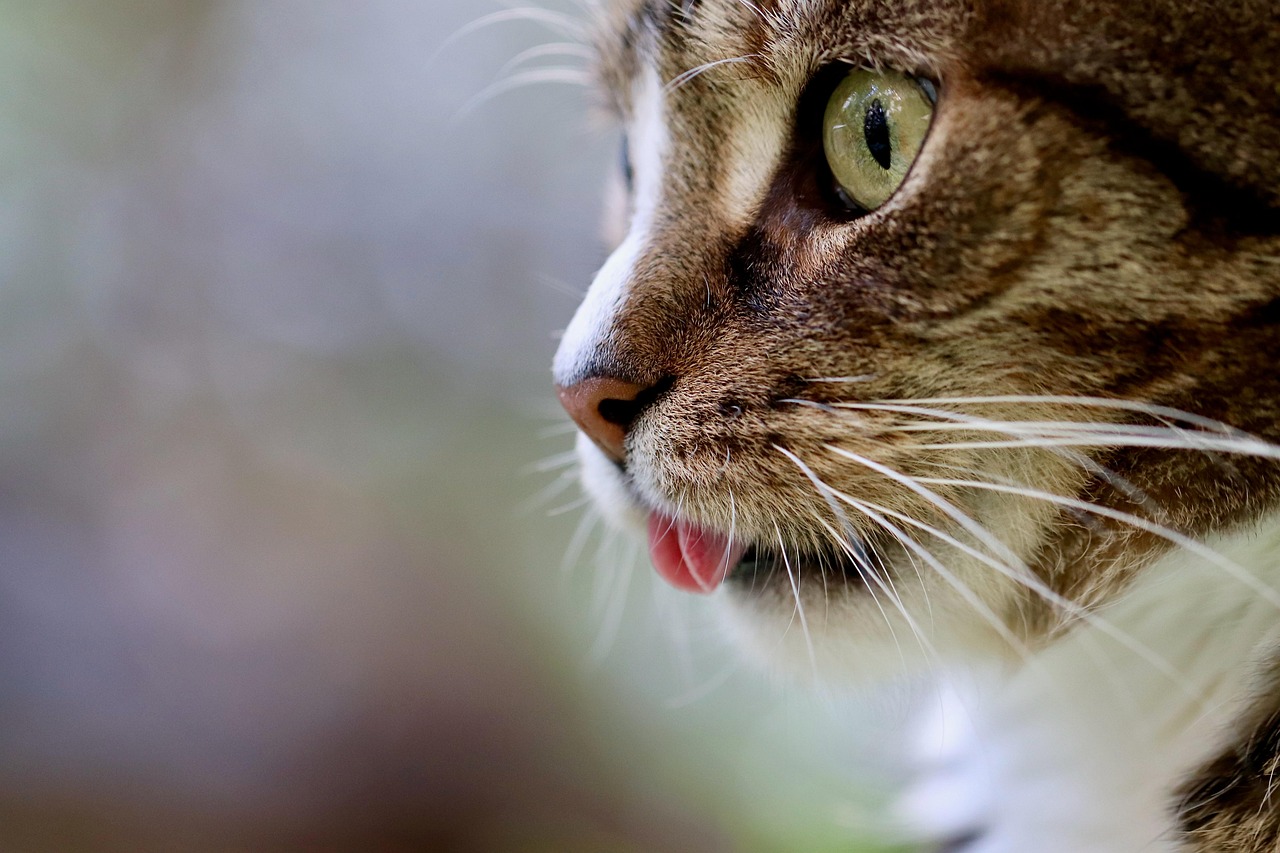

How to Prepare Your Cat for a Safe Journey
Traveling with your cat requires careful planning to ensure their safety and comfort. Start by understanding your cat’s temperament; some cats are more adaptable than others. Research whether your cat is better suited for a car ride or an airplane journey. Car travel generally allows for frequent breaks, while flying can be more stressful due to noise and confinement. Additionally, make sure your cat is familiar with their carrier well in advance of the trip. Allow them to explore it, creating positive associations. This can help reduce anxiety once travel time arrives. Ensure that you have all necessary supplies such as food, water, and a leash. It is also important to carry a first aid kit in case of any emergencies on the road. Moreover, consult your veterinarian to discuss travel health tips or any medication that can assist in easing potential travel anxiety. Your vet can also advise on specific vaccinations or health clearances required based on your travel destinations. To summarize, planning and preparation will contribute to a much smoother journey for both you and your feline companion.
Another crucial aspect of traveling with your cat is identifying adequate accommodations. Before booking any lodging, ensure they are pet-friendly and understand their policies regarding cats. Many hotels and rentals charge extra fees or may even have restrictions regarding the size or breed of pets. Always check guest reviews and photos of these places when possible. Prior to departure, it is helpful to have your cat’s favorite items on hand, such as a blanket or toy, to make them feel more at home in new surroundings. Whether you’re staying in a hotel, camping, or visiting friends, maintaining a familiar atmosphere will reduce stress for your cat. It’s also essential to look into local veterinary services near your temporary location in case of emergencies. Knowing where to find help can provide peace of mind while you’re away from home. Remember to keep vaccinations up-to-date, as many establishments may require proof of vaccination. In summary, thorough research on your accommodations will lead to a safer and more enjoyable trip for you and your furry friend.
Safety Equipment for Your Cat
Another important preparation step is to have the right safety equipment for your cat during travel. Having a secure and comfortable carrier is essential for any journey, whether by car or plane. Choose a well-ventilated carrier that is large enough for your cat to stand, turn around, and lie down comfortably. Don’t forget to include familiarity by placing their favorite blanket or toy inside. It’s also advisable to add identification to your cat, including a collar with a tag containing your contact information, in case they escape. Additionally, consider microchipping your pet as a more permanent solution for identification. Often overlooked, a GPS tracker can also be useful, especially for active cats prone to wandering off. Harnesses and leashes are excellent for stopping at roadside breaks, allowing your cat to stretch or use the litter box safely. If you’re traveling by air, ensure that your carrier meets airline standards. Ultimately, having all the necessary safety equipment will provide both you and your cat peace of mind along your journey. Making adequate preparations will significantly enhance their travel experience.
Understanding your cat’s behavior during travel is also crucial for their overall comfort and safety. Cats can react unpredictably under stressful conditions, including new sounds and movements during transportation. It’s helpful to observe their body language; signs of stress may include excessive meowing, panting, or hiding. If your cat exhibits any signs of anxiety, try to calmly reassure them, speaking in gentle tones. On the other hand, if your cat becomes overly agitated, consider taking a break to allow them to relax before continuing your journey. Plan for frequent stops along the way if you’re traveling by car to check in on your pet’s well-being. It’s typically advisable to avoid feeding your cat immediately before travel to reduce the likelihood of motion sickness. Instead, serve them a light meal several hours before your departure. In the event of motion sickness, discuss potential remedies with your veterinarian, including medications. Remember that every cat is unique; what works for one may not work for another, so adapt strategies to fit your pet’s specific needs for a safe journey.
Timing and Scheduling
Efficient time management can significantly smooth out the travel experience. Try to schedule the journey during your cat’s natural downtime, perhaps mid-afternoon or early evening, when they are likely to be more relaxed and sleepy. Avoid peak travel seasons or busy holidays when road traffic and crowds at airports can add stress to your journey. This includes strategically choosing non-stop flights if available, as layovers can increase the duration of stress. Prior to travel, give your cat a significant amount of playtime, which can help to release pent-up energy. A tired cat is generally a calmer cat. Don’t forget to keep your travel documents handy, ensuring you have any required veterinary records, identification, and other necessary paperwork. Being prepared with comprehensive documentation will eliminate headaches upon reaching your destination or accommodations. Remember to have a flexible schedule; unforeseen delays can happen, especially during long trips. Overall, careful planning around timing and scheduling can alleviate anxiety for you and your feline companion.
As you prepare for the journey, don’t miss out on securing your cat’s comfort during the trip. One key factor is to maintain their normal routine as closely as possible. If your cat is used to being fed at specific times or having playtime, try your best to stick to that schedule even while traveling. Pack their regular dietary food and try to keep meal times consistent. Having their food and water dishes available during travel can make it easier for them to eat or drink when they need to. If you plan to offer treats, consider doing so sparingly, as changes in diet can upset your cat’s stomach. Another helpful tip is to include their litter box in your itinerary. Portable, easy-to-clean litter boxes are available and should be kept within reach during the trip. This will help ensure that your cat has a familiar spot to relieve themselves, reducing potential stress or accidents inside the vehicle. By keeping your cat as comfortable as possible, you provide them with a more positive travel experience overall. Thoughtful considerations can transform your trip into a less stressful adventure.
Post-Travel Care for Cats
After arriving at your destination, pay attention to your cat’s behavior as they acclimate to their new surroundings. Cats may exhibit signs of stress or anxiety right after the journey, so it’s essential to give them time to settle in peacefully. Designate a quiet area in your accommodation filled with familiar items such as their toys or bedding. Allow them to explore this space at their own pace rather than pushing them to explore the whole area. Make sure that food and water are readily available nearby, as this will encourage them to eat and drink, increasing their comfort level. If your cat becomes overly shy or hesitant, reassure them with gentle pets and soft tones to create a sense of safety. Gradually introduce them to other areas of your temporary home to avoid overwhelming them. In addition to monitoring their behavior, keep an eye on their eating, drinking, and litter box habits for any changes. Paying attention to their needs will facilitate a smoother adjustment period post-travel, ensuring that they feel secure and comfortable in their new environment.
In conclusion, ensuring a safe journey for your cat demands thorough planning and consideration in various aspects. Begin by knowing your cat’s temperament and familiarity with travel. Be prepared with the necessary supplies, including safety equipment and food, to facilitate a smoother experience. Booking pet-friendly accommodations ensures your cat feels comfortable upon arrival. Understanding their behavior and needs during travel can significantly enhance safety and comfort. Timing and scheduling your journey appropriately can further alleviate stress. Moreover, don’t overlook post-travel care, which is just as critical for helping your cat adjust to new environments. Always consult your veterinarian for tailored advice that best suits your cat’s specific needs. Lastly, remember to cherish the experience of traveling with your feline companion; these adventures can foster stronger bonds and memories between you and your furry friend. By following these guidelines, you can transform your travel experience into an enjoyable adventure, not just for you but for your beloved cat as well. Ultimately, every thoughtful step contributes significantly to ensuring their well-being throughout the journey.