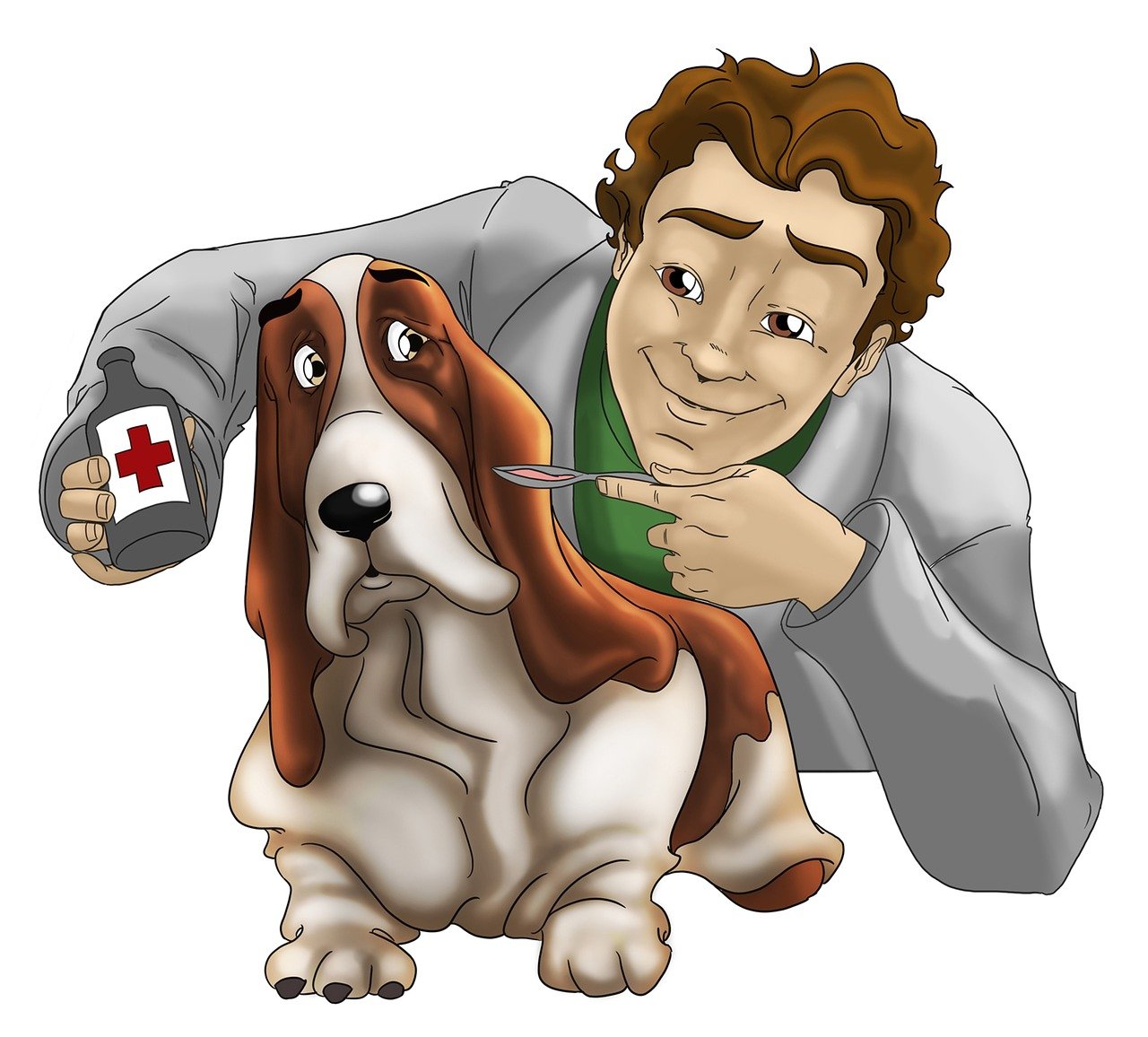

Tips for Building a Long-Term Relationship with Your Senior Dog’s Vet
Choosing the right veterinarian for your senior dog is one of the most important decisions you can make as a responsible pet owner. Senior dogs have unique health requirements that may change significantly as they age. This means having a veterinarian who understands these needs is crucial. Begin by researching local veterinary practices that specialize in geriatric care. Check online reviews and ask fellow pet owners for recommendations. Look for veterinarians who have additional training in geriatric medicine or who participate in continuing education on senior pet care. Don’t hesitate to visit different clinics to gauge the environment and staff’s approach. It’s essential to choose a vet who prioritizes not only medical expertise but also compassion and patience. Consider scheduling a consultation to discuss your dog’s specific needs. The more familiar the vet is with your dog’s health history, the better they can provide services tailored for your beloved pet. Make sure the clinic uses modern equipment and offers comprehensive services, including dental care, nutrition counseling, and behavioral training, ensuring your dog’s holistic health.
Developing a strong relationship with your senior dog’s veterinarian is not just beneficial; it’s paramount for ensuring your furry friend’s health and well-being. Once you’ve selected a vet, communication becomes essential. Regularly provide updates regarding any changes in your dog’s health, behavior, or diet. This dialogue helps the veterinarian develop a clearer understanding of your pet’s unique needs. Be proactive about scheduling regular check-ups; these visits are critical for early detection of potential issues that can arise in older dogs. During these visits, bring along any relevant documents, such as previous medical records or detailed logs of medications. Ensure that you’re open to discussing any concerns you may have, no matter how trivial they may seem. Your dog’s vet should be approachable and responsive to your queries. Make each vet visit a team effort, involving all family members who share responsibility. This collaborative approach not only strengthens the bond with your veterinarian but also fosters a supportive environment for your senior dog. Building a lasting association will lead to the most effective care and comfort for your cherished pet as they age.
Understanding the treatment plan provided by your veterinarian is crucial when caring for senior dogs. Senior pets often face complex health issues that can require intricate medical interventions. Ask your vet to explain any diagnosis, treatment options, and expected outcomes. This helps you make informed decisions while ensuring you are fully aware of your dog’s care process. If your dog has a chronic condition, be sure to educate yourself about it, as well. Your vet can recommend resources and answer any questions that arise. Keep an eye out for changes in your dog’s condition and discuss these with your vet at every visit. Adherence to prescribed treatments and medications is vital for the well-being of senior dogs. Always provide your veterinarian with updates on how your pet is responding to the ongoing treatments. Make it a point to clarify the relationships between medications and any potential side effects that need monitoring. Understanding these aspects of senior dog care empowers you to advocate effectively for your dog’s health. This vigilance ensures that your beloved senior pet enjoys their golden years comfortably and joyfully.
Importance of Nutritional Guidance
Nutrition plays a key role in the overall health and longevity of your senior dog. A well-balanced diet tailored to your pet’s unique needs can prevent various health issues, from obesity to arthritis. Consult with your veterinarian to determine the right type of food based on your dog’s weight, activity level, and health conditions. Senior dogs may require special formulations that are softer, easier to digest, and fortified with vitamins and minerals vital for their age. Ensure that your dog remains hydrated as well; water intake is crucial for kidneys and overall metabolism, especially in older animals. Be mindful of how diet impacts factors such as energy levels and digestion. Regular discussions with your vet about your dog’s nutritional needs are essential. Keep a record of what your dog eats and how they respond to different foods. Adjustments might be necessary as your pet ages. Additionally, explore supplements recommended for senior dogs, as these can often support joint health and cognitive functions. A proper diet encourages a healthier lifestyle and can enrich your dog’s quality of life significantly.
Monitoring your senior dog’s weight and exercise routine is vital to their health and longevity. Older dogs are prone to obesity, which can exacerbate existing health conditions and decrease mobility. Work with your veterinarian to develop a tailored exercise plan that accommodates your dog’s physical capabilities. This plan should include regular short walks, gentle playtime, and potentially joint-friendly exercises such as swimming. Consistency is key, but be prepared to adapt the activities based on your dog’s response over time. Take note of any signs of fatigue or discomfort, and consult your vet if you have concerns. Also, consider involving your vet in weigh-ins, helping you keep track of your dog’s weight on a consistent basis. Regular weigh-ins can allow for timely adjustments to their diet and exercise schedule. Building an exercise routine also enhances the bond between you and your dog. Engaging in activities together not only keeps your pet active but offers mental stimulation. Through exercise and healthy weight management, you will help your senior dog thrive and maintain a vibrant quality of life.
Grooming and Dental Care
Grooming is often overlooked, yet it is an essential aspect of caring for your senior dog. Regular grooming helps keep your pet’s coat healthy and free from mats, while also allowing you to examine their skin for unusual bumps or irritations. Additionally, it can help you notice any signs of discomfort or pain during grooming sessions, prompting a visit to the vet if necessary. Older dogs may require more frequent grooming due to age-related changes in their coat. Prioritize dental care as well. Many senior dogs suffer from dental problems that can lead to pain and impact overall health. Thus, discuss with your veterinarian about appropriate dental care routines, which may include professional cleanings and at-home dental care options. Regularly brushing your dog’s teeth can help keep plaque and tartar at bay. There are various dental treats and chews available that also support dental health. Your veterinarian can recommend products suited for older dogs. Through proper grooming and dental care, you’ll contribute significantly to your senior dog’s quality of life, allowing them to enjoy their later years comfortably.
Finally, ensure you are arriving prepared for each veterinarian visit with your senior dog. Maintain a journal or organized file containing a comprehensive history of your dog’s health, including past illnesses, treatments, and any changes you note in behavior or health. Have a list of questions ready to ask your vet regarding your dog’s care. This not only adds value to the appointment but helps deepen the communication between you and the veterinarian. Better communication contributes to a more personalized healthcare approach for your senior dog. Follow-up visits should also be treated with similar diligence; assess progress and note any changes or reactions to treatments. If specialized care is necessary, your primary vet can guide you to qualified specialists. Always be an advocate for your senior dog’s health, asking questions and seeking clarifications whenever necessary. Taking an active role in your dog’s healthcare can prevent confusion down the road and ensure that they get the best possible care. Your commitment to a strong partnership with your veterinarian will ultimately provide your beloved senior dog with the comprehensive care they deserve.