
Essential Tools and Equipment for Training Special Needs Dogs
Training special needs dogs requires a unique set of tools and equipment tailored to address their specific challenges. First and foremost, you should start with a comfortable and safe collar and leash designed for their size and needs. Positive reinforcement tools, such as clickers or treat pouches, are also vital in encouraging good behavior. The use of a clicker allows for immediate feedback, which can greatly aid in communication with dogs that may have hearing or visual impairments. Additionally, harnesses can be an excellent choice for dogs with balance issues, as they provide more control and support. Moreover, training mats can serve as a safe, comfortable, and defined space for dogs during training sessions. Lastly, be sure to include sensory toys and interactive games tailored to your dog’s abilities, stimulating their minds and making training sessions more enjoyable. Selecting the right equipment will not only aid in effective training but also strengthen the bond shared between you and your special needs dog, ensuring a supportive environment that fosters learning and progress.
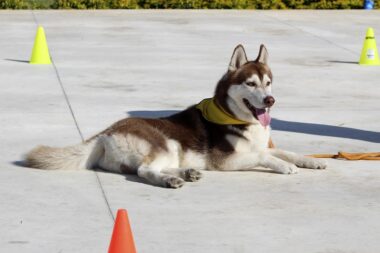
Another important tool in training special needs dogs is adaptive training equipment. This includes items like weighted vests, which can help calm anxious dogs and provide proprioceptive feedback. Additionally, specialized training aids, such as visual cues or scent markers, can be immensely helpful. For example, using brightly colored cones or flags can help visually impaired dogs navigate training environments more easily. Similarly, scent trails can guide those who rely on their sense of smell for direction. Implementing these aids encourages independence, making the dog feel more secure and confident in their training. Providing consistent exposure to various stimuli through structured environments can help improve focus and reduce sensitivity to distractions. Further, consider providing aids that cater to mobility issues, like ramps or soft barriers, creating an accessible space for training. It’s essential to customize these tools based on the dog’s individual needs and limitations. Training special needs dogs requires creativity and adaptability, so keeping an open mind and being patient is vital during the process, ensuring that the training is a harmonious and constructive experience for both dog and trainer.
Technology in Dog Training
In today’s digital age, technology plays a significant role in training special needs dogs. Training apps can provide valuable resources and tracking capabilities that assist in monitoring the dog’s progress and behavior. Furthermore, some apps include instructional videos, which can be beneficial for visual learners. Wearable technology, such as GPS collars, can also be lifesavers, particularly for dogs prone to wandering. These devices offer peace of mind by allowing owners to track their dog’s location in real-time. Many of these collars come with features that enhance communication as well, such as vibration or sound cues, which can compensate for hearing impairments. Additionally, video conferencing tools allow trainers to provide remote assistance, making training accessible regardless of location. Training special needs dogs with innovative technology ensures they receive the guidance they need while potentially easing the learning curve. Be sure to assess and apply the latest advancements to your training regimen, adapting them to suit the unique challenges each dog may present. With creativity and technology, positive training outcomes are achievable, leading to happier and better-adjusted pets.
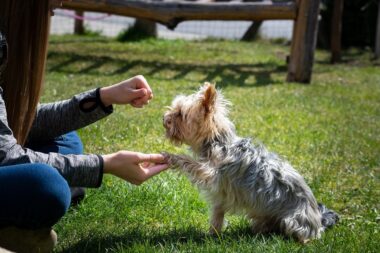
When training special needs dogs, it is also essential to understand the significance of high-quality treats. Choosing the right treats can motivate your dog while offering necessary nutrients. Since some dogs might have dietary restrictions, it’s crucial to select treats that are suitable for their individual health needs. This includes paying attention to ingredients to avoid allergens, ensuring that they remain enthusiastic during training. Soft and easily digestible treats often work best, especially for dogs that may have sensitive stomachs or are picky eaters. Moreover, consider the size of the treats, keeping them small so that your dog does not fill up quickly during training sessions. You can also incorporate toys that dispense treats, providing additional stimulation. Engaging your dog during training is vital, so varying the types of treats and rewards can keep their interest and avoid boredom. Lastly, never underestimate the power of praise! Verbal affirmation and positive body language can create a supportive learning atmosphere and foster a strong relationship between you and your dog, making training a two-way benefit for both parties.
Creating a Positive Environment
The success of training special needs dogs greatly depends on the environment you create for them. A calm and predictable atmosphere can significantly enhance learning outcomes. Dogs with special needs may have heightened sensitivity to sounds or movements, meaning that a distraction-free space is crucial. Utilizing quiet rooms or outdoor spaces with minimal noises can establish a comfortable training zone. Incorporating familiar scents and personal items, such as their blankets or toys, can create a sense of security, reassuring them during the training process. Establishing a consistent training routine can further help dogs understand expectations; knowing when and where training occurs builds confidence. When introducing new exercises or equipment, do so gradually to prevent overwhelming them. Reward all efforts, even small ones, to maintain motivation and inspire progress. Remember, patience is key! Adapt your training techniques based on your dog’s comfort level, allowing them to lead the pace when needed. By creating a positive and nurturing environment, you will facilitate successful learning and encourage your dog to embrace new challenges enthusiastically, leading to personal growth.
In addition to core tools and equipment, socialization plays an integral role in the training of special needs dogs. Providing experiences with various environments, people, and other animals is essential for their development. Start by allowing them to encounter other dogs in controlled settings to minimize stress. Focus on slow introductions, ensuring they feel safe and comfortable. This exposure helps to build confidence and reduce anxiety during interactions. Implementing basic commands during these socialization sessions reinforces their training while providing opportunities to practice responding. Pairing exposure with rewards, such as treats or verbal praise, helps in forming positive associations. Additionally, consider arranging playdates with other calm dogs, as this can boost their communication skills and improve their social behavior. It is imperative to monitor their progress closely and adjust interactions based on their individual comfort levels. Using a combination of structured training, socialization, and positive reinforcement empowers special needs dogs, enabling them to thrive within their environments. By fostering their growth through connections and experiences, you are making a positive impact on their lives while nurturing a special bond.
Conclusion
Training special needs dogs can be a rewarding process. By using the right tools, techniques, and patience, you can provide them with the best opportunity to succeed and thrive. Adapting training strategies tailored to each dog’s unique challenges is essential. Remember to assess their needs continually and make adjustments as required. The importance of creating a supportive and positive environment cannot be underestimated, as it fosters learning. Teach through love, patience, and understanding, always recognizing their efforts. Incorporate various training tools, including adaptive equipment and reward-based methods, while staying aware of advancements in technology for training assistance. Establishing routines and controlled socialization is vital for behavioral development, enabling dogs to feel secure and confident. Furthermore, don’t overlook the significance of high-quality treats and praise, rewarding your dog proportionately for their breakthroughs. Ultimately, the journey of training a special needs dog is about growth, bonding, and compassion. Embrace each step, and rest assured that your efforts will create lasting improvements in their lives and enrich the connection you share.