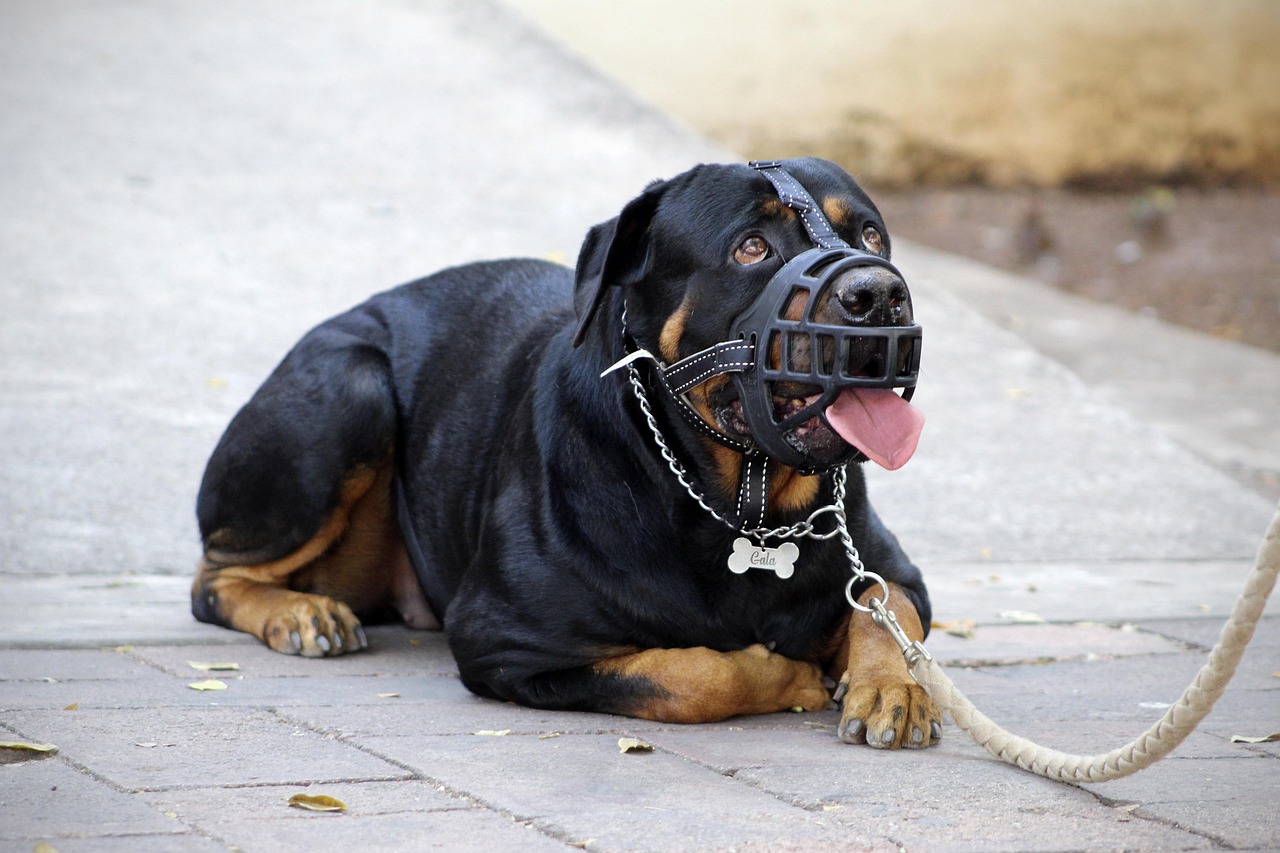

Understanding Territorial Behavior in Dogs
Territorial behavior in dogs can often be observed when they defend their homes, families, or personal space. This behavior is an instinct rooted in their ancestral upbringing where wild canines protected their territories from competitors. A dog may bark, growl, or exhibit signs of aggression when an unfamiliar person or animal approaches their perceived territory. Understanding these behaviors is crucial for any dog owner, as it helps mitigate potential conflicts and fosters a safe environment for both the pet and their family. Positive reinforcement techniques can be beneficial in reinforcing good behavior and reducing aggressive tendencies. Familiarizing your dog with various situations can also contribute positively to their socialization skills. Additionally, regular exercise serves as a vital outlet to expend excess energy that could lead to territorial aggression. Owners should train their animals to differentiate between friends and threats to minimize undue anxiety. Observing reactions to various stimuli in the environment allows the owner to identify triggers that may provoke territorial disputes. Ultimately, fostering a balanced approach to social interaction is key in nurturing a well-adjusted canine companion.
Effective training strategies play a fundamental role in managing a dog’s territorial instincts. Understanding how to introduce your dog to new environments and individuals can significantly influence their behavior. Gradually exposing your dog to diverse situations can help them feel more comfortable and reduce their inclination to protect territory aggressively. Setting boundaries and adhering to consistent commands can establish a routine that reassures your dog in unfamiliar settings. Engaging in positive association exercises, such as rewarding calm behavior in the presence of guests, can be incredibly effective. This method teaches the dog to view visitors as non-threats. Regular playdates with other dogs can also encourage socialization, allowing your dog to learn acceptable behavior within social structures. Moreover, it’s essential to ensure your dog gets ample physical stimulation to reduce boredom-related aggression. Implementing structured walks in various areas can also help the dog learn and adapt to different environments. Socializing your dog from a young age allows them to grow into a well-rounded adult. Boundaries, patience, and consistency are keystones in cultivating a healthy attitude toward territorial behavior.
Identifying Signs of Territorial Behavior
It’s vital for dog owners to recognize the signs indicative of territorial behavior. Dogs may display various physical and vocal signals when they feel their territory is compromised. For instance, excessive barking, growling, or lunging can be alarming signs that indicate a dog is trying to defend their space. A dog may also exhibit body language, such as standing tall, raising their tail, or showing a stiff posture, which communicates assertiveness. Subtle signs like sniffing and marking territory are also noteworthy, as they signify assertive behavior over specific areas. Monitoring how your dog reacts to visitors or noises in the environment can provide insights into their territorial instincts. If your dog becomes overly protective or aggressive, these signals should not be ignored. Instead, they serve as valuable cues for their emotional state and comfort levels. Understanding these behaviors aids in developing effective intervention strategies, ensuring that the dog’s territorial instincts do not escalate into problematic behaviors. Owners should aim to create an atmosphere of security and trust to mitigate anxiety that may prompt territorial defensiveness in various environments.
Territorial aggression can lead to serious challenges if not addressed properly. Dogs that exhibit these behaviors may pose risks to both their families and visitors. It is crucial for dog owners to take proactive measures to curb territorial aggression. Ensuring proper training and socialization from an early age can make a significant difference. Creating a safe space for your dog within your home can alleviate feelings of vulnerability, reducing the need to display territorial behaviors. Additionally, using desensitization techniques, where the dog is gradually introduced to stimuli they perceive as threats, may diminish their reaction over time. Owners can also consult professional trainers who specialize in behavior modification techniques for tailored strategies. Moreover, assessing any underlying medical conditions is essential, as pain or discomfort can exacerbate a dog’s territorial instincts. It is advisable to maintain a routine based on consistent commands and expectations. By employing these strategies, owners can foster a secure environment, reducing fear that may prompt territorial aggression and promoting their dog’s overall well-being and confidence.
Helpful Tips for Managing Territorial Behavior
Several tactics can be effective in managing your dog’s territorial behavior. First, it is essential to work on obedience training, ensuring your dog understands commands like “sit,” “stay,” and “quiet.” Consistency in training reinforces good behavior and establishes authority. Secondly, facilitating gradual introductions between your dog and new people or pets can lessen anxiety. Offering treats and praises during these introductions promotes positive associations. Additionally, creating a positive environment through spatial management can aid in control. Designating specific zones in your home may prevent escalatory behaviors, as different environments can evoke varying responses. Regular, structured exercise is critical for dogs to burn off energy, which may otherwise lead to territorial disputes. Furthermore, utilizing interactive toys or puzzle games can keep your dog mentally stimulated. Empowering your dog with varied experiences leads to a more balanced temperament. Lastly, ensuring your dog is neutered or spayed can reduce aggression and territorial tendencies associated with mating behaviors. By embracing these tips, owners can help their dogs lead happier, more secure lives while fostering harmony within their households.
Culture and social background can also play an important role in canine territorial behavior. Dogs, much like humans, can be influenced by their surrounding environments. A dog’s upbringing often dictates their response to various stimuli and their instinct to protect their territory. It’s essential for dog owners to be aware of how their dog’s history might affect their behavior. Different breeds may possess varying levels of territorial tendencies based on their genetic makeup. For instance, herding breeds may show more protective behaviors due to their roles in guarding livestock. Observing and understanding breed tendencies can aid in better training approaches tailored to the individual dog’s needs. Additionally, the owner’s reactions and handling of territorial situations greatly shape a dog’s behavior. A calm demeanor during stressful interactions teaches dogs that no threat exists. Establishing routines in responses to perceived threats nurtures predictability in a dog’s behavior. Awareness of how culture promotes or discourages territorial behaviors can impact training strategies. Thus, continual education and observance can enhance a dog’s adaptability and overall temperament while reducing aggressive tendencies.
Consult Professional Help
In some cases, professional assistance may be necessary for addressing serious territorial behaviors. Consulting with a certified dog trainer or animal behaviorist can provide insight into effective solutions. These experts analyze the specific circumstances surrounding the territorial behaviors and recommend tailored strategies. They can devise a plan that incorporates consistent discipline and behavioral modifications designed to curb aggression. Moreover, group training classes offer a controlled environment where dogs can interact positively with others, enhancing socialization. Behavioral modification tools, such as calming vests or pheromone diffusers, may also be beneficial in reducing stress and anxious behaviors. Seeking help from professionals not only assists in correcting undesirable behaviors but also enriches the owner’s understanding of their dog’s needs. Importantly, this ongoing education fosters a better bond between the owner and their canine companion. Owners should remember that every dog is an individual and may require different approaches based on their unique personalities. Engaging with professionals can ultimately lead to a happier and safer environment for both the dog and its family.
Understanding your dog’s behavior in relation to territoriality is vital for overall well-being. Recognizing the signs of defensive posturing allows owners to act accordingly, ensuring a peaceful coexistence. Using positive reinforcement techniques during training can cultivate a more balanced temperament. Additionally, awareness of the influences of a dog’s past experiences and social environment enriches the understanding of their behaviors. Owners should be proactive in creating environments where their dogs feel secure and have established boundaries. Regular socialization, obedience training, and consistent management of territorial behaviors create successful outcomes. Engaging with professionals, fostering education, and continuing to learn about canine behavior are necessary steps for owners. In conclusion, fostering a healthy understanding of territorial behavior in dogs not only reduces anxiety but also leads to richer relationships. This understanding ultimately enhances the harmony within the pet’s household while ensuring a safer environment for everyone involved.