
Signs Your Cat is Comfortable Around New Visitors
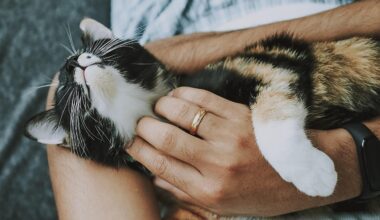
Understanding your cat’s behavior when new visitors arrive can significantly enhance their comfort and create a welcoming atmosphere. Cats are known for their cautious nature, particularly in unfamiliar situations. When a guest enters your home, look for signs that indicate your cat feels at ease. One clear sign is when your cat approaches the visitor to sniff or investigate. If they are curious enough to wander near new people, this shows confidence. Another great indication is when your cat begins to purr or kneads nearby. These behaviors frequently express contentment. You may observe that they sit or lay down in close proximity to the visitor, a clear signal they feel safe. Furthermore, watch for playful gestures — extended play behaviors, such as bringing a toy to guests, show that they are willing to interact. Lastly, if your cat exhibits relaxed body language, such as an upright tail or slowly blinking, it’s a good sign. Remember, the more comfortable they feel, the more likely they are to engage positively.
Another indication of a cat’s comfort level around newcomers is their grooming behavior. When cats feel relaxed, they often engage in self-grooming or grooming one another if they sense safety. If your feline companion takes time to groom themselves in the presence of a visitor, it is a sign they feel at ease. Additionally, cats may even opt to settle down and nap nearby, demonstrating significant trust. Keep an eye out for signs of playfulness, too. A cat that plays in the vicinity of guests is signaling comfort and acceptance. They might bring toys as an invitation, demonstrating their friendly demeanor. You may also notice your cat repositioning their body to face the visitor, showing interest and curiosity. It’s important to differentiate these positive signs from anxiety signals, such as hissing or hiding. Ensure the visitor respects the cat’s space, allowing them to acclimate to the new presence gradually. Providing treats to your cat can also encourage positive interactions over time if used judiciously. Always remain sensitive to your pet’s preferences for social engagements, adapting accordingly.
Body Language and Signals
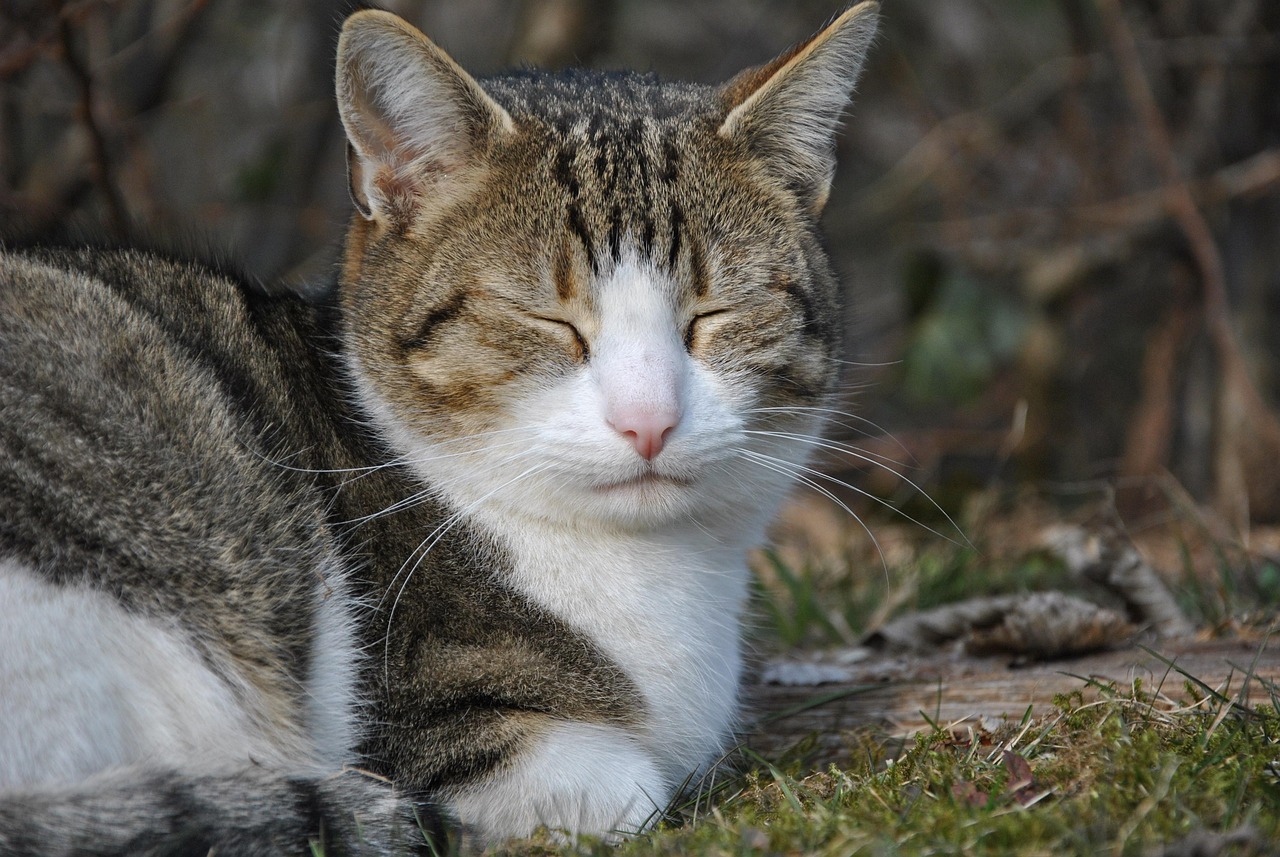
In addition to behaviors such as grooming and playfulness, a cat’s body language plays a crucial role in understanding how they feel about new visitors. When observing your cat, it’s essential to consider their posture and movements. For example, a cat that sits calmly with its tail held high indicates happiness and confidence, while a low tail might suggest anxiety or discomfort. Look for signs like slow blinking, which cats often use to indicate trust and affection. If your cat approaches a guest slowly with ears that are slightly forward, this typically denotes curiosity rather than fear. Watching their whiskers can also provide insights; relaxed whiskers indicate a calm state of mind, while whiskers that are pulled back suggest tension. Pay attention to how often they engage with guests; consistent attention is a positive sign. Another indicator is if your cat starts to rub against the legs of visitors, which is a scent-marking behavior that signifies friendliness. These subtle but significant cues can guide your understanding about whether your cat is fully comfortable and ready to socialize.
Moreover, vocalizations can offer insight into your cat’s feelings around new visitors. Cats communicate emotions through a range of sounds, from purrs to meows. If your cat is engaged in soft, pleasant meows or trills in the vicinity of a new visitor, it typically signifies they are relaxed and willing to interact. Conversely, if you hear loud, agitated yowls or hisses, this suggests anxiety or potential distress. You may notice that some cats use specific sounds to get attention from guests, indicating that they are trying to communicate in a friendly manner. It’s important to pay attention to the tone and frequency of these vocalizations, as they can be key indicators of comfort levels. Additionally, consider their willingness to approach and explore: a cat that actively engages in their environment when new people are around is likely feeling secure. An interest in new scents or sounds created by visitors can also indicate a positive experience. Understanding these vocal cues allows for a more nuanced comprehension of your cat’s reactions and behaviors.
Creating a Comfortable Environment
To foster a welcoming atmosphere for your cat around new visitors, it helps to create a safe environment. Start by ensuring your space is comfortable and familiar for your cat. Providing designated areas for your cat to retreat is vital. Options include high perches or cozy hiding spots that can be available during visits. This arrangement allows the cat to observe interactions freely without feeling trapped. Use familiar smells, like blankets or pillows, to enhance their sense of security. Encourage visitors to approach your cat slowly, allowing pets only when welcomed. Offering treats can also build positive associations. Make sure that guests are informed about your cat’s preferences regarding play and affection. It’s essential to educate visitors on avoiding overwhelming them with sudden movements or loud noises, as sensitivity to sound is typical in cats. Instead, encourage them to engage gently, allowing the cat to make the first move. Gradually acclimatizing your cat to new people can promote confidence and trust, ultimately resulting in more positive social experiences whenever visitors arrive.
Over time, fostering a sense of comfort around new people can strengthen the bond between your cat and visitors. Continued exposure to various individuals can help reduce anxiety associated with unfamiliar faces. For instance, consistently inviting friends over can lead to a more relaxed atmosphere; watching your cat gradually open up to these guests can be quite rewarding. Each positive interaction lays the groundwork for your cat to build trust and familiarity. Additionally, consider incorporating positive reinforcement techniques, like reward-based treats, as new visitors approach. This can condition your cat to associate guests with comfort and satisfaction. Observing your cat during initial interactions may reveal their preferences for when to engage or retreat. Always prioritize your cat’s needs and individual personality traits, as patience is key to helping them adjust fully. Over time, you may notice that your cat feels more comfortable participating in social gatherings. Remember that each cat is unique, and their journey towards social comfort will vary significantly based on individual experiences and sensitivity levels.
Conclusion
In conclusion, recognizing the signs that your cat is comfortable with new visitors requires keen observation of both behaviors and interactions. The key indicators include relaxed body language, playful gestures, vocalizations, and ultimately, the willingness to engage. Elements such as grooming, high-tail posture, soft meows, and solicitation of attention positively signal comfort. Creating a nurturing and secure environment further contributes to your cat’s ability to adapt to visitors. Utilizing patience and allowing ample space for your cat can significantly enhance their social experiences. Your feline companion’s comfort is not straightforward; it comes from gradual exposure, positive reinforcement, and an understanding of their preferences. Encouraging connecting experiences while prioritizing their needs will lead to a healthier dynamic between your cat and guests. Every cat’s journey is uniquely individual, influenced by personality, previous encounters, and environment. By being attentive, observant, and responsive, you can help your cat flourish in a social environment. Moreover, such engagement not only enhances your cat’s quality of life but also enriches the experiences of every visitor to your home.