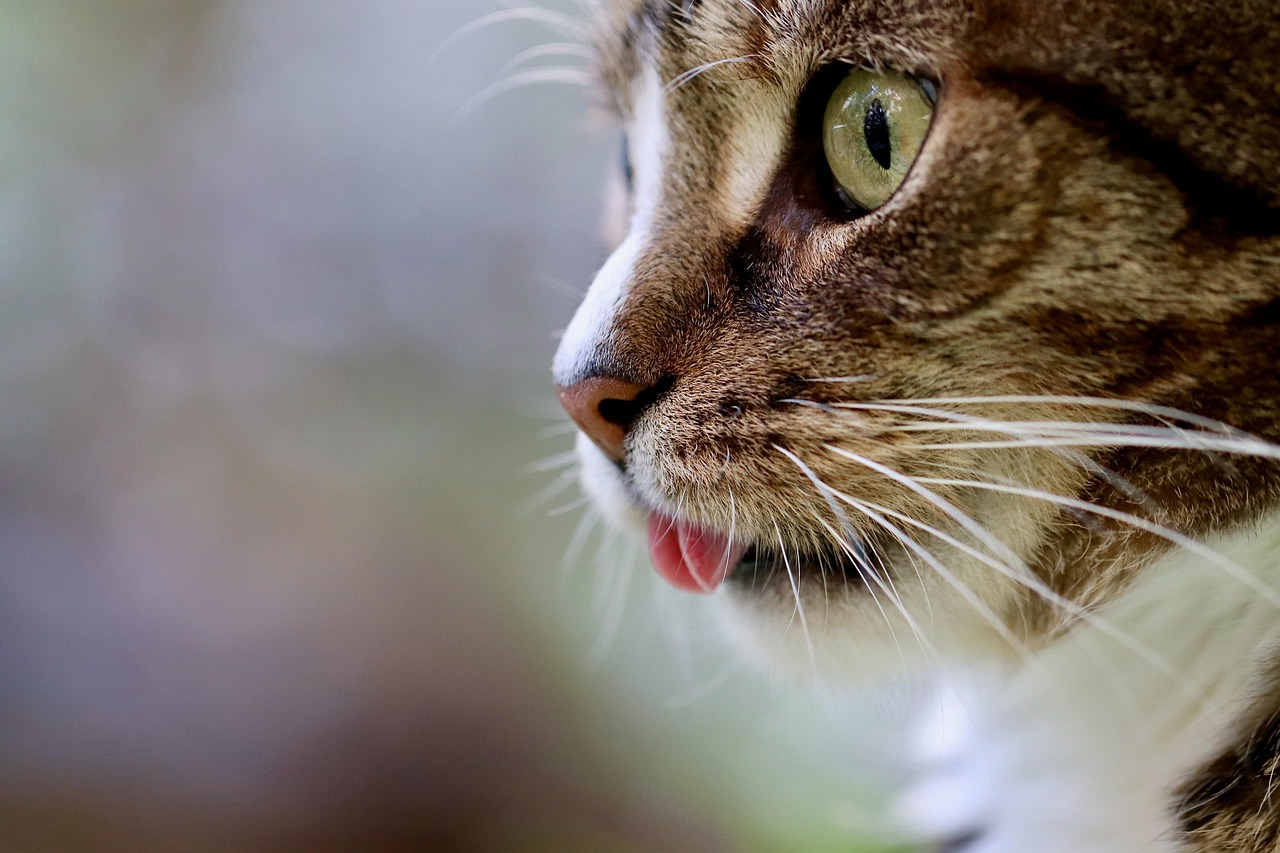

Tailoring Cat Insurance Coverage for Senior Cats
As cats age, their healthcare needs evolve, making it crucial to select the right insurance coverage for senior felines. Standard policies may not offer the support necessary for older cats dealing with various health issues. When considering a policy specifically for senior cats, pet owners should pay attention to certain critical factors. Coverage options for senior cats often include benefits such as routine vet visits, dental care, and even specialized treatments for chronic conditions. Additionally, it’s essential to check if the insurance policy covers hereditary conditions, which are more common in senior pets. Look for plans that provide flexibility with vet choices as well, ensuring that your beloved cat can be treated by their trusted veterinarian. Moreover, consider the claim process and whether it allows for direct payments to the vet, making visits stress-free. Other vital elements include premiums, deductibles, and coverage caps over time. Taking time to research different providers can ensure that your cat gets the necessary attention, thus enriching their quality of life during their senior years, providing peace of mind to pet owners concerned about unexpected costs.
Understanding Common Coverage Types
There are various types of coverage options available in cat insurance, particularly tailored for senior cats. Among these, accident-only coverage is often the least expensive, focusing on mishaps that require immediate medical attention. This option typically does not cover routine care or pre-existing conditions, which can be a significant limitation for older felines. Another important category is comprehensive coverage, which encompasses accidents, illnesses, and preventive care, including vaccinations and annual health checks. This type of policy can be valuable for senior cats that might need regular medical assessments. Some insurers offer customizable policies that allow owners to add specific coverage types according to their cat’s needs, which could be beneficial for those with unique health challenges. Furthermore, explore specialty plans that address age-related illnesses such as arthritis and diabetes and check the age limits set by insurance providers when obtaining a quote. Ultimately, selecting the proper coverage requires a good understanding of your cat’s health status and regular veterinary needs. Always compare policies and seek advisor assistance to navigate the available options effectively.
In addition to the types of coverage provided, pet owners should evaluate the exclusions and limitations associated with each insurance policy for senior cats. Most plans have specific clauses related to pre-existing conditions, which can become problematic if your cat has ongoing health issues. These clauses can deny claims for conditions that your cat was diagnosed with before coverage began. It’s vital to read the fine print of the policy thoroughly to understand which conditions and treatments are excluded from coverage. Based on your cat’s history, you might consider getting an insurance policy before health issues arise to a significant extent. Additionally, many insurers may impose age limits, restricting the availability of coverage when a cat reaches a certain age. Consider policies with no upper age limits for enrollment to ensure continuous coverage. Furthermore, assess the reimbursement levels, which can range between 70% to 100% of the vet costs after deductibles. Choosing the right coverage will help prepare for any health-related hurdles, allowing owners to focus on their cat’s well-being instead of financial stress, ensuring longevity and ensuring peace of mind.
Benefits of Custom Coverage Options
Custom coverage options allow for unique plans tailored to your senior cat’s specific healthcare needs. Depending on your cat’s age and health conditions, you might need to consider adding specific treatments that cater exclusively to senior felines. Some providers may offer a wellness plan to address preventive care measures, which is crucial as older cats often require more frequent check-ups. Custom plans can include coverage for conditions like diabetes, kidney disease, or hyperthyroidism, which are prevalent in older cats. Furthermore, consider a plan that allows for additional services such as acupuncture or chiropractic treatments, which may help improve the overall quality of life for aging cats. Also, look for insurance providers that support behavioral treatments, as older cats often face anxieties leading to challenging behavioral changes. These additional coverages can make managing an aging cat’s health much easier and more predictable financially. Owners should not hesitate to discuss with their insurance agent about incorporating these specific needs, as this personalized approach can secure necessary treatments to ensure their beloved feline’s quality of life and happiness.
When it comes to managing the costs associated with cat insurance for seniors, taking proactive steps can help alleviate financial burdens. Consider enrolling in a policy when your cat is still young, as insurance premises generally charge lower premiums for younger animals. Additionally, maintaining a healthy lifestyle for your cat can also contribute to lower costs over time. Feeding a nutritious diet, ensuring regular exercise, and preventing obesity can help mitigate health issues that might require costly treatments later in life. Another avenue to explore includes participating in pet wellness programs that offer preventive care discounts for routine check-ups and vaccinations. These programs incentivize regular visits and help catch health issues early. Some pet insurance plans even offer rewards for maintaining your cat’s health. Moreover, establish a savings account exclusively for pet emergencies; this financial cushion can supplement insurance coverage, allowing for more flexibility. Collaborating with your veterinarian to create a care plan that keeps annual costs predictable can immensely benefit both your cat’s health and your financial planning, thus ensuring a stable and loving environment for your pets.
The Role of Veterinary Communication
Effective communication with your veterinarian plays a vital role in managing your senior cat’s health and insurance needs. Maintaining an open dialogue helps regularly assess your cat’s health status, ensuring that all necessary medical records are available when needed. An informed veterinarian can provide insights that significantly affect coverage decisions and future claims. If any new health issues arise, prompt notification to the insurance provider is crucial for ensuring that potential claims can be processed effectively. Keeping documentation up to date allows you to present a strong case when filing claims, and it ensures adherence to policy claims requirements. Moreover, discussing the potential insurance implications of any treatments or medications prescribed can help prepare for any future costs. It’s also important to ask your vet about their experiences with various insurance providers and claims processes. These discussions can help narrow down the options that best meet your senior cat’s health profile and needs. By fostering a relationship built on trust with your veterinarian, you can advocate effectively for your cat’s health, paving the way for more efficient healthcare management.
Finally, always review the policy details on a yearly basis, especially as your cat ages, to align with any changing health dynamics. Company policies and coverage may evolve, and knowing the latest in what your chosen provider offers will aid in making informed decisions. Ensure that any policy updates comply with the latest veterinary care guidelines, particularly for senior pets. Pet owners can also benefit from leveraging resources available for negotiation during policy renewals, potentially advocating for better coverage than what is initially presented. Be proactive in seeking recommendations from pet owners who have had experience with different insurers and describe their satisfaction levels with claims processing and service quality. Social media platforms and online forums can serve as valuable resources for customer feedback. Consult your vet for their recommendations on insurance firms that understand senior feline care comprehensively. With the right approach, tailoring your cat’s insurance coverage can alleviate stress regarding future healthcare costs, enabling you to concentrate on creating joyful moments with your beloved companion.