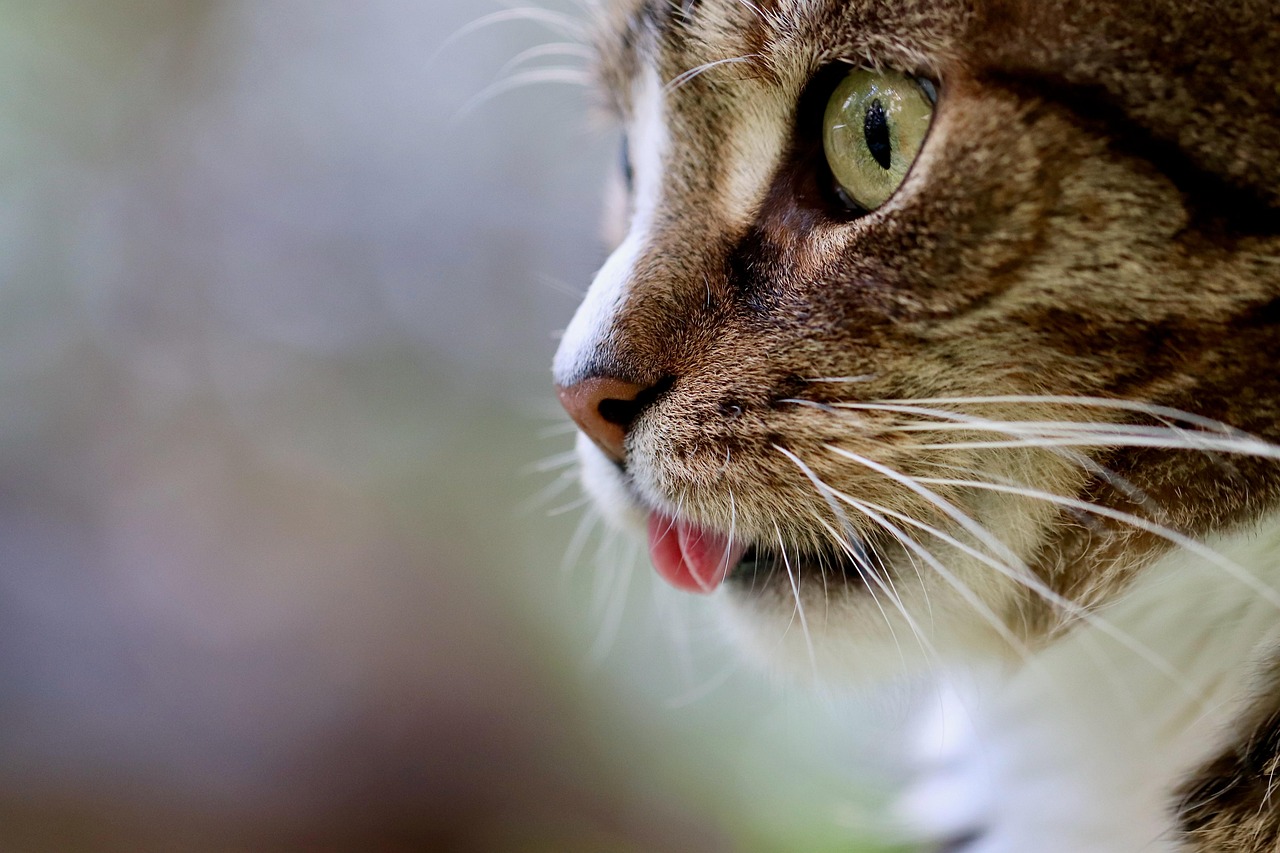

The Role of Tone and Pitch in Audio Cue Effectiveness for Cats
In the realm of cat training, the judicious use of audio cues signifies a profound method of communication with your feline companion. Cats are known for their acute senses, especially hearing. They can distinguish between various tones and pitches, which can significantly impact their response to training. Research indicates that cats are more likely to respond favorably when the audio cues are high in pitch. For instance, soft, higher-pitched sounds can evoke curiosity and engagement in cats. In contrast, low-pitched sounds might be perceived as threatening or unappealing. Thus, selecting the right audio cues is pivotal to effective communication. Owners should experiment with sounds that entice their cats to respond positively. Training sessions should incorporate consistent sound patterns to create familiarity. Ultimately, understanding the relationship between tone and feline behavior is essential in building a successful training strategy. Be sure to observe your pet’s reactions closely to determine which tones resonate best with them. The right audio cues can bridge the gap in communication, establishing a stronger bond between you and your cat, which enhances the overall training experience.
One common method to employ in cat training is through distinct audio signals paired with specific actions or commands. It is crucial to maintain consistency in the tones used during training sessions. For example, if a specific command is reinforced by a cheerful, high-pitched sound, consistently using that tone will help the cat associate the sound with a desired behavior. When the cat performs the intended action, immediately following up with the audio cue will reinforce the connection. This technique is effective in positive reinforcement training, which is beneficial for behavioral modification. Beyond just sound, the emotion behind the tone plays an enormous role in how cats perceive the cue. Using excited tones can motivate cats to engage, whereas flat or monotonous tones might fail to capture their attention. You can combine vocal sounds along with physical gestures for more profound effects. This dual-sensory approach incorporates both hearing and sight, enhancing their learning experience. Additionally, cats exhibit different responses depending on their mood or environment, which means trainers need to be adaptable and observant, taking note of each cat’s unique personality when selecting the proper audio cues.
Understanding the Importance of Frequency and Consistency
Frequencies can also greatly influence your furry friend’s reaction and engagement. Sound frequencies that fall within the range of 1,000 Hz to 4,000 Hz are particularly intriguing to cats. Engaging in cat training with sounds in this frequency range may elicit better responses than tones outside of this spectrum. For instance, using jingles or high-pitched chimes during training sessions can garner attention and maintain focus. Delivering the same cues consistently helps cats recognize and understand their meanings. As they become familiar with distinct sounds representing actions or commands, they will likely become more responsive over time. In addition to the sounds, the context surrounding the training should be consistent. A quiet environment free from distractions is ideal for establishing and reinforcing audio cues. Over time, cats are likely to develop associations between specific tones and positive outcomes, such as treats or affection. The usage of consistent sounds helps to create an environment where cats are eager to learn and respond. Therefore, balancing frequency and consistency is essential for effective cat training.
Additionally, the emotional tone conveyed in audio cues impacts your cat’s motivation to respond. Understanding the significance of emotional tones can foster a more responsive feline companion. When employing audio cues, accompany them with positive emotions to stimulate engagement and curiosity. An enthusiastic tone when using cues can excite your cat and keep them eager to react. Conversely, a neutral tone could lead to indifference during training sessions, ultimately failing to capture their attention. Therefore, trainers must adopt a lively and affectionate tone while calling their cats. This emotional investment can cultivate trust between the pet and owner, resulting in increased cooperation. Vocal inflections that evoke excitement will stimulate your cat’s interest, reinforcing desirable behaviors faster than flat tones. For successful cat training, focus on merging both distinct tones and interesting pitches to guide behavior effectively. Remember that the overall goal is to make the training experience enjoyable for your pet, contributing to their willingness to learn and engage. Experimenting with various emotional tones can reveal which ones resonate best, establishing a rewarding interactive environment.
Applying Audio Cues in Practical Scenarios
When incorporating audio cues into your cat training regimen, practical application of these techniques can further optimize learning and reinforcement. Consistent use during specific actions, like feeding or playtime, helps create a structured approach to training. For example, pairing feeding time with a unique audio cue can allow your cat to associate that sound with meal rewards, encouraging quicker learning. Furthermore, audio cues can effectively direct behavioral redirection during undesirable activities. In scenarios where your cat may be climbing on furniture or exhibiting unruly behavior, a clear and distinct sound signal could act as a gentle reminder to deter unwanted actions. However, it’s essential to ensure these cues remain positive and not punitive; any stress could lead to anxiety and hinder progress. Keeping a cheerful and encouraging demeanor throughout training helps reinforce learning through sound positively. Observing your cat’s responses towards various cues will help fine-tune your training strategy for maximizing effectiveness. The key lies in creating engaging interactions, encouraging a smooth transition upstairs.
Another notable aspect of cat training using audio cues is the reinforcement of desired behaviors over time. As your cat learns to respond to audio cues through repetition, employing a variety of sounds will keep their interest piqued. Using rewards in conjunction with audio cues is vital for bolstering their willingness to engage. For example, after successfully responding to a sound cue, rewarding your cat with treats or praise can enhance their motivation to repeat that behavior in the future. Moreover, varying your approach without frequently changing core audio cues will help keep training sessions exciting, preventing boredom. Transitioning from simple commands to more complex tasks will also enhance their learning opportunities. As cats become more confident in their abilities, increasing the challenge can help them grow intellectually. Importantly, patience and consistency are key components of any successful training program. Giving praise not only rewards the behavior but also cultivates a trusting relationship. Audio cues, when delivered enthusiastically, promise a rewarding bond with your cat, amplifying both learning and engagement during training.
Conclusion: Mastering Audio Cues for Cat Training
Mastering the use of audio cues in cat training can significantly enhance your feline companion’s learning experiences. The pivotal aspects of tone, pitch, frequency, and emotional context contribute to their ability to understand and respond to audio signals. Adapting your tones and employing distinctive pitches can capture and maintain your cat’s attention effectively. Always remember that training should be a pleasurable and rewarding experience, structured around consistent sounds and positive affirmations. Observing your cat’s behavior towards different cues is fundamental in refining your training strategy. The fun of training together can nurture a deeper bond between you and your cat. With carefully chosen audio cues and a methodical approach, positive changes in your cat’s behavior are attainable. As you embark on this training journey, celebrate each small success, motivating both your cat and yourself to continue improving outcomes. In the end, the investment you make in audio cues will yield harmonious communication, establishing a rewarding and meaningful relationship with your feline friend that lasts a lifetime.
In summary, the effectiveness of audio cues in training cats plays a considerable role in enhancing communication with your pet. By strategically utilizing tone and pitch, it becomes easier to engage your cat and steer their behavior positively. With the knowledge gained from this article, trainers can effectively adopt audio cues tailored to their cats, fostering an environment of learning and cooperation. Furthermore, the emotional tone and consistency in cues can differentiate a successful training session from an ineffective one. When cats receive audio signals that correspond with their feelings of safety and encouragement, they become more inclined to learn and interact actively. As you continue to embrace these techniques in your training practice, know that every small action taken today paves the way for a more responsive and engaged cat tomorrow. Thus, it is crucial to implement varied audio cues while monitoring their responses meticulously. Making the training enjoyable creates opportunities for bonding, making both the training process and the mastery of skills fulfilling. Ultimately, a deeper understanding of your cat’s audio communication will benefit their training experiences and build a stronger lifelong relationship between you and your feline companion.