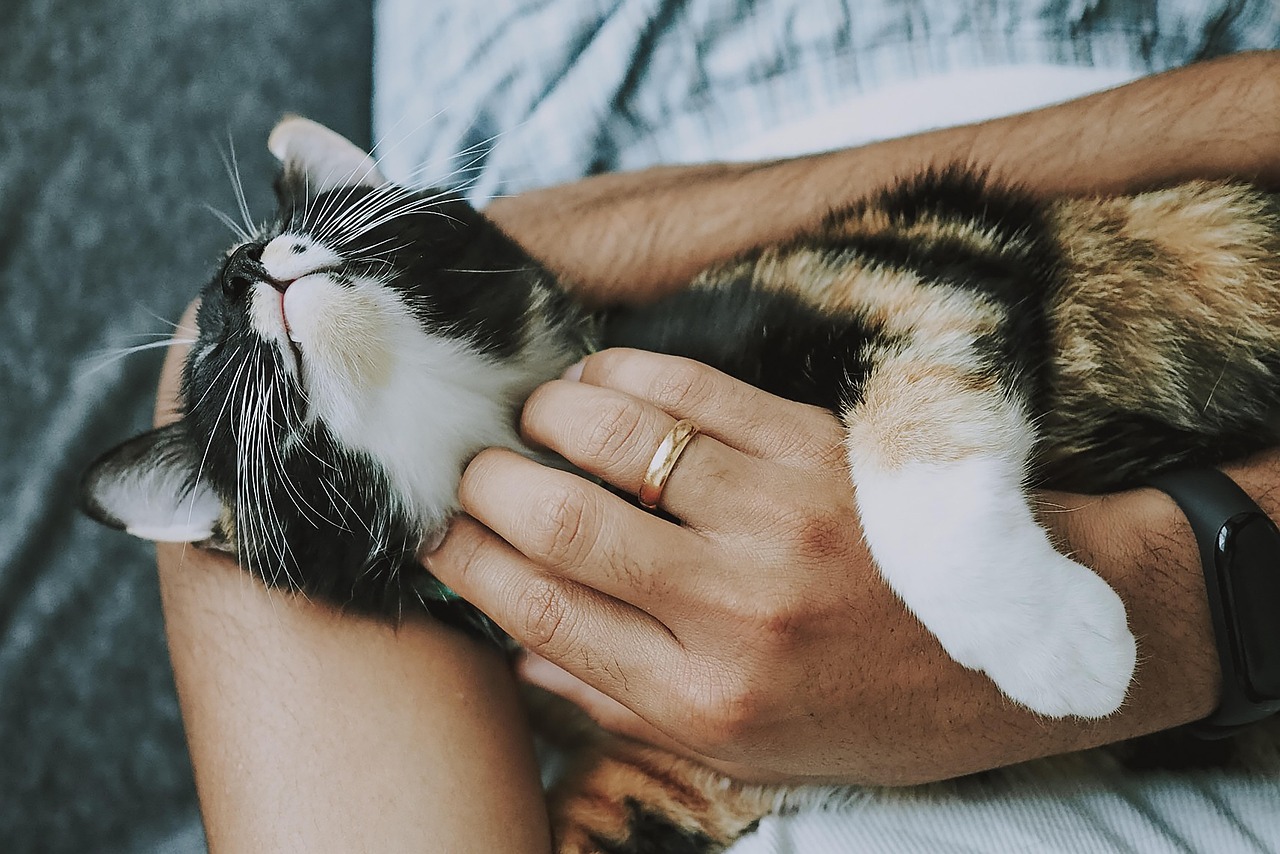

Best Practices for Protecting Cat Rescues’ Privacy on Social Media
Utilizing social media is essential for cat rescues to spread awareness and engage with the community. However, protecting the privacy of the organization, staff, and animals is paramount. One crucial step is limiting the amount of personal information shared online. This includes being cautious when posting about individual volunteers or rescue pets. Knowing what details are appropriate for the public domain can prevent potential risks. For example, avoid sharing last names, personal addresses, and sensitive information about ongoing cases. Ensure that all social media accounts have strong passwords and enable two-factor authentication whenever possible. This will help protect accounts from unauthorized access. Additionally, consider creating separate accounts for different functions, meaning one dedicated to general updates and another for fundraising efforts, which can help streamline the message while safeguarding sensitive information. Regularly review followers and who interacts with your posts to ensure you can swiftly manage any privacy breaches. As cat rescues expand their online presence, the focus should remain on creating a safe environment for both people and pets through thoughtful social media management practices.
Establishing clear guidelines for social media communication is integral for cat rescues. Develop a detailed document outlining approved topics for discussion and how to handle sensitive issues online. This will help volunteers, staff, and anyone associated with the rescue understand the boundaries and expectations when interacting on behalf of the organization. For instance, clarify how to respond to inquiries about adoptions, fostering, and donations without divulging personal data. Training sessions or workshops can be conducted to reinforce these guidelines and their importance. Regularly update these policies as new social media trends arise or as the organization evolves. Moreover, encouraging a culture where privacy is prioritized cultivates responsibility among team members. Everyone should feel empowered to report concerns if they witness any potential privacy breaches or inappropriate postings. Additionally, only use images of animals posted with consent or that do not reveal specific locations or personal details. Always consider whether sharing certain images could place individuals or animals at risk. By setting these guidelines, cat rescues can maintain a positive and professional presence online, making the most of social media while protecting their community and rescues.
Content Creation Dashboards
Creating a content calendar can streamline how cat rescues manage their social media presence. This tool can help to plan posts in advance and ensures that a variety of content is shared over time, which keeps the audience engaged while maintaining focus on privacy. The calendar should include important dates like adoption events, fundraising campaigns, and awareness days relevant to animal welfare. By plotting these dates visually, it’s easier to coordinate with volunteers and staff, allowing everyone to contribute ideas for posts while observing privacy measures. For example, when promoting an adoption event, use general images of cats available for adoption and share heartwarming stories without personal identifiers. Always ask for feedback from the team before publishing content, ensuring compliance with established privacy guidelines. By establishing a structure for content, rescues can provide valuable updates without jeopardizing the confidentiality of the organization or safety of the animals. Social media can be an excellent tool to tell a story without over-sharing intimate details or risking any individuals’ privacy either. Ultimately, a creative and collaborative approach leads to effective and secure social media management.
Another vital aspect of protecting privacy on social media is responsibly managing the comments and messages received. Cat rescues often receive inquiries through their social media platforms, and understanding how to respond appropriately is essential. Develop a strategy for dealing with sensitive subjects publicly and privately. Certain inquiries might require a direct message response rather than a public reply. For example, questions regarding specific animal cases should be handled through private channels to maintain confidentiality. Ensure that all team members know the procedure for escalating inquiries, especially those that involve adoption processes or health concerns of the animals. Being transparent while also respecting privacy is crucial for building trust with the community. Furthermore, regularly monitoring comments can help moderators identify and remove inappropriate or potentially harmful posts quickly. Fostering a respectful environment encourages positive interactions and protects the organization from potential backlash. Remember to define boundaries for engagement actively and to reinforce them among your team, allowing the rescue to retain a professional image while also nurturing community relations through open communication.
Collaboration with Local Media
Partnerships with local media can significantly boost a cat rescue’s visibility while also ensuring that privacy protocols are observed. By collaborating with journalists or bloggers, rescues can create engaging stories that highlight their mission and encourage local support. It is important to control the narrative proactively. Before any article or interview, ensure that the media understands your privacy requirements and the overall goals of the story. Discuss what information can be shared and what should be avoided. For instance, focus on collective achievements rather than individual concerns of staff members or volunteers. When presenting animals available for adoption, use general photos that don’t reveal personal details about their background or health. This way, privacy concerns are less likely to arise in published content. Engage with the local community through these media channels to raise awareness about the importance of cat rescue efforts while safeguarding the organization’s integrity and protecting sensitive information. By creating this two-way communication, cat rescues foster trust and collaboration while safeguarding the community’s and pets’ safety.
Monitoring and assessing social media effectiveness is key to relevance and privacy compliance. Cat rescues should regularly review insights and engagement metrics to determine what content resonates most with followers while keeping privacy in check. Analyze interactions such as likes, shares, and comments for patterns that can inform future strategies. Additionally, tracking posts that received negative feedback or privy comments can highlight areas where privacy breaches may have occurred. Implementing an open feedback loop allows team members to express concerns about posts before they go live, promoting a culture of transparency and accountability. Regular monthly or quarterly evaluations can enable rescues to pivot their strategies as needed while staying aligned with privacy goals. Tap into various analytical tools that help gather meaningful data on social media performance. By evaluating these metrics and adapting, cat rescues can optimize their content to best reach their audience while minimizing risks to privacy. Lastly, don’t hesitate to seek external audits or reviews by social media experts to bolster these attitudes for maximum effectiveness.
Using Stories and Temporary Posts
Lastly, consider utilizing stories or temporary content to feature cats available for adoption while maintaining privacy. Social media platforms like Instagram or Facebook allow temporary posts that disappear after a specified time. This feature is perfect for showcasing rescued cats in a way that keeps both their current location and personal details during the adoption process secure. Highlighting successful rescues or urgent needs becomes less personal and more about collective efforts through this content style. Alternatively, behind-the-scenes footage of volunteers caring for animals can be shared without revealing specific identities or locations. Encourage the use of anonymity when featuring volunteers in such content. The fleeting nature of stories can provide a less permanent option while still promoting the rescue’s mission actively. Overall, embracing temporary content reduces potential privacy risks as long as careful management is applied to ensure no identifiable information gets revealed. Cat rescues have much to gain from this approach if utilized correctly, pairing the beauty of storytelling with prudent privacy practices.
In conclusion, safeguarding cat rescues’ privacy on social media entails a proactive strategy centered on education, communication, and responsibility. By training staff and volunteers in best practices tailored for privacy management, it helps create a culture where everyone feels accountable for their online presence. Strong guidelines and creative use of content such as stories and temporary posts allow rescues to thrive in the digital age. Engagement with the community through local media partnerships and prioritized privacy metrics showcases the organization’s commitment to safeguarding confidentiality. Every rescue should conduct regular reviews of their social media efforts for adjustments and improvements. Maintaining the balance between community engagement and privacy protection should be an ongoing goal as the digital landscape continues to evolve. When cat rescues adopt these best practices and remain aware of potential risks, they can ensure a positive online environment for sharing their stories. Ultimately, this dedication to protecting individuals and pets alike enhances trust and advocacy from the community, making social media a powerful tool for cat rescue efforts, while demonstrating responsibility and ethical standards in digital interactions.