
Storytelling with Dogs: Creating Narrative in Your Photos
Every dog photographer realizes that capturing a dog’s essence goes beyond snapping a picture. Dogs are not just subjects; they are storytellers in their own right. To create compelling narratives through photography, one must observe the little gestures and interactions that define their character. Consider the backdrop—an idyllic beach, a bustling park, or a cozy home—to convey the mood and story. Think about incorporating a variety of elements in the frame: the dog’s expression, the light, and surrounding details. Moreover, understanding the dog’s personality helps in framing the shot effectively. Use a mix of close-ups and wide-angle shots to tell a layered story. Each angle reveals different facets of their personality. Capturing moments when the dog is interacting joyfully with its owner enhances emotional resonance. Action shots can showcase their playful spirit, while quiet portraits can reveal their gentler side. Remember, storytelling in photography doesn’t just capture an image; it captures a feeling, a moment in time that resonates with the viewer, encouraging them to connect deeply with the subject.
The Importance of Emotion in Dog Photography
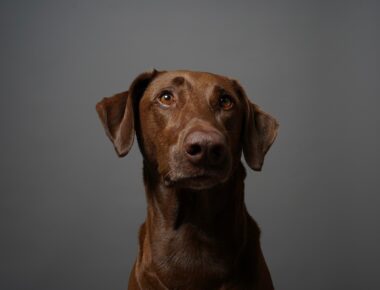
In dog photography, emotion plays a pivotal role in storytelling. Dogs are perceptive creatures, and their emotions often resonate with viewers, creating a connection. To evoke these feelings, it helps to focus on candid moments. Capture the excitement of a dog meeting a new friend or the calmness displayed when they rest. Utilize natural light and shadows to set the mood of your photographs. Soft lighting can emphasize tenderness, while bright sunlight can amplify joy. Additionally, capturing the dog’s eyes is crucial; they express their emotions and can profoundly engage the viewer. For storytelling, compositions matter significantly. Experiment with angles, such as shooting from the dog’s level, to create an immersive experience. Include elements that represent the dog’s life—favorite toys, places they frequent, or their human companions. Using props can enhance scenes, adding context and depth to the narrative. Creating a series of photographs depicting a day in the life of the dog can also strengthen the storytelling aspect. Remember, the goal is to present the dog’s world through your lens, compelling viewers to see beyond the surface.
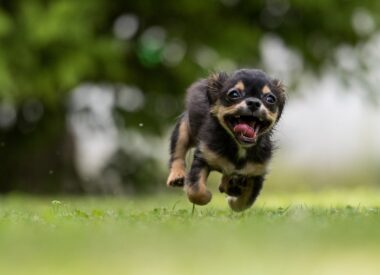
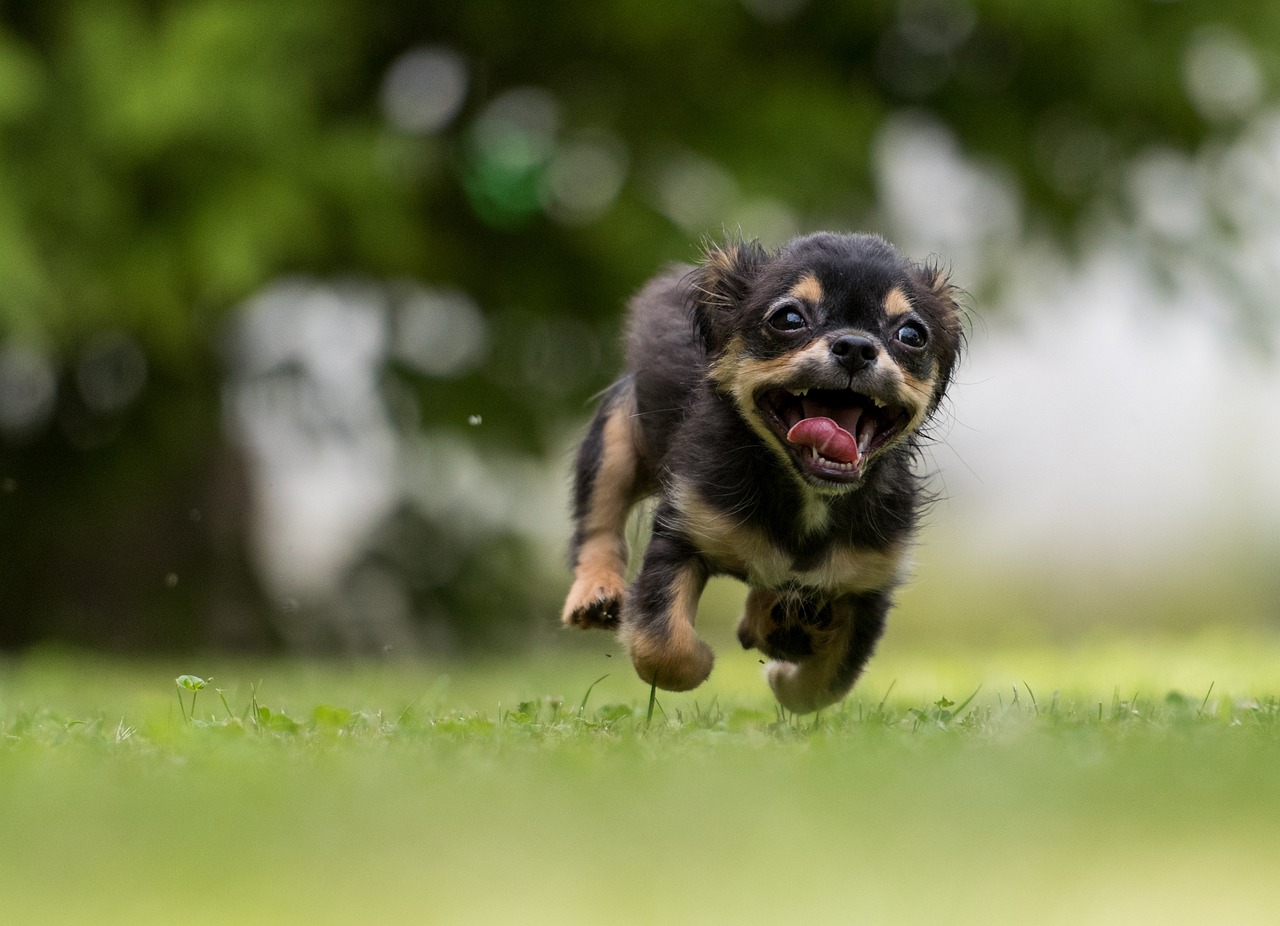
Composition techniques are vital for any photographer, especially when telling a story involving dogs. The rule of thirds is a classic technique that can be effectively applied; it encourages the placement of the dog off-center, drawing the viewer’s eye. This not only adds interest but also creates a sense of movement and perspective. Additionally, negative space can serve a purpose in your photography, allowing the subject to breathe within the frame. Choosing the right background is equally essential. A cluttered background can distract from the dog while a simplified one can enhance focus. Consider utilizing contrasting colors to make your canine subject pop. Lines within a composition, whether natural or manmade, can lead the viewer’s gaze towards the dog, guiding them through the story you’re telling. Moreover, incorporating movement can add dynamism to your photography; capturing a running dog or one mid-leap adds excitement to the shot. As you experiment with these techniques, you’ll discover the best style that resonates with the dog’s personality and the narrative you wish to convey through your images.
Utilizing Environment for Storytelling
The surroundings in which you photograph dogs can greatly enhance the storytelling aspect. Each environment conveys its own narrative, presenting different opportunities for creativity. Urban environments with graffiti walls or concrete playgrounds can showcase a dog’s adventurous spirit. In contrast, lush parks and wooded areas speak to their playful, natural instincts. The environment should complement your subject, strengthening the narrative. Take time to scout locations that reflect the dog’s personality, highlighting moments like chasing after a frisbee in an open field. Including elements from the environment, such as flowers, trees, or water, introduces diverse textures and colors, enriching the narrative. Be mindful of the time of day; golden hour, just before sunset or after sunrise, provides dreamy lighting that can transform your photographs. Weather conditions also provide unique storytelling angles; a dog enjoying a rainy day adds a delightful twist. When capturing moments in such diverse settings, remember that the dog’s emotions are your central focus; their joy, curiosity, or energy should dominate the frame, inviting viewers into their world.
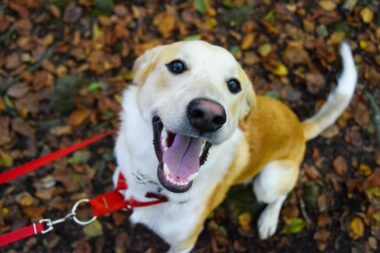
Symbolism can add layers to dog photography, enhancing the narrative quality of each shot. Integrating objects that resonate with dogs allows for deeper emotional connections; a beloved toy or a cozy blanket tells a story of comfort and companionship. Consider also using colors creatively, as they can evoke certain feelings or memories. For instance, a bright yellow background may suggest joy and activity, whereas muted tones can represent calm. Think about your own experiences with dogs when selecting symbols to include, as this personal touch enriches the narrative. Capturing relationships is another way to express storytelling; moments shared between dogs and their human companions can evoke powerful emotions. A photograph depicting a child and their dog during playtime can speak to love, trust, and the bond formed over years. Additionally, seasonal elements can provide context and symbolism; autumn leaves or blooming flowers can signify change or new beginnings. As with any aspect of photography, balance is crucial. The choice of elements should unite to enhance the overarching story, creating a cohesive visual experience that resonates with viewers.
Final Touches: Editing Your Narrative
Editing is an essential stage in the storytelling process. The editing phase can magnify the emotions captured in your dog photography. Adjusting parameters like contrast, brightness, or saturation can highlight the mood you wish to convey. A well-edited photo should enhance the narrative without altering the essence of the original image. Focus on bringing out the dog’s expressions and ensuring that the story remains clear. Subtle editing techniques like vignettes can draw attention to the main subject by darkening the edges of the frame, guiding viewers’ eyes deliberately towards the focal point. Additionally, cropping can refine the composition and eliminate distractions. It allows you to maintain the emotional core of the story while ensuring the dog remains the focal point. When editing, always keep the story at the forefront—every change should enhance the narrative you’re telling. Taking breaks during the editing process often proves beneficial, providing fresh perspectives on the photos. As digital tools enable extensive modifications, remain cautious not to over-edit; preserving authenticity is vital in keeping the narrative truthful and relatable.
In conclusion, weaving narrative into dog photography is an art that requires both technical skills and a deep understanding of the subject. By observing the dogs and their interactions with the world around them, photographers can tell compelling stories that resonate with viewers. Engage emotions, use composition techniques effectively, and utilize symbolism to enrich the visual tales you create. Diversify your environments and remain open to capturing spontaneous moments that reveal a dog’s true nature. Remember, editing plays a crucial role where the story must remain coherent and engaging. With passion and practice, anyone can elevate their dog photography into a true narrative exploration. Each photograph should invite the viewer to embark on a journey alongside the dog, stirring feelings and celebrating the unique bond shared between humans and their beloved pets. Whether it’s capturing a playful romp in the grass or a serene moment of companionship, remember that every shot speak volumes. Through the lens, we tell not just the story of a dog, but the deeply enriching experiences that come with sharing our lives with them.