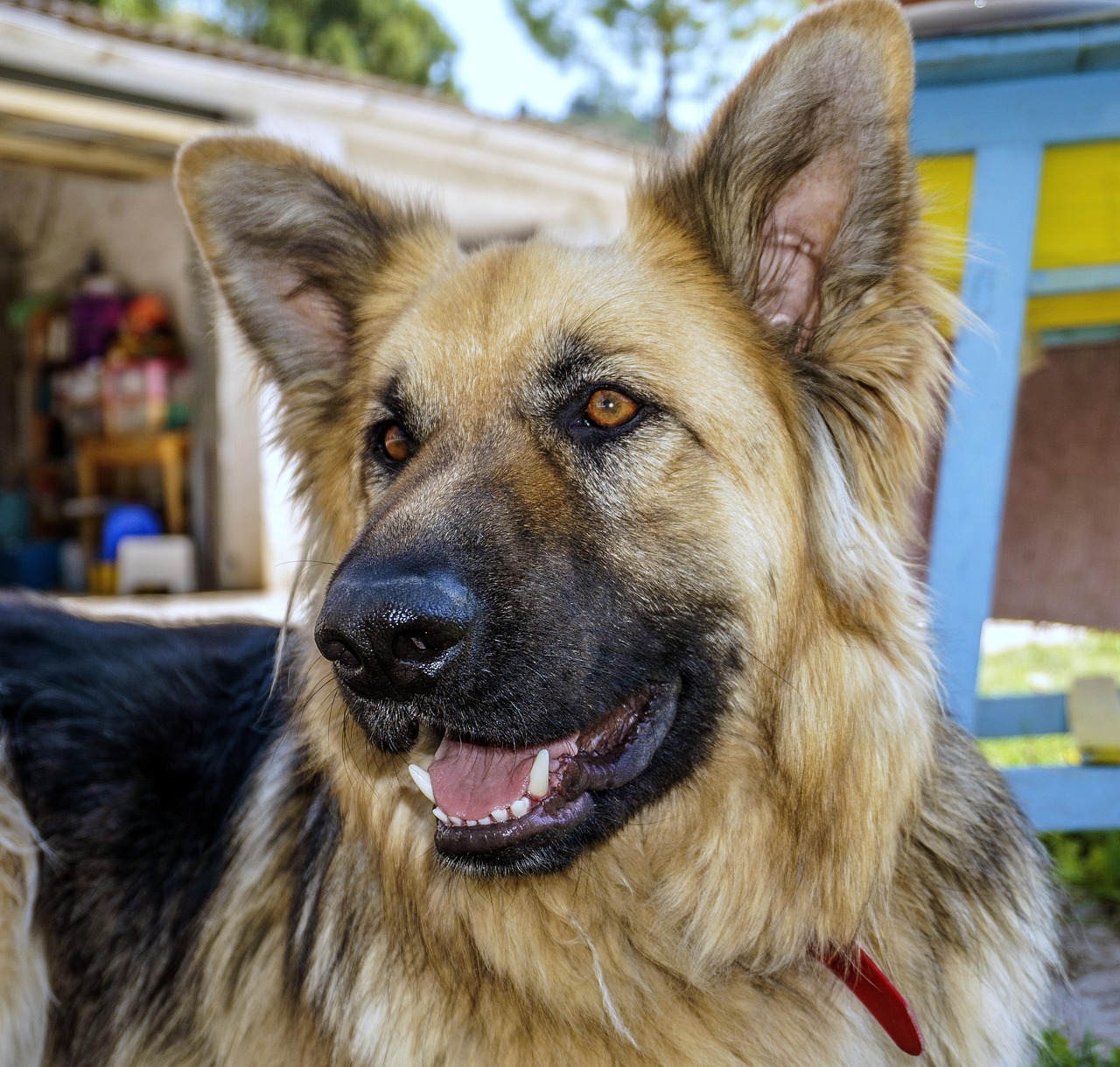

Socializing Adult Dogs: Is It Possible and How?
Socializing adult dogs often raises questions about their adaptability and willingness to engage with new experiences. Many dog owners believe that once a dog reaches adulthood, their temperament and social behaviors are set, making socialization a daunting task. However, it is crucial first to understand that dogs, regardless of age, can learn and adapt to new environments. The objective of socialization goes beyond mere interaction; it aims to enhance a dog’s overall quality of life by reducing anxiety and promoting confidence in various situations. Engaging adult dogs in social settings can prove beneficial, provided the approach is gradual, understanding, and consistent. It takes patience, as some dogs may exhibit fear or aggression when confronted with new situations or dogs. Owners must remember that each dog is unique, requiring different methods of encouragement to foster positive interactions. Utilizing reward-based training methods and positive reinforcement can pave the way for successful socialization. A well-structured plan that incorporates elements like controlled exposure to different stimuli can help dogs adjust more comfortably while building their confidence in social settings.
Research shows that socialization plays a significant role in a dog’s behavior and temperament. Adult dogs can still benefit from socialization through gradual exposure, allowing them to learn important social cues and behaviors. It is essential to introduce adult dogs to different environments, people, and other animals. Start with low-stress locations, such as quiet parks or controlled doggy playdates, and gradually increase exposure as they become more comfortable. Enrolling in obedience classes or specialized socialization programs can be incredibly advantageous. These programs often offer guidance from professional trainers who understand dog behavior, ensuring a safe space for learning. Additionally, observing your dog’s body language is crucial during these interactions, as it can highlight their comfort levels. If a dog shows signs of stress, such as growling or attempting to retreat, it is vital to remove them from that situation. Being attentive to your dog’s signals not only helps protect them but also ensures a more fruitful socialization experience. Consistency in exposure and interaction will lead to a better outcome over time, revealing the potential for adult dogs to successfully adapt socially.
Understanding Dog Behavior and Temperament
A key component to socializing adult dogs is understanding their individual behavior and temperament. Every dog is unique, with different past experiences influencing their current reactions to new situations. Some dogs may be naturally more sociable, while others may exhibit reserved or fearful behavior. Recognizing a dog’s baseline behavior allows owners to tailor their socialization techniques accordingly. For instance, a timid dog may require a more patient and gradual introduction to new environments. On the other hand, more confident dogs might handle interaction with other dogs without significant issues. Providing a positive experience is vital for all dogs but is especially crucial for those that may have negative associations with certain stimuli. Employing techniques such as desensitization, where a dog is slowly exposed to a stimulus in a controlled manner, can significantly enhance their confidence. Positive reinforcement, such as treats or praise, reinforces good behaviors during socialization efforts. The journey to socializing an adult dog can vary greatly among individuals, but understanding their temperament is the foundation upon which effective socialization strategies can be built.
Building trust and confidence within an adult dog is instrumental for successful socialization. Trust is often fostered through consistent positive interactions, allowing dogs to associate new experiences with rewards and safety. Owners should engage in regular activities such as playing fetch or going for walks in stimulating environments, creating opportunities for enjoyable bonding experiences. Moreover, establishing a routine helps dogs feel secure, making them more open to new experiences. Accessible areas, like pet-friendly cafés or controlled dog parks, can act as excellent environments for socialization. Gradually introducing various stimuli, like children, different breeds, or even transportation, can result in a well-rounded behavioral adjustment. A crucial aspect of this process is to remain patient, as building trust takes time. If faced with setbacks or signs of anxiety, it’s essential to take a step back and reassure the dog instead of forcing them into a situation. Over time, these gentle interactions cultivate positive associations, preparing them for future social encounters. Through repeated exposure and enriching activities, adult dogs can transition into confident individuals ready to engage joyfully with their communities.
Improvements in Adult Dog Behavior
Socialization in adult dogs can lead to significant behavioral improvements over time. As dogs become familiar with new creatures and environments, they often show reduced anxiety, improved reactions to stimuli, and overall increased happiness. With positive social experiences, dogs can develop better coping strategies when faced with stressful or unpredictable situations. For example, well-socialized dogs tend to exhibit calmer behavior around loud noises or crowds, as their previous experiences have taught them not to react fearfully. This transformation often results in more rewarding relationships with both humans and other dogs. Adult dogs that are socialized effectively not only display confidence in safe environments but also show adaptability in potentially intimidating scenarios. Interestingly, owner behavior strongly influences the outcome of socialization efforts. A calm and assertive owner can help instill confidence in a dog, ultimately reflecting the temperament of the dog. Continuous reinforcement of positive behavior ensures that these improvements are maintained and even built upon. The notion that adult dogs cannot learn and grow is a misconception, and with substantial effort, owners can reshape and enhance their dog’s behavior and interaction capabilities.
A crucial component of the socialization process is ensuring safety for both the dog and others during interactions. Adult dogs, especially those with previous negative encounters, may react unpredictably, making it essential to take precautions. Using a sturdy leash and harness can provide better control, preventing mishaps during outings. Additionally, choosing appropriate times and places for socialization can help avoid overwhelming situations. For instance, visiting dog parks during quieter hours allows dogs to acclimatize to new sights and smells without the stress of excessive interactions. Similarly, making sure any other dogs introduced are well-socialized and friendly can pave the way for successful encounters. Depending on the individual dog, it may even be beneficial to engage in training sessions focused on impulse control. These sessions teach dogs better manners and help them learn how to behave appropriately in social situations. If a dog exhibits aggression or fear, consulting with a professional trainer experienced in behavior modification can expedite the process. Taking steps to ensure every interaction is safe and educational will contribute positively to the overall socialization experience for adult dogs.
Continuing Socialization Throughout Life
Socialization should not only be an early phase of a dog’s development but also continue throughout their lives. Adult dogs benefit from ongoing exposure to new experiences, which helps maintain their adaptability and social skills. Planning regular outings or enrolling in various activities helps keep the interactions fresh and exciting. Experiences such as visiting new parks, going to pet-friendly events, or meeting different people provide stimulating environments for adult dogs. These consistent exposures prevent behavioral regressions and help solidify communication cues established during initial socialization efforts. Another important aspect is participating in training programs, which can offer both mental stimulation and social opportunities. Being part of a group class not only reinforces training commands but also provides controlled chances for dogs to interact with others. This continuous process positively influences their social skills, keeping them well-adjusted. Owners should be encouraged to embrace the fact that socialization extends beyond puppyhood and is a lifelong commitment. Regularly integrating fun, safe experiences leads to a balanced dog that thrives in different social contexts.
In conclusion, socializing adult dogs is indeed possible and incredibly beneficial. Through understanding their behavior, building trust, and ensuring safe interactions, owners can greatly enhance their dogs’ social skills. The journey of socialization requires patience, consistency, and thoughtful planning from the owner. Incorporating varied experiences and mixing in regular training reinforces positive developments in behavior. Adult dogs can thrive in social settings, but it requires commitment and dedication from owners. Journeying through these socialization experiences, dog owners often discover the rewarding transformations that occur. Not only do they witness their adult dogs become more confident, but they also foster deeper bonds through shared experiences. Although challenges may arise, the dog’s resilience and adaptability offer hope for success. As dogs grow and learn, so do their owners, creating a dynamic relationship. Ultimately, socializing adult dogs not only benefits the dogs but also enriches the owner’s life. With dedication to this continuous process, owners will find their dogs more engaged, happy, and ready to partake in life’s adventures with confidence.