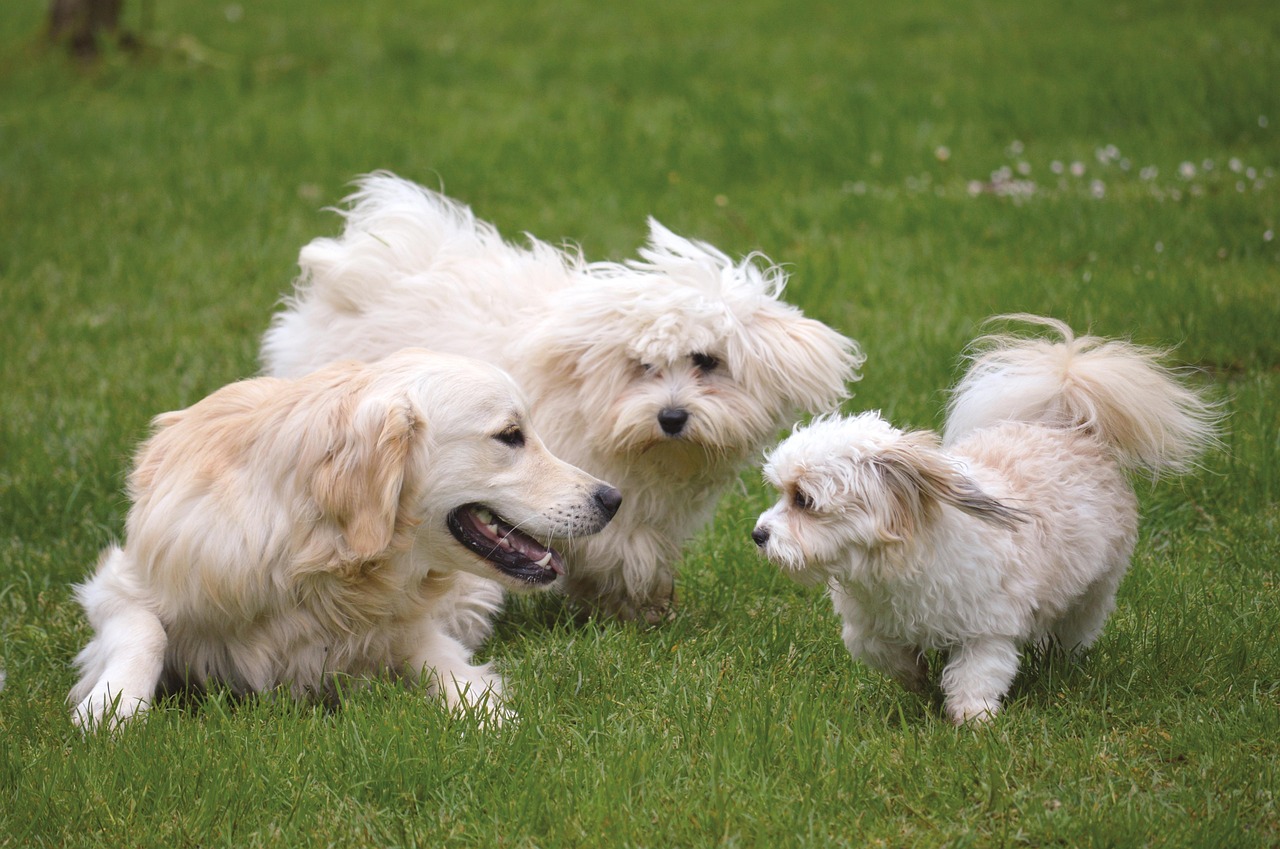

The Impact of Socialization on a Dog’s Emotional Well-being and Safety
Dog safety is intrinsically linked to socialization. A well-socialized dog is able to navigate environments with confidence. Exposure to varied conditions helps in reducing anxiety when encountering new experiences. Dogs that are familiar with diverse environments display fewer behavioral problems. Interaction with people, other pets, and various sounds nurtures positive behavior. As a dog becomes accustomed to new situations, it develops a sense of security, crucial for emotional well-being. Socialization ensures a dog can recognize safe versus ambiguous settings, allowing for better decision-making. This understanding helps prevent aggressive or fearful reactions. Negative encounters can lead to long-term psychological effects. Socialized dogs are often more adaptable, enjoying walks, parks, or gatherings without excessive fear. A lack of socialization can lead to isolation, where dogs feel unsafe and anxious. Owners play a crucial role in this process by facilitating positive experiences early in a dog’s life. This foundation fosters emotional health and safety throughout its life. Understanding the significance of socialization can create a well-adjusted dog, capable of coping with various challenges. Thus, early and consistent socialization is imperative for ensuring a happy, safe dog.
Developing a socialization plan is crucial for achieving safety and emotional balance. This plan can include various activities and environments beneficial for your dog. Synergizing experiences with careful management ensures a secure atmosphere for the dog. Workshops or training classes offer structured social interaction with supervision, optimal for learning appropriate behaviors. Engaging in playdates with familiar and friendly dogs builds comfort and trust. Regular visits to pet-friendly establishments enable exposure to different people and situations. Variability in environments, like parks and urban settings, promotes adaptability to new experiences. Positive reinforcement during interactions encourages desirable behavior, reinforcing safety. It is essential to monitor your dog’s reactions and adjust experiences based on comfort levels. Gradually, increase the complexity of experiences as your dog becomes more acquainted with various situations. Understanding indicators of comfort or stress in dogs provides insights critical for their emotional stability. Ensuring a balance between new experiences and familiar surroundings cultivates an overall sense of security for the dog. The process of socialization requires time and patience, leading to a safer, more emotionally balanced canine companion for life. Ultimately, a well-socialized dog can contribute positively to the community.
Understanding the stages of socialization is vital for effective dog training. Early puppyhood, specifically between three and fourteen weeks, is crucial for this development. Social experiences during this time significantly impact a dog’s future behavior. Positive encounters can create lifelong effects on temperament. After this initial period, dogs can still be socialized, but it requires more effort and patience. Adult dogs may demonstrate more fear or aggression toward unfamiliar stimuli. Acknowledging this, it’s essential to approach social experiences with care. Engaging in controlled introductions helps in familiarizing them without overwhelming stress. Techniques such as desensitization and counter-conditioning can reduce negative responses to stimuli. Keeping experiences positive fosters a secure environment for learning. Additionally, varying interactions can develop a well-rounded demeanor in adult dogs. Engaging them in community events broadens their exposure to different scenarios. Owners must be proactive in creating safe social opportunities. This can be achieved through organized events like dog shows or training sessions. Ultimately, understanding development stages provides owners tools to support their dog’s emotional growth and safety. Knowledge of these aspects aids in keeping dogs socially adept while ensuring their emotional needs are fulfilled.
The Role of Dog Owners in Socialization
Dog owners hold the primary responsibility for their pets’ socialization and emotional well-being. Creating positive, engaging experiences is essential for shaping a dog’s behavior. Owners should actively pursue opportunities for positive interactions with various stimuli. Local parks, dog-friendly cafes, and training facilities provide excellent avenues for this. Owners need to recognize and respect their dog’s unique personality traits. Every dog has different comfort levels and social needs, which affect how owners approach socialization. Monitoring interactions carefully helps identify both positive and stress-inducing experiences. Employing positive reinforcement techniques during encounters encourages desirable behavior. Owners should also consult professional trainers or behaviorists when encountering challenges in socialization. Building a network of fellow dog owners can provide valuable insights and opportunities for socialization. Support can come from online communities, local meetups, or pet classes. Furthermore, regular interactions with diverse canine companions facilitate learning social cues effectively. A balanced approach to socialization helps dogs develop confidence and stability. With time and dedication to socializing efforts, owners can significantly enhance their pets’ safety and emotional health. Ultimately, invested owners cultivate well-adjusted pets who thrive in social environments.
The benefits of socialization extend beyond immediate safety and emotional health. A well-socialized dog can be a great companion in various scenarios, including travel, outdoor adventures, or family events. Their adaptability adds joy to shared experiences such as trips to farmer’s markets or social gatherings. Positive socialization also enables dogs to establish bonds with children in their households. Dogs can learn appropriate behaviors around young ones, creating an engaging environment. Moreover, the socialization process reduces instances of behavioral issues that detract from the quality of life for both dogs and owners. A well-mannered dog can enjoy educational classes, tackling mental and physical stimulation effectively. The variety in experiences helps challenging behaviors change positively. Additionally, increased exposure to different situations enables dogs to handle unexpected scenarios calmly. Participating in community events enhances relationships among dog owners. Collaborations can form among owners, enhancing community involvement in dog safety initiatives. These relationships create a support network that shares resources for continued learning. Ensuring dogs receive adequate social engagement not only benefits their individual well-being but also promotes responsible pet ownership within the community. Connecting socially also fosters a positive reputation for dogs in local settings.
Common Mistakes in Dog Socialization
Despite the clear need for effective socialization, many owners inadvertently make mistakes that hinder progress. One common mistake is overexposing dogs to uncontrolled environments before they are ready. Introducing them to too many stimuli at once can lead to overwhelming stress and anxiety. Instead, gradual and controlled exposure is recommended for optimal socialization. Neglecting to observe a dog’s body language can also impede successful social interactions. Owners often misinterpret a dog’s fear or aggression as disobedience instead of responding appropriately to their emotions. Additionally, some owners may provide negative reinforcement during encounters, which can create adverse associations. It’s crucial to equip dogs with positive experiences linked to specific environments. Another mistake is forgetting to socialize during critical developmental periods. Owners must stay consistent in nurturing positive experiences throughout their dog’s life stages. Ignoring their individual needs can stall progress and hinder positive behavior growth. Ensuring that socialization continues into adulthood is of utmost importance. Acknowledging these common pitfalls arms owners with knowledge vital for successful dog socialization. With awareness, responsible dog owners cultivate better interactions for their pets and ultimately enhance both safety and emotional well-being.
In conclusion, the impact of socialization on a dog’s emotional well-being and safety is profound. The overall emotional health of a dog serves as the foundation for its interactions and adaptability to the world around it. Dogs learn to manage their emotions effectively in response to varied stimuli through positive experiences. These learned behaviors contribute greatly to their safety, reducing the likelihood of aggressive or fearful behaviors. Adequate socialization can significantly enhance the bond between dog and owner. Engaged dog owners facilitate enriching social interactions that nurture a well-behaved companion. The journey of socialization and development is unique for every dog, making owner involvement essential. By recognizing the importance of these processes, owners set the stage for continued emotional growth. Prioritizing socialization leads to happier, safer dogs that participate actively in family life and community events. Furthermore, well-adjusted dogs often exhibit less stress and anxiety, leading to healthier lives overall. Socialization is necessary for ensuring dogs live harmoniously in various environments. As our companions, dogs rely on us for guidance. Therefore, investing in their socialization is an investment in their future emotional well-being.