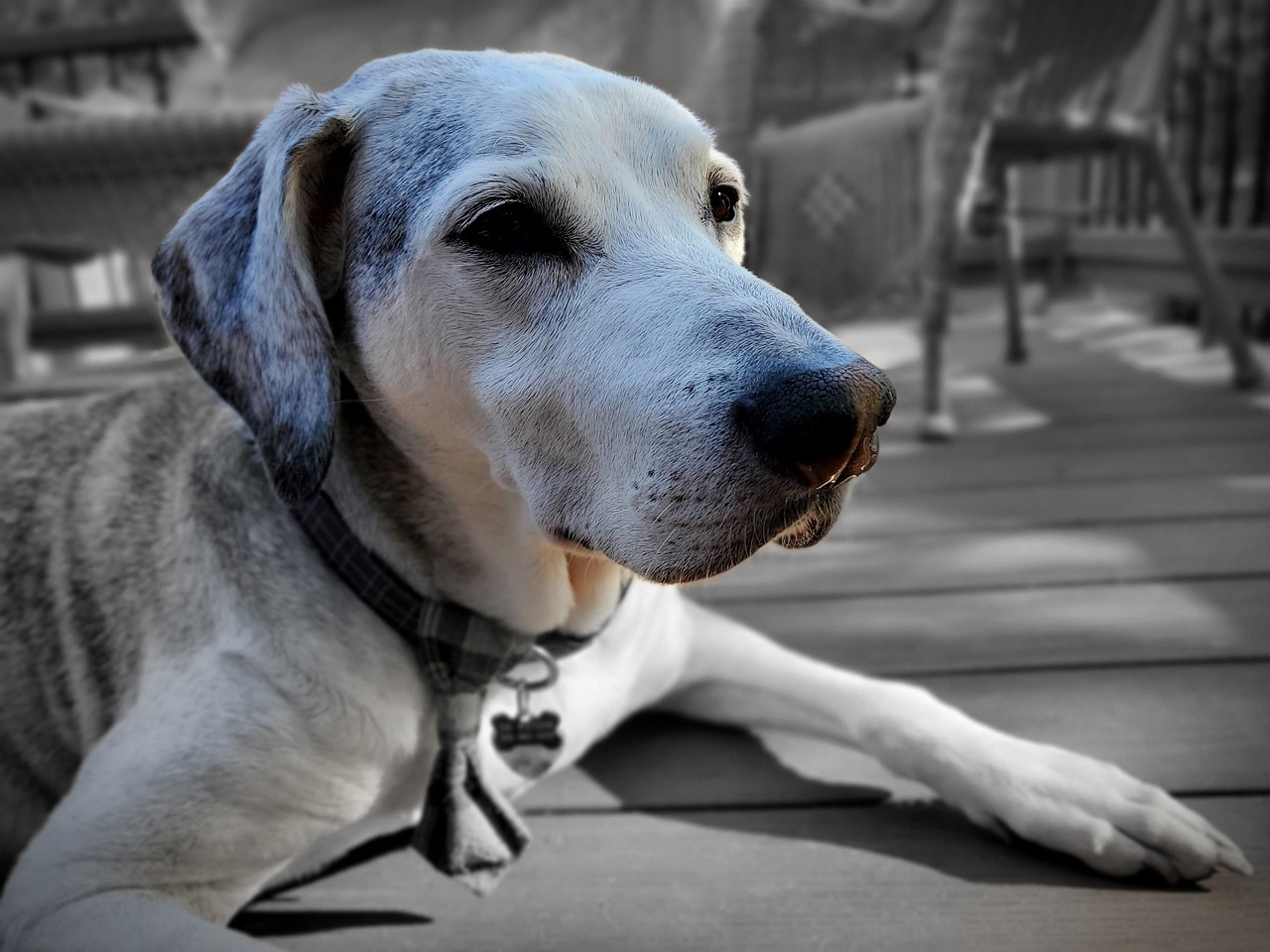

Understanding Your Senior Dog’s Needs
Traveling with senior dogs can be a rewarding experience, but it requires careful planning and consideration of their unique needs. As dogs age, they may face various health issues, including mobility problems, sensory decline, and increased anxiety in new environments. It’s essential to evaluate your senior dog’s physical condition before embarking on any trip. A visit to the vet ensures that your dog is fit for travel and allows you to discuss potential concerns. Likewise, understanding what accommodations they might need is crucial. Make sure to bring their favorite bed or blanket to provide comfort in an unfamiliar space. Additionally, pack essential items like medications, food, and any necessary medical supplies. Be prepared for several bathroom breaks to keep your dog comfortable and clean. Always keep a close eye on your dog’s behavior during the journey, as changes may indicate stress or discomfort. Finally, ensure your senior dog has a safe and secure space in the vehicle, using harnesses or travel crates designed for their comfort and safety. These steps promote a smooth travel experience for both you and your furry companion.
Preparing for Senior Dog Travel
Before heading out, it’s crucial to prepare not only for your destination but also for the journey itself. Research travel-friendly accommodations, as not all hotels or rental properties are equipped to handle senior dogs. Look for places that provide easy access, minimal stairs, and pet-friendly amenities. Some establishments offer special services catered specifically to older pets. Furthermore, consider your transportation method. If you’re flying, check airlines that cater to pets, and be sure to adhere to their guidelines for senior dogs. When driving, plan your route with dog-friendly stops where they can stretch their legs and take bathroom breaks. Enhance your dog’s comfort by keeping them secured in a well-ventilated area. Consider investing in a pet seat cover or blanket for a smooth ride. Additionally, prepare your dog emotionally by acclimating them to any carriers, crates, or harnesses beforehand. Familiarizing them with travel gear will minimize anxiety and help them feel safe. Sniff their surroundings when paused during travel, allowing them to explore. An easy-going approach can significantly ease their nerves and make for a more enjoyable journey.
On the day of travel, conduct a routine check of everything you have prepared for your senior dog. Bring their paperwork, including vaccination records and notes from the veterinarian regarding any health concerns. Staying organized is vital to ensuring all goes smoothly. Ensure their leash is reliable and sturdy, as well as their collar, which should include identification tags for added security. As you embark, keep a few entertaining toys to keep your dog occupied during longer stretches. The familiar items can provide comfort during moments of anxiety. Use soothing music or calming scents in the car to create a relaxed environment. Provide plenty of water to keep them hydrated and snacks for energy. Select their favorite or healthiest treats to bring along. When you reach your destination, take time to walk your dog and allow them time to acclimate to the new surroundings. This will help them feel more secure. Give them space to explore at their own pace, reinforcing positive behavior with praise or treats. This practice helps solidify a positive association between travel and new experiences, aiding their overall comfort and happiness.
Itinerary Management and Adjustments
As you plan activities during your trip, factor in your senior dog’s needs. Unlike traveling with younger dogs, activities should include plenty of downtime. Look for pet-friendly attractions or locations you can enjoy without straining your dog physically. Prioritize outdoor parks or quiet nature paths for comfortable strolls rather than busy streets that can overwhelm them. Adjust the itinerary based on your dog’s energy levels, giving them the opportunity to rest more frequently. Regular short trips can provide exposure to new sights and smells without the negative stress of being constantly on the go. Pack a battery-operated fan or portable water bowl for outings on warm days and never leave your dog alone in a vehicle. Take into account your dog’s behaviors to determine the best pacing for the trip. The goal is to maintain their comfort to have enjoyable experiences and ensure a stress-free travel adventure. Always remain flexible, allowing room for changes based on your dog’s needs and reactions throughout the day of exploration and adventure. Such attention strengthens your bond while giving your beloved companion a favorable travel experience.
Staying healthy during travel is essential for senior dogs. During the journey, keep an eye out for signs of distress, dehydration, or fatigue. Recognizing a drop in appetite or increased restlessness can be critical in ensuring their well-being. Regular breaks for snacks and potty are not merely conveniences but necessary for their health. Opt for nutritious snacks to provide energy and nutrients during your trip. Hydration is especially crucial; pack water bottles and collapsible bowls for easy access. Socializing is vital too, but be careful not to overwhelm your pet with excessive interactions. Observe your senior dog and ensure to protect them from overly excited children or other pets if they seem uncomfortable. If you notice any rapidly changing health concerns, don’t hesitate to consult a veterinarian immediately. Keeping a first aid kit with essential supplies can be a lifesaver. Include items such as gauze, antiseptic wipes and disposable gloves to manage minor issues in case they arise. Travel with peace of mind by being mindful of your senior dog’s health needs, creating a safe and comfortable environment for them throughout your journey.
Post-travel Recovery and Reflection
Upon returning home, allow your senior dog to unwind and relax. After a change in routine, it’s important for them to have their familiar space back to help ease any lingering stress. Gradual re-acclimatization will aid in their recovery and comfort. Keep their environment quiet and calm, giving them time to process the experiences from the trip. Some dogs may seek more cuddles or attention post-travel to feel secure, while others may need a brief period of solitude. Monitor for any changes in behavior, appetite, or activity level, and consult your veterinarian if necessary. Regular grooming can also refresh and comfort your older dog. It’s a great time to recheck health routines, ensuring their medications remain up-to-date and noting any pet-related appointments coming due. Reflect on the journey, making a note of what went well and what could be improved next time. Consider the travel routes, accommodations, and experiences that made your trip enjoyable. Such reflections pave the way for better travels in the future, enhancing bonding experiences while supporting additional joys along the way.
In conclusion, traveling with a senior dog requires thoughtful preparation and awareness. Starting with a solid plan ensures a positive experience for both dog and owner alike. It’s about understanding and adapting to the unique needs of your elder furry friend. Having essential health checks and tailoring itineraries to suit their preferences will set the path for joy and comfort. Many dogs thrive in new experiences when guided with care and love. Prioritizing short outings, familiar items, and environments can affirm their sense of security. Travel may present challenges, but with foresight, loving consideration, and practical adjustments, you can craft memorable journeys together. Last, always remember that patience is key; both for you and your senior companion. Each trip can enhance your bond while creating cherished memories that you’ll treasure. So, go ahead, plan that adventure, and make wonderful memories together! Ai long as you prioritize their comfort, health, and happiness—traveling with your elder canine can be a delightful experience worth embarking on. Thus, the journey of trust and companionship continues as you explore diverse destinations with your beloved pet.
This article underscores practical insights on making travel more enjoyable for senior dogs, emphasizing the importance of understanding their needs, preparation, and ensuring their comfort throughout the journey. Armed with these tips, pet owners can foster positive experiences, promoting easier transitions for senior dogs to new environments.