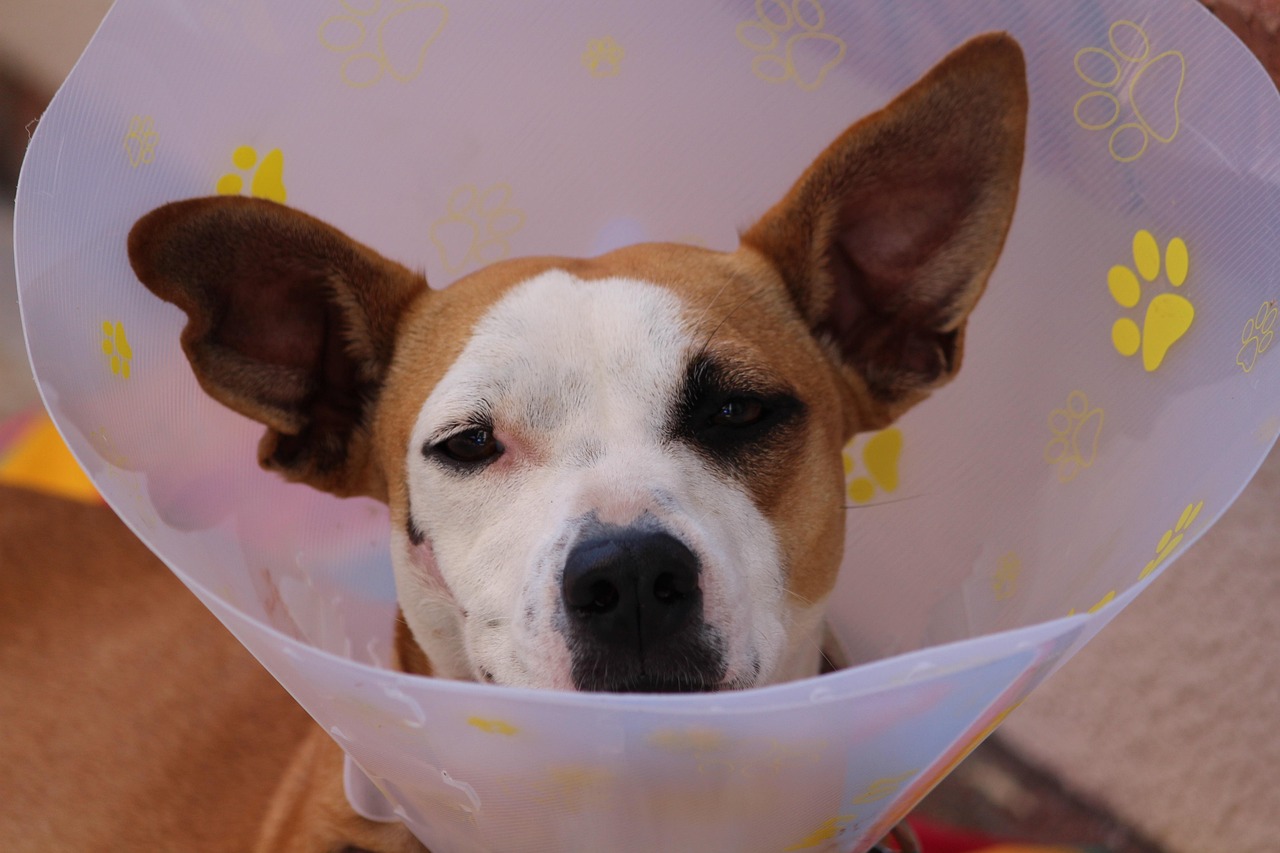

The Role of Environment in Healing Traumatized Dogs
Understanding the psychological impact of trauma on dogs is essential for their successful rehabilitation. Traumatized dogs often display fear, anxiety, or aggression, which can be exacerbated by their environment. Creating a safe and supportive environment is crucial to helping a traumatized dog recover. Key elements include minimizing stressors and providing consistent routines. When designing a healing space, consider the dog’s unique characteristics and triggers. For instance, some dogs may thrive in quiet settings, while others may benefit from more interactive stimulation with toys or activities. Essential components of a healing environment include positive reinforcement training and socialization opportunities with other pets and people, which can lead to improved behavior. Additionally, a well-structured routine can help foster a sense of security, enabling the dog to feel more at ease. Every dog is unique, and observing their preferences can play a pivotal role in creating the right environment. Always keep in mind that recovery is a gradual process. For successful rehabilitation, patience, understanding, and an accommodating space are paramount. Building a trusting bond between the owner and the dog is essential to their healing journey.
One crucial aspect of healing traumatized dogs is understanding their body language. Dogs communicate their feelings through various behaviors, such as tail positioning, ear movement, and facial expressions. Being attuned to these signals can help owners create a more sensitive environment tailored to the dog’s emotional needs. For example, a dog exhibiting a lowered tail might be feeling insecure or scared. Addressing these feelings can lead to a more effective healing process. Engaging in regular observation helps you understand triggers and the situations that provoke stress or anxiety in your dog. Moreover, consistent, gentle interactions can help overwrite negative experiences. This, coupled with positive reinforcement training, fosters a deeper trust between the owner and dog. Being aware of the location and nature of previous trauma is also essential, as the environment can evoke memories associated with those experiences. Stressful stimuli in the dog’s surroundings can hinder progress, making it critical to create a calm space. Providing a safe haven with a comfortable bed, quiet corners, and enriching activities can significantly benefit a traumatized dog. Understandably, every interaction shapes their perception, so a mindful approach is vital in this journey.
Establishing Routines for Stability
Establishing routines plays a vital role in the healing process of traumatized dogs. Predictable schedules help dogs know what to expect, reducing anxiety and providing a sense of stability. When dogs anticipate their daily activities, they naturally feel more secure in their environment. Routines should include regular feeding times, walks, and play sessions. When introducing a routine, it is essential to transition slowly, observing the dog’s comfort levels and adjusting accordingly. Gradually incorporating structured playtime into their schedules can foster resilience and confidence. Additionally, integrating relaxation techniques, such as quiet time and calming exercises, helps in reinforcing positive behavior. This stability also contributes to reducing undesired behaviors stemming from anxiety or fear. Consistency in the owner’s behavior and training approach goes hand-in-hand with establishing a routine. It is crucial for owners to remain patient, as adapting to change may take time for the dog. Regular training sessions can be included in the routine, and engaging in light sports keeps the dog physically active while promoting bonding with the owner. Successful implementation of such practices will help ease the dog into this positive healing journey, ultimately facilitating their recovery.
Another important factor in the healing environment for traumatized dogs is socialization. Exposing dogs to different people, places, and experiences helps to combat fears and anxieties linked to trauma. Positive socialization helps dogs develop confidence and fosters friendly behaviors towards others, both canine and human. Gradual exposure is critical; never force a traumatized dog into uncomfortable situations as it may trigger negative behaviors. Start with calm environments and individuals, gradually increasing the complexity of social interactions as the dog builds trust. Supervised playdates with other well-mannered dogs can also be beneficial. Such interactions can provide healing and teach valuable social skills. Moreover, enrolling in training classes where positive reinforcement is emphasized can accelerate the learning process. Consistent positive experiences create new, uplifting associations with their surroundings, promoting resilience. It is essential to celebrate small victories throughout the socialization process, fostering a sense of achievement for both the dog and the owner. Each positive encounter strengthens the bond between the dog and its owner, making the healing process more fruitful. Ultimately, socialization opens up a new world for traumatized dogs, aiding them in overcoming past traumas.
The Importance of Mental Stimulation
Mental stimulation is a fundamental component in the recovery of traumatized dogs, as it encourages cognitive engagement. Activities such as puzzle toys, scent games, and obedience training can provide the stimulation needed to keep their minds occupied and focused. Keeping a dog’s mind engaged reduces stress and anxiety, creating a balanced emotional state. Incorporating new challenges and experiences also builds their confidence and lowers the likelihood of negative behaviors. Offering variety in daily activities helps combat boredom, which can sometimes exacerbate trauma-related behaviors. Furthermore, enriching the environment by introducing sensory experiences like new smells, textures, and sounds can create a balanced atmosphere. Alternatively, incorporating relaxation-based activities, such as gentle massage or yoga, may help to calm anxious dogs and strengthen their bond with their owners. Regular mental exercise can also improve focus during training sessions, making learning faster and more enjoyable. When dogs feel mentally stimulated and emotionally supported, they become more adaptable to changes in their environment. In turn, this positive transformation supports their healing journey and ultimately contributes to rebuilding their confidence and trust.
A crucial aspect of supporting traumatized dogs is providing a nurturing environment. Creating a loving, attentive atmosphere can greatly aid in the healing process. Owners must focus on maintaining a constant, reassuring presence in the dog’s life. The application of gentle, positive reinforcement encourages trust and promotes positive behaviors. Celebrating small accomplishments fosters motivation in the dog and reinforces the bond between owner and pet. Moreover, owners should be aware of their own emotional state, as dogs are sensitive to their owner’s feelings. Encouraging safe spaces, such as cozy beds or quiet corners, allows dogs to retreat when they feel overwhelmed. Additionally, ensuring access to outdoor spaces where dogs can explore and interact with nature contributes to overall well-being. Allowing controlled interactions with other pets can also enhance social skills and promote emotional growth. Mindful actions during these moments create positive associations and memories for a traumatized dog. Ultimately, this loving environment plays a pivotal role in reducing anxiety and supporting a smoother recovery process. Owners must display patience while allowing their dogs to adjust to their new surroundings, as the goal is to create a safe, warm home for them.
Summary of Key Strategies
Finally, summarizing the key strategies for healing traumatized dogs can be incredibly beneficial for pet owners. Understanding the emotional effects of trauma, establishing a consistent routine, socializing cautiously, providing mental stimulation, and maintaining a nurturing environment are all vital components to the healing process. Owners should prioritize observation of their dogs’ behaviors to ascertain their needs better. As they create a nurturing space, it becomes essential to allow time for their dogs to adjust, celebrating each improvement along the way. Engaging in positive reinforcement training helps to reinforce desirable behaviors and create positive associations with their environment. Regular socialization while being mindful of the dog’s comfort levels further contributes to a well-rounded recovery plan. Ultimately, the journey to healing requires commitment, patience, and compassion from the owner. By integrating these strategies, owners can effectively facilitate their dog’s emotional recovery. Remember, every dog is unique and will heal at their own pace. A supportive and understanding approach will make a significant difference in the life of a traumatized dog, ultimately fostering resilience and a joyful life ahead.
As you embark on the journey of healing your traumatized dog, seeking guidance from a professional, such as a veterinarian or a certified dog trainer, can further enhance your approach. Professionals can provide valuable insights tailored to your dog’s specific case. Building support networks with other pet owners can also offer shared experiences and advice. Many resources, both online and offline, can assist in this healing journey. Remember, the road to recovery may be challenging, but it is also profoundly rewarding. The bond formed during this time can lead to a lifetime of unconditional love and companionship. Stay motivated and proactive as you navigate your dog’s rehabilitation. Foster a nurturing atmosphere that encourages steadiness during this healing process. A well-cared-for dog will not only thrive physically but will also develop the emotional resilience needed to overcome past traumas. Celebrate the progress and work towards a deeper bond with your furry friend. In due course, both you and your dog will experience the healing power of love and trust. By following these strategies and being attentive to their needs, every step forward can bring hope and joy into both of your lives.