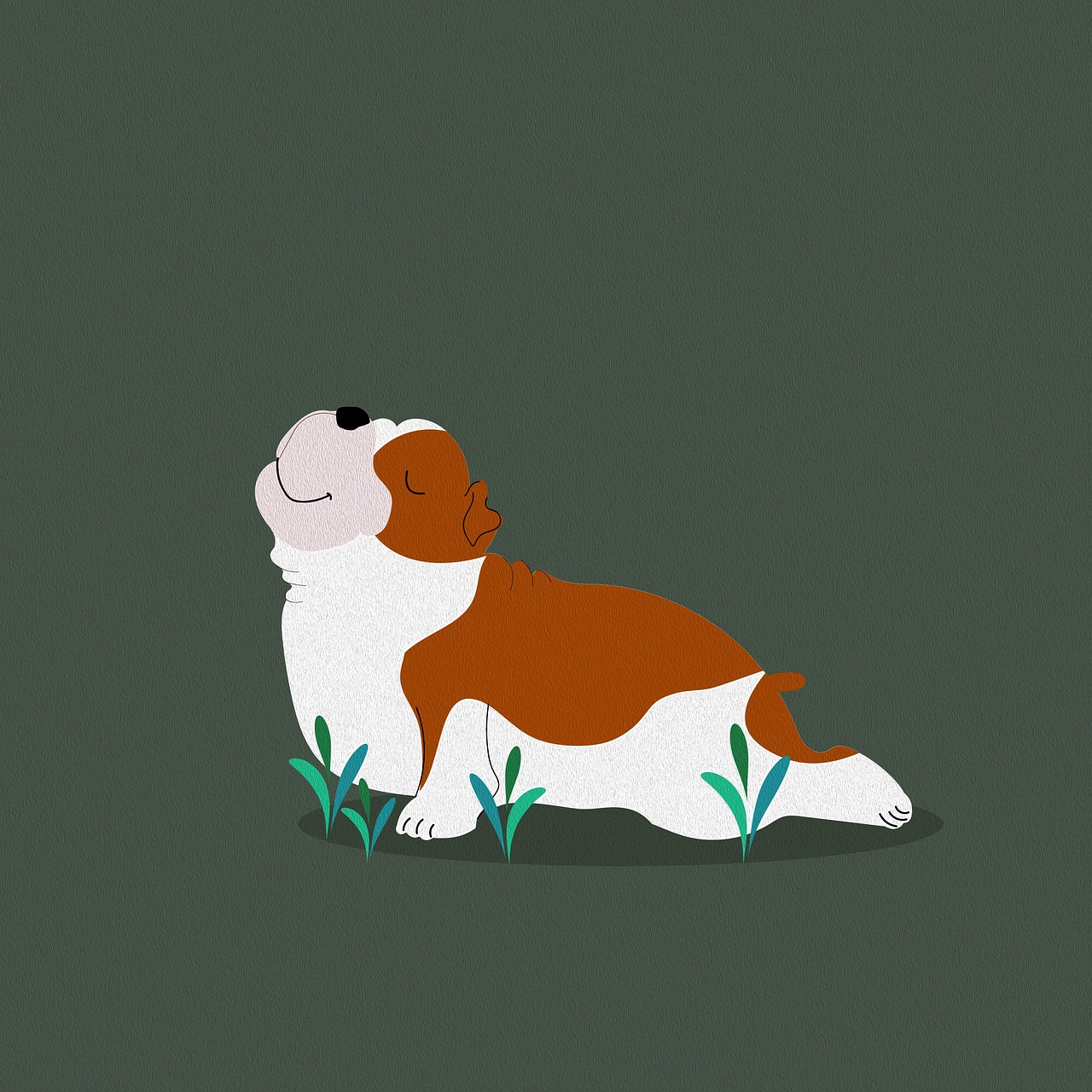

Stretching to Reduce Muscle Soreness in Dogs after Exercise
Stretching plays a crucial role in maintaining your dog’s overall health and athletic performance. Just like humans, dogs benefit from adequate stretching after physical activity. Muscle soreness can hinder their recovery and limit their enjoyment of future play sessions. Stretching promotes flexibility, reduces muscle stiffness, and enhances circulation, leading to more energy and quicker recovery times. Proper stretching routines can also help prevent injuries caused by overexertion. Dogs often engage in activities that can put strain on their muscles, and incorporating stretching can mitigate these effects.
This includes a variety of stretches targeting major muscle groups, such as the legs, back, and neck. For instance, gentle leg extensions, where a dog slowly extends its hind leg back before bringing it forward, can be very beneficial. Owners should ensure these stretches are performed slowly and comfortably to avoid any discomfort. Stretching after exercise helps expel lactic acid buildup that can contribute to soreness. Therefore, a consistent routine of post-exercise stretching can foster improved comfort and mobility for your dog.
Understanding the Benefits
A well-structured stretching regimen provides numerous benefits, paving the way for healthier and happier pets. Stretching improves blood flow to the muscles, elevating oxygen supply, while also promoting nutrient transport critical for muscle repair. Greater flexibility enhances your dog’s range of motion, allowing for more enjoyable activities. Additionally, stretching assists in targeting any tight areas, helping them to relax and release built-up tension. Regular post-exercise stretching can lead to calmer behaviors and a more balanced state of mind for dogs, which can improve their overall demeanor.
As an owner, facilitating an enjoyable routine can also strengthen the bond between you and your furry friend. Incorporating affectionate touches while engaging them in a stretching program boosts their comfort. Many dogs will respond positively to this type of interaction, making stretching a pleasurable experience. Observing your dog’s reactions can help in tailoring the routine to their specific needs, ensuring they derive maximum benefits. A regular stretching regimen can help reduce the risk of injuries and pain associated with muscle strain, significantly enhancing their quality of life.
How to Stretch Your Dog
Consider the following techniques while guiding your dog through stretching exercises safely. Start by choosing a calm environment free of distractions to help your dog feel secure. Begin with light, gentle movements, encouraging them to follow your lead. Gradually increase the intensity of the stretches but remain attentive to your dog’s comfort level. Give them ample time to adjust to each stretch, and always supervise to prevent overstretching, which could cause injury. Always use treats and positive reinforcement to motivate them.
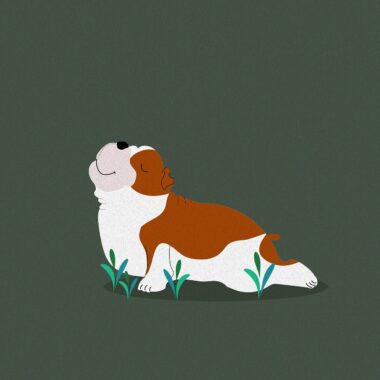
For example, while your dog stands, encourage them to reach their front paws forward, similar to a big stretch. Let them feel free to shake or adjust throughout the process, aiding in their comfort. Ensure you also incorporate side stretches by coaxing them to lean from side to side. These stretches can greatly improve their agility and flexibility. Dogs vary significantly in their perceived limitations, so it’s essential to observe their individual needs during the stretching process, adapting routines as needed.
Signs Your Dog Needs Stretching
As an attentive dog owner, being observant is key when identifying potential signs your dog may need stretching. If your dog appears stiff, hesitates to play, or has difficulty transitioning from rest to activity, those could indicate tight muscles. Additionally, you might notice them limping or favoring one leg over another; these may also be signs of muscle soreness or strain. Watch for hesitance in movements; stretching can help alleviate these discomforts! Engaging in a consistent stretching routine can readily ease these issues.
Monitor their behavior after exercise and recognize patterns related to soreness. If they frequently exhibit signs of post-activity discomfort such as whining, or sore muscles after playtime, integrating stretching into their lifestyle can be particularly beneficial. Proper stretching helps prevent unpleasant experiences during subsequent exercise. By fostering a regular stretching routine, you can enhance your dog’s quality of life, paving the way for healthier, more fulfilling canine adventures together. Therefore, make stretching an integral part of your dog’s exercise plan for optimum benefits!