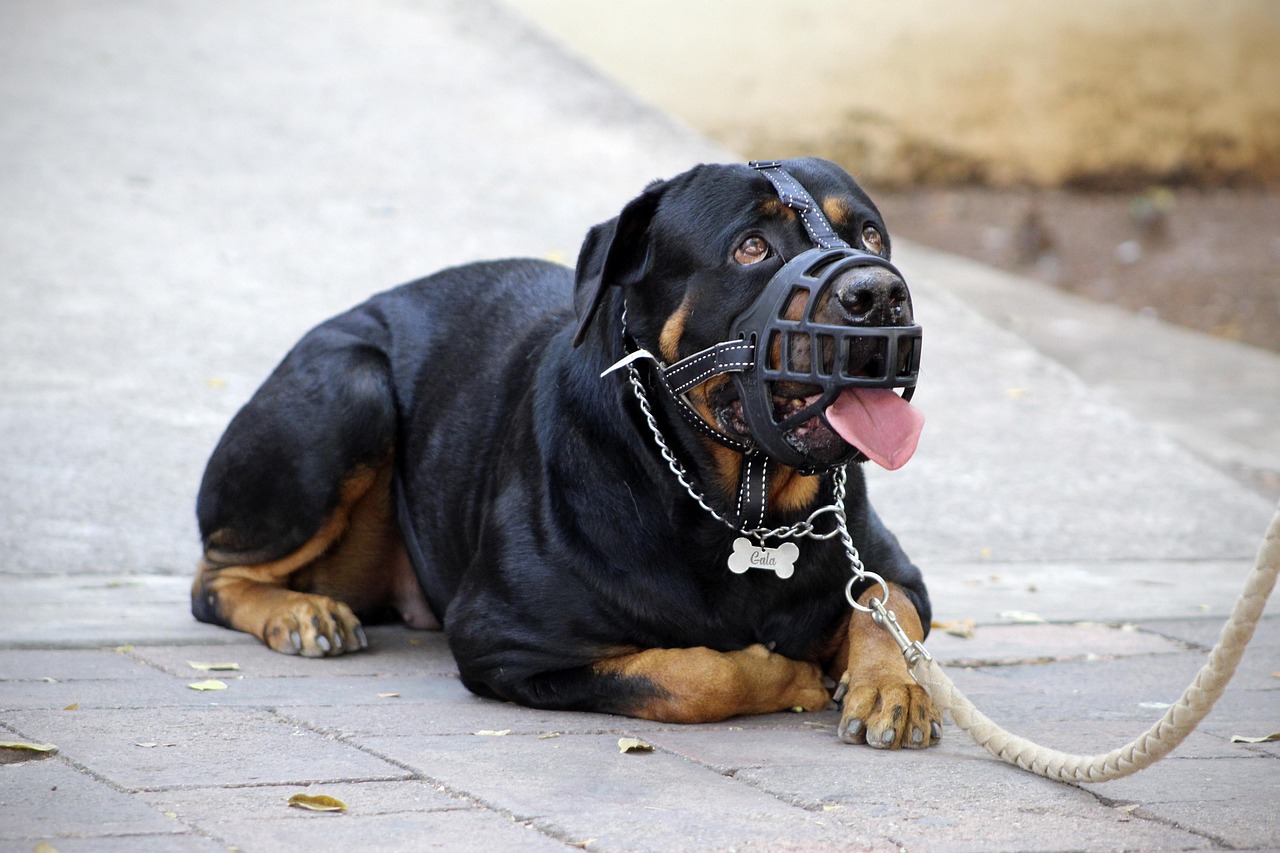

The Importance of Proper Muzzle Use in Dog Socialization
Dog socialization plays a critical role in the overall development of our canine companions. When we mention socialization, it generally refers to the processes through which dogs learn to interact positively with various people, animals, and environments. Without proper socialization, dogs may exhibit fear or aggression towards unfamiliar stimuli, making handlers wary and creating dangerous situations. Therefore, utilizing proper training tools, such as muzzles, can help ensure safe interactions. Muzzles, when used correctly, enable dogs to safely engage in socialization activities while minimizing risks. It is essential to differentiate between poor and acceptable muzzle use, emphasizing training and positive reinforcement strategies. Muzzles should never be seen as tools of punishment but instead as safety mechanisms that foster safer socialization experiences without causing unnecessary stress. Understanding the various types of muzzles available on the market enhances selection through informed choices. Each muzzle serves different purposes and fits specific breeds better than others, which is one aspect dog owners must consider. Moreover, gradual acclimation of the muzzle can significantly enhance a pet’s comfort during wear, leading to greater acceptance over time.
Dogs often react to muzzles with uncertainty, and it is crucial that we acknowledge these feelings during the training phase. A well-adjusted dog will adapt quicker to wearing a muzzle, showcasing positive associations from the start. To achieve this, begin the desensitization process by allowing the dog to familiarize itself with the muzzle on their terms. Use treats and positive reinforcement to create desirable experiences linked with muzzle wear. Over time, dogs will begin to view the muzzle as a non-threatening object instead of something to fear. Remember, patience is vital in this phase, as rushing this process may lead to adverse reactions. As the dog grows more comfortable with the muzzle, gradually increase its duration of wear during social interactions. The choice of muzzle type significantly impacts their comfort; basket muzzles are generally preferred as they allow for panting and drinking, thereby not compromising the dog’s natural behaviors. In addition, understanding your dog’s body language remains imperative while they wear a muzzle in social settings, as signals of discomfort or stress can arise. Always monitor reactions closely to allow for quick adjustments whenever needed, enhancing the experience for both dog and handler.
The Role of Muzzles in Socialization Training
Using muzzles safely during socialization training fosters a secure environment, allowing dogs to explore various encounters without escalating situations. Through proper muzzle use, trainers can encourage more balanced introductions between different dogs and other animals. This practice helps mitigate possibilities of aggression while simultaneously increasing confidence levels during those interactions. When implemented effectively, muzzles can improve communication between dogs, allowing them to learn appropriate social boundaries without the risk of physical harm. Muzzles also promote an understanding that positive and negative experiences during social facilitation can significantly influence long-term behavior. As dogs become accustomed to various stimuli with a muzzle, owners may notice decreased overall anxiety when encountering unfamiliar environments. Proper training incorporates engagement and allows the dog to remain an active participant in its learning journey. Selecting the right muzzle type is essential for effectiveness, as different breeds and individual behaviors may require tailored solutions. Sharing insights on introducing muzzles among pet owners also fosters community awareness regarding responsible training practices, encouraging open dialogues about behavior challenges that might arise.
In practical terms, trial and error may prove necessary to find the most suitable muzzle for a specific dog. Beginning with a well-fitting muzzle that adheres to safety guidelines is essential for comfort. Our primary goal should focus on making every social interaction as positive and enjoyable as possible, especially in initial phases. This approach leads to genuine experiences without the worry of constant correction associated with traditional training methods. With a proper muzzle, dog owners can build a strong foundation for future social engagements. It allows them to practice appropriate behaviors while preventing any potential aggressiveness. Furthermore, families can utilize muzzles when exposing their dogs to social gatherings, enhancing their confidence levels while minimizing harmful encounters with unfamiliar guests. Encouraging controlled interactions while wearing a muzzle nurtures a much healthier dynamic, easing fears associated with new situations. As dogs build essential skills during these practice interactions, transitioning out of the muzzle becomes easier and often reinforces a confidence that persists beyond the training process. These skills gained significantly impact the dog’s eventual integration among broader social circles.
Conclusion: Embracing Positive Muzzle Experiences
As we conclude, embracing positive experiences with muzzles can greatly impact the lives of both dogs and their owners. Helping dogs become accustomed to wearing muzzles early on ensures their comfort levels grow while interacting with new people and environments. This strategy promotes peaceful coexistence in social situations, ultimately benefitting the welfare of pets and those they encounter. Furthermore, educating the community about the advantages of appropriate muzzle usage during training can quell misconceptions surrounding their necessity. Encouraging owners to pursue humane training techniques underscores the dog’s well-being, presenting a case for the importance of socialization in everyday life. With appropriate guidance and knowledge, dogs can overcome fears and aggression linked with unfamiliar experiences while donning a muzzle. Working together with trainers and communities fosters a more accepting atmosphere surrounding this critical aspect of dog ownership. By advancing positive muzzle experiences grounded in love and safety, owners can significantly improve their dogs’ quality of life while ensuring harmonious environments for everyone involved in those encounters.
Moving forward, each dog owner should aspire to reflect on personal experiences and training practices regarding muzzles and socialization. Engaging with local dog training resources and classes can provide further insights into successful techniques. Participating in workshops promotes a sense of community, aiding dog owners in learning from each other’s successes and struggles. Additionally, considering professional assistance for training sessions may help overcome specific hurdles that individual dogs may face. Owners must value their commitment to ensuring their pets’ well-being, emphasizing the idea that responsible ownership means prioritizing safety. Fostering trust and building solid foundations encourages a mutually beneficial relationship between dogs and humans alike. Alongside proper socialization strategies, employing a muzzle correctly contributes to a brighter, more harmonious future for pets and their owners. It becomes a vital responsibility that demands our attention and dedication while working toward healthy interactions. Thus, learning and sharing knowledge around muzzle usage should remain at the forefront of dog training conversations, enriching the understanding of its significance in successful socialization.
Continuing Education and Community Engagement
The journey towards mastering dog socialization with a muzzle should never falter; continuous education and community involvement are vital components. Staying informed about recent developments regarding training techniques assists owners in maintaining relevancy in best practices. Join online forums and attend local events designed to inform the public about safe dog ownership principles. Participating in seminars reinforces knowledge of behavioral cues and effective techniques for using muzzles favorably, benefiting countless dogs through proper ownership. As each dog engages with various partners, nurturing positive experiences can transition to broader community acceptance, paving the way for future activities. Navigating social environments successfully enhances not only the dog’s life but also reinforces the bond shared between owner and pet. Alongside education, building relationships with other dog owners who understand the importance of proper training tools provides solace during unpredictable experiences. Ultimately, learning from like-minded individuals enriches both personal growth and the dog’s behavior over time, nurturing a bond that thrives on understanding and compassion. Therefore, recognizing and embracing innovative tools like muzzles will lead to a brighter future in dog socialization and stronger community connections.
The exposure to diverse encounters creates well-rounded dogs that contribute positively to society, thereby enhancing the overall dog-human relationship. Encouraging this practice should remain an ongoing priority, cultivating a safe environment for all while also celebrating successful milestones achieved through dedicated training and socialization. Reflection on the importance of proper muzzle use amplifies our understanding within this field, further improving our furry friends’ lives. With each dog successfully socialized and acclimated to muzzle wear, we’re collectively investing in a kinder future where canines and humans coexist harmoniously. Promoting knowledge and sharing experiences will serve as the foundation for improvement as we navigate this essential aspect of dog ownership. Together, we can ensure our pets thrive and flourish in various settings while minimizing anxiety and fear. Fostering an environment that embraces proper training tools, like muzzles, highlights a commitment to understanding the complexities of socialization. Cultivating an inclusive community around this dialogue paves the way toward a brighter future in dog ownership overall, lending a resilient approach to achieving harmony in our shared environments.