
Managing Chronic Orthopedic Pain in Aging Dogs
Chronic orthopedic pain in aging dogs can significantly impact their quality of life. This issue can arise from various sources, including arthritis, hip dysplasia, or other degenerative joint diseases. Recognizing the signs that your dog may be suffering from chronic pain is crucial. Common symptoms include lethargy, difficulty in walking or jumping, and reluctance to engage in physical activity. Owners should understand that some dogs may hide their pain, making it difficult to recognize. Frequent visits to the veterinarian are essential to monitor their condition effectively. Pain management strategies should be discussed thoroughly. Treatments vary from medications to holistic approaches. Non-steroidal anti-inflammatory drugs (NSAIDs) can help alleviate inflammation and discomfort. Furthermore, joint supplements like glucosamine and chondroitin can support joint health and mobility. Regular exercise is equally important; low-impact activities can help maintain flexibility and strength. It’s vital for pet owners to work closely with their veterinarians to develop a tailored pain management plan. This ensures each dog’s unique needs are met, enhancing their comfort and longevity. Providing a supportive environment at home can also make a significant difference in their overall well-being.
Understanding the Causes of Orthopedic Pain
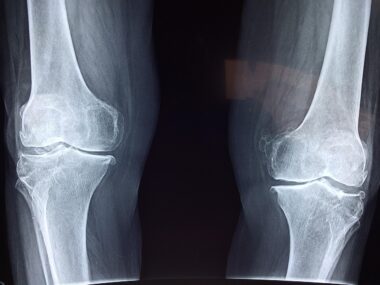
Aging dogs often experience orthopedic pain due to several underlying conditions. One of the most common is osteoarthritis, characterized by the degradation of joint cartilage. This leads to increased friction between bones, resulting in pain and inflammation. Osteoarthritis can develop due to age, obesity, or injury. Another prevalent cause is hip dysplasia, a genetic condition where the hip joint doesn’t fit properly. This results in joint instability, causing discomfort as the dog ages. Similarly, elbow dysplasia is another genetic factor often seen in larger breeds. Injuries such as fractures or ligament tears can also lead to lasting pain if not properly treated. Spinal issues, including degenerative myelopathy and intervertebral disc disease, can contribute to overall discomfort in older dogs. Recognizing the cause of orthopedic pain allows for targeted treatment strategies. Getting your dog evaluated by a veterinarian ensures accurate diagnosis and appropriate care. In many cases, early intervention can prevent further degeneration and improve quality of life significantly. Monitoring your dog’s weight and activity levels can also help mitigate these issues. Adopting a proactive approach will greatly benefit your aging canine companion.
Chronic pain management requires a multifaceted approach. Medication is often the first line of defense, especially in severe cases. Veterinarians commonly prescribe NSAIDs, which can significantly reduce pain and inflammation. Recently, alternative treatments have gained popularity among pet owners. Acupuncture can promote healing and pain relief through targeted energy flow. This method has proven effective for many dogs, providing comfort and improved mobility. Physical therapy is another viable option. Techniques like massage and strength-building exercises can help restore function and reduce stiffness in affected joints. Additionally, hydrotherapy allows dogs to exercise with minimal impact on their joints, enhancing overall fitness. Diet and nutrition play crucial roles in managing chronic orthopedic pain. Maintaining a healthy weight can alleviate excess pressure on joints. Here, high-quality dog food with anti-inflammatory properties can be beneficial. Seeking the expertise of a veterinary nutritionist might provide valuable guidance in choosing the right diet. Regular assessments are vital to determine the effectiveness of chosen treatments. Combining various therapeutic strategies often yields the best results, ensuring your dog remains happy and active in their later years.
Home Care and Comfort Strategies
Creating a comfortable living space for your aging dog is essential. Soft, supportive bedding can help relieve pressure points, reducing discomfort during rest. Orthopedic dog beds specifically designed for joint support can significantly improve your dog’s quality of sleep. It’s beneficial to provide ramps or stairs for access to vehicles or favorite spots, alleviating stress on their joints. Keeping a consistent routine also helps in managing their anxiety and pain levels. Regular, gentle walks can maintain mobility without overexertion. Monitoring their activity closely is key to preventing flare-ups of pain. Make sure to provide plenty of water and nutritious snacks to support their overall health. Offering interactive toys can keep their minds sharp, offering mental stimulation that contributes to happiness. Recognizing their limits and adjusting daily activities accordingly is paramount. Establishing a warm, loving environment can greatly enhance their emotional well-being. Regularly check for any changes in behavior or physical condition, which may indicate increased pain or discomfort. Keeping an open line of communication with your veterinarian ensures that adjustments can be made to their care plan as necessary.
Incorporating alternative therapies into your aging dog’s care can enhance their comfort. Many pet owners turn to physical modalities like hydrotherapy, which uses water resistance for low-impact exercise. This therapy can aid in pain reduction while maintaining joint mobility. Other options include laser therapy, which promotes healing through light exposure. It’s crucial to consult with a veterinarian trained in alternative therapies to discuss the most suitable options for your dog. Furthermore, some pet parents find success with herbal supplements. Ingredients like turmeric contain anti-inflammatory properties beneficial for managing chronic pain. While managing chronic pain, consider incorporating joint supplements that can help improve your dog’s overall well-being. These supplements usually contain beneficial components such as omega fatty acids and hyaluronic acid, promoting joint health. When including any new treatments or supplements in their routine, it’s essential to discuss them with your veterinarian beforehand. Monitoring your dog’s response to any new treatment is critical in optimizing their pain management strategy. Establishing a comprehensive and flexible care plan will enhance your dog’s comfort, happiness, and quality of life as they age.
Importance of Regular Veterinary Visits
Having regular veterinary check-ups is vital for aging dogs, especially those managing chronic orthopedic pain. These visits allow for early detection of any worsening conditions or additional complications. Your veterinarian can assess the effectiveness of current treatments and adjust medications or therapies as necessary, ensuring that your dog receives the best possible care. Furthermore, these appointments provide an opportunity for the veterinary team to answer any questions about your dog’s well-being. Understanding the nuances of your dog’s condition will empower you as a pet owner and help to make informed decisions regarding their health care. Some clinics may offer specialties in pain management, utilizing advanced diagnostic techniques to tailor pain relief protocols. This can be a valuable asset in managing your dog’s chronic pain effectively. At these consultations, be sure to discuss any changes in your dog’s activity levels or behavior. Keeping a detailed report can provide essential insights into their emotional status and physical health changes. A collaborative approach between pet owners and veterinarians ensures the longevity and quality of life for aging dogs suffering from orthopedic disorders.
Although managing chronic orthopedic pain in aging dogs can be challenging, many strategies can improve their quality of life significantly. By understanding the causes, seeking appropriate treatments, and providing comprehensive care, you can make a meaningful difference in your pet’s daily experiences. Engaging in proactive strategies means you can reduce pain and enhance mobility effectively. Gathering support from your veterinarian regarding medications, therapy options, and dietary considerations will streamline the management process. Focus on creating a supportive home environment filled with love and understanding inspires confidence in your aging dog. The bond between you and your pet can greatly influence their outlook and motivation during these years. Finding a balance of physical activity and rest is crucial in keeping their spirits elevated. Always keep an eye on their behavioral cues to gauge comfort levels and tiredness. Use this knowledge to adapt their routines as necessary. Be patient with your furry friend, as adaptations may take time. Ultimately, the effort you invest in managing their orthopedic pain will reward you with happy moments and cherished memories during their golden years.