
Using Dog Training Whistles for Off-Leash Training Success
When it comes to off-leash training, using dog training whistles is an effective strategy. Whistles provide a consistent sound that is easy for dogs to hear, even at great distances. Unlike verbal commands, a whistle has a unique tonal quality that can cut through environmental noises, allowing your dog to focus on your cue. This is especially beneficial in busy areas. Additionally, using a whistle can help in reinforcing commands. The whistle sound can become associated with positive reinforcement, such as treats. Therefore, each time you use it, your dog learns to respond quickly. Training with a whistle can also help maintain training consistency. Since multiple people can blow the same whistle tone, everyone involved in the training can use the same command. This consistency can enhance your dog’s responsiveness with various handlers. Furthermore, whistles can be easily carried and are lighter than other tools, making them ideal for outdoor training. By using dog training whistles, you can enhance your dog’s obedience. This leads to a more relaxed and enjoyable experience for both the owner and dog during off-leash activities. The benefits are considerable and worth exploring closely.
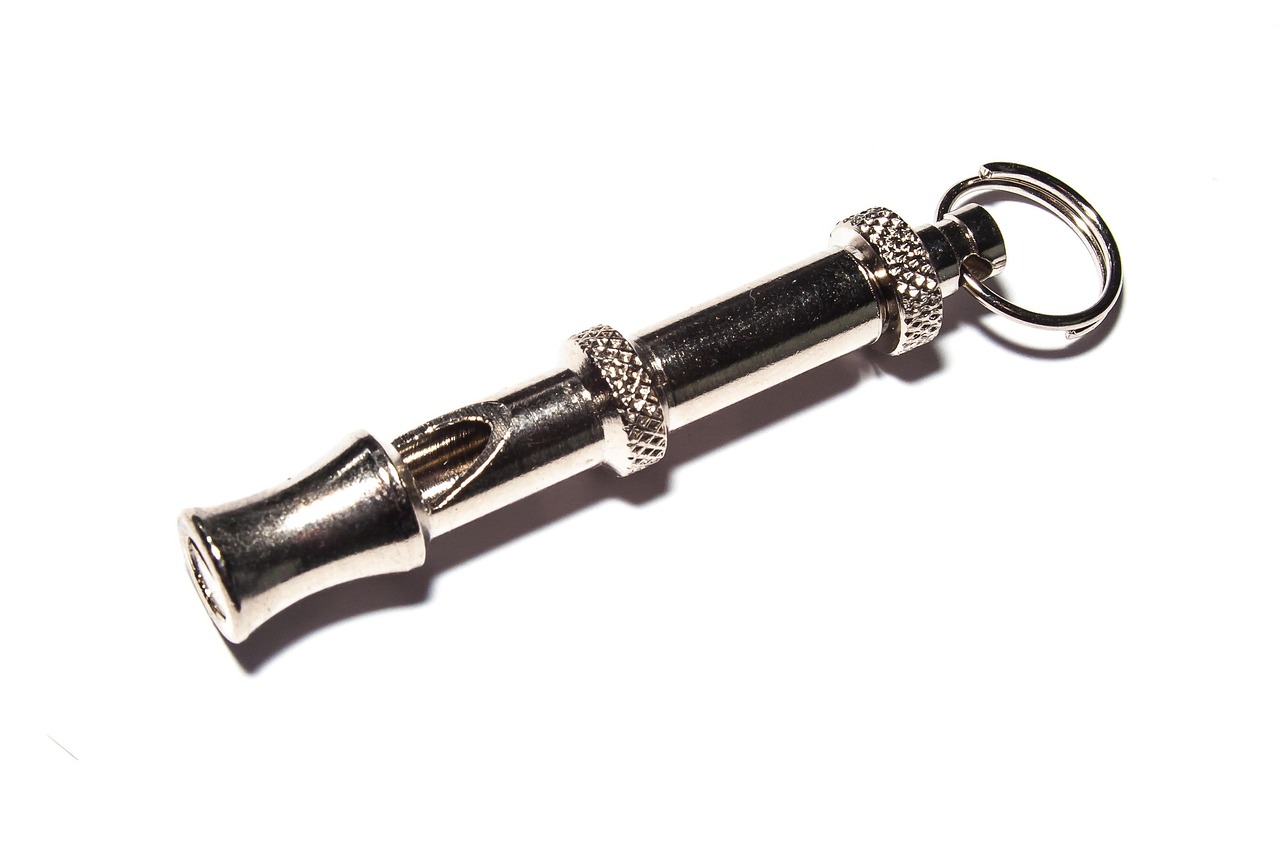
Dog training whistles come in different types and styles, which cater to the specific needs of you and your furry friend. Depending on your dog’s breed, size, and hearing ability, choose a whistle that produces a sound that’s easily audible to them. Some whistles are adjustable and allow you to modify the pitch, ensuring your dog can hear it clearly. For example, a small dog may require a high-pitched whistle, while a larger dog may respond best to a lower pitch. Investing in a field-tested whistle that can withstand outdoor conditions is essential. Make sure it’s lightweight and easy to handle. You’ll also want to familiarize yourself with proper whistle techniques. Practice blowing it consistently, as varying your tone can confuse your dog. Additionally, consider incorporating hand signals with your whistle commands. This can help your dog understand commands better, especially in noisy environments. The combination of whistle sounds and visual cues will make your training session more effective. Moreover, keeping the sessions short and fun encourages quick learning. Always end on a positive note so that your dog associates the experience with joy and not fatigue.
Building a Solid Foundation with Whistle Training
To build a solid foundation for your off-leash training, start with basic commands. Use the whistle in a quiet environment initially to help your dog learn its significance without distractions. Pair the whistle sound with rewarding treats every time your dog responds appropriately. This will create a positive association with the whistle, reinforcing desired behaviors. Always maintain consistency in your commands, as this helps your dog understand what’s expected. Progressively increase the distance between you and your dog over time. Keep practicing in various environments to challenge your dog’s focus and adaptability. Gradually introduce distractions like people or other animals. This enhances your dog’s ability to listen and respond to the whistle, even when they’re excited. The consistent use of these techniques enhances the effectiveness of your off-leash training. Incorporating play into training can also motivate your dog to respond better. Besides practicing commands, engaging in fetch or hide-and-seek games can strengthen your bond while reinforcing your commands. Ultimately, this makes training enjoyable and builds trust between you and your dog. Off-leash training can reshape outdoor adventures into safe, delightful experiences for both of you.
Moreover, whistle training promotes good recall skills in your dog. It teaches them to return to you promptly when called. This skill is vital, especially during outdoor adventures when it’s essential for dogs to come back immediately. To enhance recall training, choose a specific whistle pattern that signifies it’s time to return. Practice this pattern regularly, especially during fun activities, to ensure your dog begins associating it with coming back. Ensure you reward your dog generously each time they respond correctly. Praise and treats will strengthen their recall connection and create a positive habit. On the flip side, avoid calling your dog to punish them; this can lead to negative associations. If your dog doesn’t respond to the first whistle call, avoid repeating the call multiple times. Instead, go to them with excitement, encouraging them to come closer to you. This fosters trust and reinforces the idea that returning to you is rewarding. Remember, patience and consistency are key during this process. If your dog struggles initially, it’s essential not to lose hope. Eventually, your dog will learn the importance of the vocal recall signal and respond eagerly.
Common Mistakes to Avoid in Whistle Training
While training with a whistle, avoid common mistakes that could hinder your efforts. One frequent error is inconsistency in using the whistle. Users should ensure that everyone using the whistle is on the same page regarding commands. If one person uses a different tone or technique, it may confuse your dog. Consistency in the whistle sound and associated commands is vital. Another mistake is correcting the dog after they respond incorrectly to the whistle. Training should remain positive; correcting them can lead to an aversion to the whistle. Instead, reward good behavior, and ensure corrections are clear and fair. Additionally, time management is crucial; short training sessions are preferable, as dogs have limited attention spans. Recognize when your dog is losing focus and take a break. Ensure you remain upbeat to foster a fun environment. Furthermore, don’t neglect your dog’s body language during training. Understanding what your dog is communicating can provide invaluable insights into their learning process. By avoiding these common missteps, you will ensure a smoother, more effective training experience that positively impacts your dog’s behavior.
Besides training, maintaining a positive atmosphere during each session is essential for long-term success. Dogs learn best when they feel relaxed and happy. Incorporate fun elements like toys or games to keep your dog’s spirits high. A well-timed play break can re-energize your dog and make them more enthusiastic about learning. Transitioning back to training after a play session can further enhance your dog’s focus and willingness to learn. Always recognize their efforts and provide ample praise. This encourages better performance and reinforces their bond with you as a trainer. Keep sessions varied by introducing new commands or tricks. This combats boredom and keeps your dog looking forward to training. Utilize the whistle for many activities, including recall, tricks, or song-like fun sounds that your dog enjoys responding to. The variance in training helps your dog engage fully and reduces any anxiety associated with learning. Remember, patience is paramount. Reflect on your training methods if you face challenges. Tailor your approach to fit your dog’s personality and needs, ensuring they feel supported as they learn. Such an environment maximizes your dog’s success and strengthens your connection.
Final Thoughts on Whistle Training for Off-Leash Success
In conclusion, dog training whistles play a vital role in off-leash training success. By using whistles effectively, you ensure a smoother communication channel between you and your dog. They are practical tools that can greatly enhance obedience. Once you establish a reliable signal, your dog will learn to trust the cue, leading to a safer environment. Adopting these training techniques opens the door to a wide range of activities together. Activities such as hiking, playing in parks, or simply enjoying playtime will become much more manageable with proper training. The bond between you and your dog will also strengthen through this process. By focusing on building trust, utilizing positive reinforcement, and practicing actively, you will witness significant improvements over time. Moreover, the versatility of using whistle commands can aid in many scenarios beyond training. It will ensure your pet remains safe in various circumstances. Overall, investing time in learning proper whistle techniques and applying them consistently is well worth your effort. Dog training whistles, when used correctly, allow you and your dog to enjoy every aspect of your time together confidently.
Ultimately, incorporating these strategies leads to a remarkable off-leash experience. The process will forge a better understanding between you and your furry companion. Always keep in mind that off-leash training requires diligence and patience. The rewards come with time, effort, and consistency. So, embrace each training session as an opportunity to grow together and have fun. As you navigate through the world of dog training whistles, remember: success is a journey, not a destination. Celebrate each of your dog’s progresses, no matter how small. It’s the little milestones that pave the way toward substantial change. Building a strong bond and having fun together will make all the hard work worthwhile. Plus, you will instill a sense of freedom in your dog while maintaining safety. So go ahead, explore the world with your dog off-leash while enjoying everything that comes with a well-trained pup. Together, you can enable wonderful adventures that enrich both of your lives. Follow these guidelines, keep practicing, and soon you’ll see the fruits of your labor manifesting in a happy, obedient, and confident off-leash dog.