
Massage Versus Other Canine Stress Relief Methods
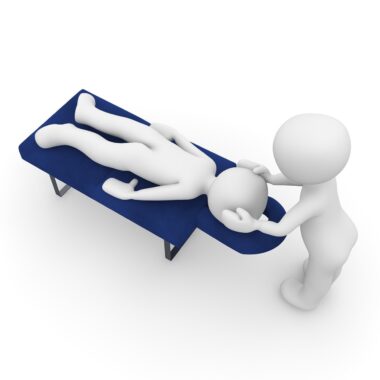
When considering canine stress relief, various methods exist, with dog massage gaining popularity. Dog massage is fundamental in promoting relaxation, increasing circulation, and easing muscle tension. The benefits of massage therapy extend to emotional well-being as well, reducing anxiety in pets. Other stress relief techniques, such as exercise and meditation, can be effective too. Exercise allows dogs to release pent-up energy, enhancing their mood and overall behavior. Meanwhile, meditation techniques, involving calming sounds or yoga for dogs, may help in creating a serene environment. Natural supplements, like chamomile or valerian root, can also play a role. These supplements can promote relaxation without sedation, while also aligning with holistic approaches. It’s crucial for dog owners to explore individual dog needs to identify the optimal method for their pet. A careful combination of techniques, including massage, can yield the best results. Always consult a veterinarian before introducing new relaxation methods to ensure the safety and well-being of your canine companion. Establishing a routine that incorporates massage can significantly enhance a dog’s quality of life and comfort levels during stressful situations. Adjusting various techniques based on the dog’s response is crucial for optimal results.
Understanding the differences between various stress relief methods for dogs is essential. Dog massage, compared to techniques like aromatherapy, uniquely impacts the animal’s physical and mental state. Aromatherapy may provide a calming atmosphere, whereas massage actively engages bodily functions. The tactile sensation of massage helps in releasing endorphins that ease stress. Additionally, dog massage fosters a deeper connection between the pet and the owner. Building trust and comforting rapport enhances the dog’s sense of security. While supplements can indeed assist in stress management, they do not replace the importance of physical touch. Establishing a tranquil environment complements massage therapy tremendously. This may include soft music, a relaxing space, and dimmed lights. Some dogs may respond better to certain techniques depending on their personality or past experiences. Observing your dog during different methods can provide insights into what helps them most. Alternative methods like acupuncture might also work alongside massage and provide additional benefits. Each canine is unique, and tailoring stress relief approaches is essential for success. Ultimately, a combination of massage, environmental adjustments, and other techniques can lead to the most effective results for stress relief.
Many dog owners wonder which method effectively alleviates stress in their pets. Understanding various techniques can lead to better choices tailored to individual dogs. Massage stands out because it can be performed at home, allowing for consistency. The personal touch of an owner performing massage enhances the bond and relaxation experience for the dog. Other methods, like professional grooming or vet visits, can sometimes induce stress rather than relieve it. These situations might not be comfortable for every dog, especially if they have had negative experiences. Learning to recognize this distress is fundamental for any dog owner. Tracking behaviors before and after incorporating different techniques can provide insights into their effectiveness. Tools like calming wraps or dog-specific anxiety toys also play significant roles but lack the emotional depth provided by massage. Owners should remember that what works for one dog may not work for another. Create an adaptable routine incorporating various methods, including massage, to ensure a holistic approach to stress relief. Emotional healing through touch can lead to happier, healthier dogs, making the effort worth it in the long run. Continually assessing your dog’s responses will guide future adjustments.
Integrating Techniques for Holistic Stress Relief
For optimal canine wellness, combining dog massage with other stress relief methods offers a balanced approach. Each technique has unique benefits that complement the others effectively. For instance, while massage increases blood flow and promotes energy release, other techniques help distract or calm anxious dogs. Proper nutrition and hydration also play vital roles in overall relaxation. Dogs fed high-quality diets may experience less anxiety than those with poor nutrition. Incorporating regular playtime not only strengthens the human-animal bond but also drastically improves psychological health. Implementing a consistent schedule that intertwines play, massage, and relaxation can establish a serene ambiance. Some pet owners opt to attend specialized classes or workshops to hone their massage skills. Connecting with professional canine massage therapists can provide insights into proper techniques, ensuring effectiveness. Regular check-ins with a veterinarian ensure these methods align with the dog’s health status. Additionally, recognizing life changes in pets can prompt the need for varying techniques as stressors evolve. Discussing these events with a vet or dog behaviorist ensures a thorough approach to stress reduction. Keep track of what combinations prove most effective in easing your pet’s stress levels and adjust accordingly.
Another consideration is recognizing the importance of relaxation after adopting new methods. For dogs, transitioning to massage might require adjustment periods where they learn to enjoy the sensation. This process can be as vital as the massage itself, allowing dogs to become accustomed to touch and relaxation. Using soothing techniques can set the stage for a positive experience. During the initial sessions, gentle pressure and short durations can encourage acceptance. Over time, the sessions can be gradually lengthened as dogs begin to associate massage with comfort. Regular sessions instill a sense of routine and predictability, further alleviating stress. Owners can also create an inviting atmosphere with items like cozy blankets and familiar toys. Maintaining consistency in massage technique allows dogs to feel comfortable enough to relax fully. Additionally, applying calming music or pheromone diffusers could enhance the relaxation experience, maximizing benefits. This multifaceted approach helps in building trust, making it easier for dogs to unwind. Every dog responds differently, so cultivating patience during adjustment periods is crucial for owners. Thoughtfully considering these factors can lead to successful integration for long-term stress management.
Monitor Progress and Adjust Techniques
As with any wellness approach for dogs, monitoring the effectiveness of various stress relief methods is paramount. Keeping track of your dog’s behavior before and after implementing new techniques allows owners to understand their impact. Behavior changes such as reduced barking or increased willingness to engage can provide essential feedback. Documenting sessions and responses through notes can highlight patterns, revealing which methods resonate best. Reflecting on any positive shifts may motivate owners to refine their strategy continuously. Noticing a dog’s body language during and after sessions also offers insight. Relaxed postures, wagging tails, or calm breathing patterns indicate successful stress relief. Conversely, signs of discomfort or resistance warrant an exploration of alternative techniques. In cases where one method seems ineffective, trying a mix of approaches could yield more favorable outcomes. Engaging with online communities or local pet groups can also provide valuable insights based on shared experiences. Owners can learn about trending techniques that may suit their dog’s needs better. Consulting with animal behavior experts can lend further understanding and inspire adjustments to existing routines.
Ultimately, the goal of integrating various stress relief methods is to enhance a dog’s quality of life. Achieving a harmonious balance between techniques ensures that furry companions enjoy their routines without feeling pressured or anxious. Owners should be mindful of their dog’s preferences and needs, adjusting their strategies accordingly. Building upon successful experiences takes time but deepens the bond between pets and their owners. Each dog is a unique individual, and flexibility in approach will likely lead to happier, more relaxed canines. Making informed decisions about stress relief methods promotes understanding and empathy between dogs and their owners. When dogs experience less stress, it positively influences their interaction with the world. Investing in their well-being through massage and contemplation enriches lives. Whether through personal methods or professional assistance, making these choices is vital in nurturing a stress-free environment. Dogs thrive in loving, calm conditions, and every effort to enrich their lives is valuable. As pet owners become familiar with these techniques, they will undoubtedly notice the profound positive effects on their beloved companions.
In conclusion, the integration of massage and other stress relief methods creates a comprehensive approach to canine well-being. Understanding the unique benefits of various techniques makes it easier for pet owners to implement effective strategies. By blending methods like exercise, aromatherapy, and massage, owners can greatly enhance their dog’s comfort and happiness. It reinforces the emotional bond that owners share with their dogs, ultimately leading to healthier lifestyles for both. Owners should prioritize their dog’s needs while remaining open to exploring new techniques throughout their pet’s life. Regular monitoring and adaptation to their experiences balances well-being with learning. Creating a harmonious environment for dogs fosters a sense of security, which is crucial in effectively reducing stress. Personal experiences and observations can provide tremendous insight into the effectiveness of these methods. The journey towards a stress-free existence may require trial and error, but dedication and experimentation are essential. Making informed decisions toward holistic care will provide dogs with emotional relief. Through consistently integrating effective methods, owners contribute positively to their dogs’ overall health and happiness in the long run. Prioritizing relaxation is not just beneficial for dogs but also leads to greater peace for everyone involved.