
How to Groom Your Short-Haired Cat After Outdoor Activities
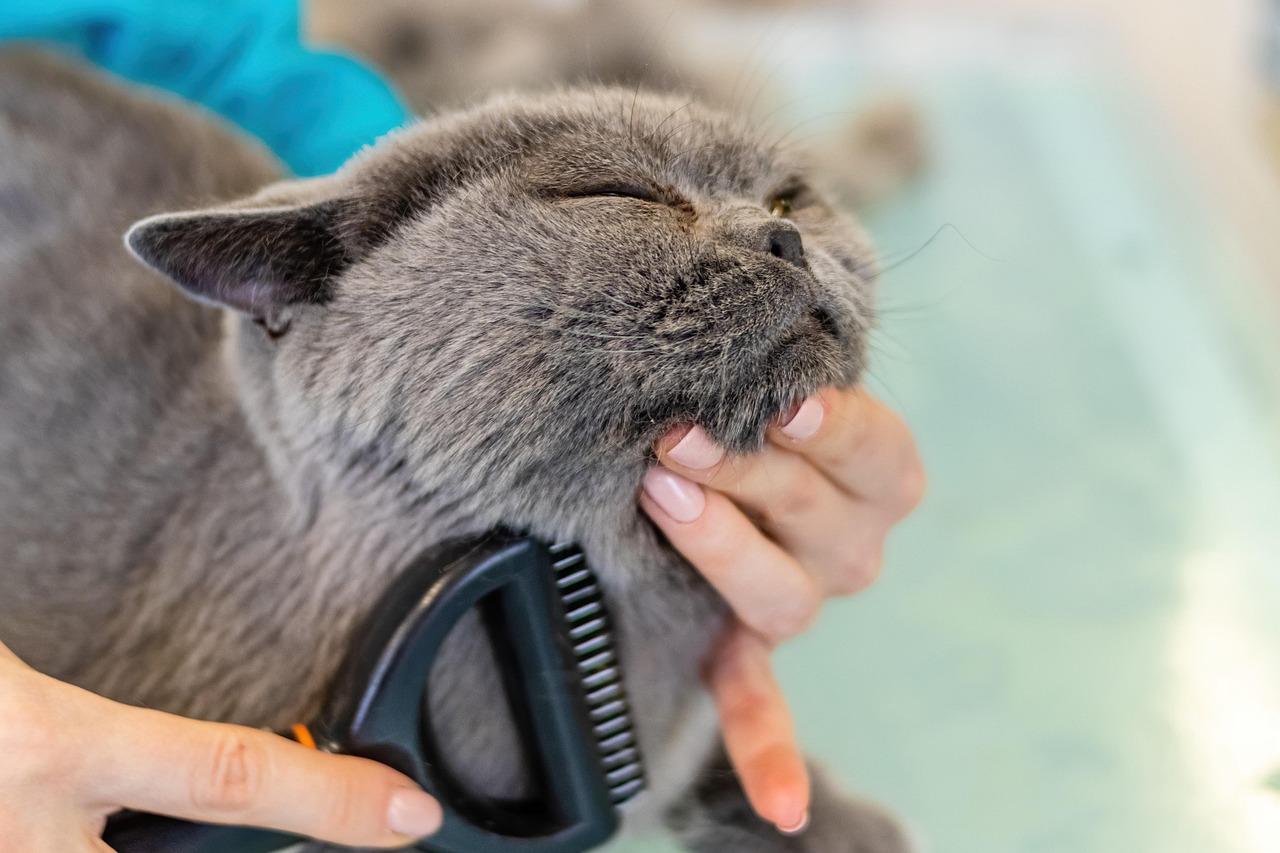
Short-haired cats often love exploring the outdoors, so grooming them after these adventures is essential. After a good romp in the yard or a trip to the park, your cat may return with dirt, debris, or tangles in their fur. To begin the grooming process, first gather your supplies. You will need a rubber grooming brush, a finer tooth comb, cat shampoo, and some treats. Start your grooming session in a quiet area where your cat feels comfortable. This atmosphere reduces stress and encourages cooperation. First, use the rubber brush to gently remove loose hair and dirt. Work in the direction of hair growth, using soft strokes. This method also helps massage the skin and promote blood circulation, beneficial for your cat’s health. After brushing, check for any knots or tangles, addressing them carefully with the comb. Finally, if your cat requires a bath, prepare lukewarm water and a small amount of cat shampoo, ensuring it’s suitable for their skin type. Cats can be sensitive, so always prioritize their comfort during grooming.
Once you have bathed your short-haired cat, it’s crucial to dry them properly. Short-haired cats can get cold quickly after a bath, so use a towel to gently absorb excess water. Instead of vigorously rubbing, which could irritate the skin, pat the fur dry. You can also use a hairdryer on a low, cool setting, holding it at a safe distance. The sound may scare some cats, so always monitor their reaction and stop if they seem distressed. Giving them treats during this process creates a positive association with grooming. After drying, check for any signs of skin irritation or mats again. Regular grooming will help your cat become accustomed to the process, making it easier over time. Additionally, maintaining a clean environment is important; brush your cat in the same spot consistently. This routine can make grooming a more predictable experience for both of you. Remember, the primary goal is to ensure your cat feels safe and relaxed throughout the grooming session. With continued practice, grooming will become a bonding experience rather than a chore for you and your furry friend.
Understanding the Importance of Grooming
Grooming is a vital aspect of your short-haired cat’s well-being, especially after outdoor activities. Beyond simply removing dirt and debris, regular grooming helps control shedding and reduces the possibility of hairballs. These hairballs can cause significant discomfort for your cat, leading to vomiting or digestive issues. Additionally, grooming allows you to inspect your cat’s skin closely. During grooming, you can identify any lumps, parasites, or skin irritations early before they become serious health concerns. It’s also an excellent time for you to bond with your feline friend. The gentle, rhythmic nature of brushing can be comforting, promoting trust and affection between you and your cat. Moreover, the act of grooming also helps your cat distribute natural oils throughout their coat. These oils keep their skin healthy and their fur shiny. Regular grooming can keep your home cleaner as well. By regularly removing loose hair, you will minimize the amount of fur that gets on your furniture and clothing. Lastly, regular grooming contributes to better hygiene, thus enhancing your cat’s overall health and happiness by keeping them feeling and looking their best.
A proper grooming routine should include attention to your cat’s paws and ears. Short-haired cats can accumulate dirt and debris between their paws from time spent outside. After brushing, gently check between each toe, using a damp cloth if necessary to clean any dirt. Ensure you also check their claws for any signs of breaking or overgrowth. Regular trimming is recommended to prevent injury when they engage in playful activities. Ears can also collect dirt and wax, so it’s prudent to inspect them regularly. Clean your cat’s ears with a vet-recommended solution and cotton ball, taking care to avoid damaging the ear canal. This practice not only keeps your cat comfortable but also ensures they stay healthy. Over time, it can help prevent ear infections, a common concern for outdoor cats. If you notice any persistent odor or excessive dirt buildup in their ears, consult a veterinarian for advice. Establishing this routine will not only enhance your cat’s grooming experience but will also keep them clean and refreshed after every outdoor adventure together.
Using the Right Tools for Grooming
The right tools make a significant difference when grooming your short-haired cat. You will need a good quality rubber grooming brush, specifically designed for short-haired cats. These brushes work effectively to detangle hair while massaging their skin. Additionally, having a fine-toothed comb can be beneficial for removing any small mats or tangles that may appear. Ensure the comb is gentle and appropriate for your cat’s delicate skin. Another useful tool is cat wipes, which can help in removing dirt or odors between baths. These can be used ideally after outdoor excursions. Furthermore, invest in a safe pair of cat nail clippers for maintaining claw length. Your cat’s comfort should be a priority, and ensuring their tools are specifically made for feline grooming is crucial to avoid causing stress or injury. Always remember to replace worn-out tools to ensure efficiency and effectiveness. Having a grooming kit organized and easily accessible will encourage you to groom regularly. This makes it easier and turns grooming into a routine task without the hassle of searching for supplies every time.
After grooming is done, it’s essential to reward your short-haired cat to reinforce positive behavior. Treats play a vital role here; giving them treats after every grooming session helps shape their attitude toward grooming. They will begin to see grooming not just as a chore but also as an enjoyable experience. Positive associations lead to less resistance and anxiety surrounding grooming tasks. Regular grooming should not only be practical but enjoyable for both of you. Socializing your cat with positive experiences reinforces their trust in you. The bond between pet and owner grows with every grooming session, granting your cat an understanding that they are cared for and loved. Additionally, you can dedicate time to play with your cat after grooming. This session can be a great way to relieve any stress or nervousness they may have experienced during grooming. Grooming should be seen as a collaborative effort, where both you and your cat work together for a clean and healthy outcome. Maintaining a happy, healthy coat through grooming allows you to enjoy longer outdoor adventures together with a happier, comfortable partner by your side.
When to Seek Professional Help
While regular grooming can often be done at home, there are times when seeking professional help is necessary. If your cat exhibits signs of stress during grooming despite positive reinforcement, consider visiting a professional groomer. They have experience and techniques for handling anxious or difficult cats, which can lead to a better grooming experience overall. Furthermore, if you notice persistent matting or tangling that you cannot manage, it may be wise to consult a groomer. They can provide advanced techniques and tools to address these issues without causing pain to your cat. Additionally, if your cat has health conditions affecting their skin or coat, a professional can offer insights and advice tailored to those needs. Regular visits to a vet can also support your cat’s health by providing check-ups and necessary vaccinations. Ensure your groomer is familiar with short-haired cats and their specific grooming requirements. The key is always to prioritize your cat’s emotional and physical well-being while maintaining cleanliness and health. With the right balance of home grooming and professional assistance, your feline friend will thrive.
In conclusion, grooming your short-haired cat after outdoor activities is an essential part of their care routine. Not only does it keep their coat clean, but it also enhances their overall health and strengthens the bond between you and your feline companion. By establishing a regular grooming routine, you ensure your cat’s skin remains healthy, and you can catch potential health issues early on. Use the right tools, such as rubber brushes, fine-toothed combs, and even cat wipes, to make the grooming process efficient and enjoyable. Don’t forget to reward your cat with treats and play sessions to create positive associations with grooming. Regularly examine your cat’s ears and paws, and maintain their claw length to prevent further complications. When in doubt or faced with significant grooming challenges, don’t hesitate to contact a professional groomer. Remember, a happy cat reflects a happy owner. By following these guidelines, you can ensure that your short-haired cat enjoys outdoor adventures while remaining clean and healthy upon their return home.