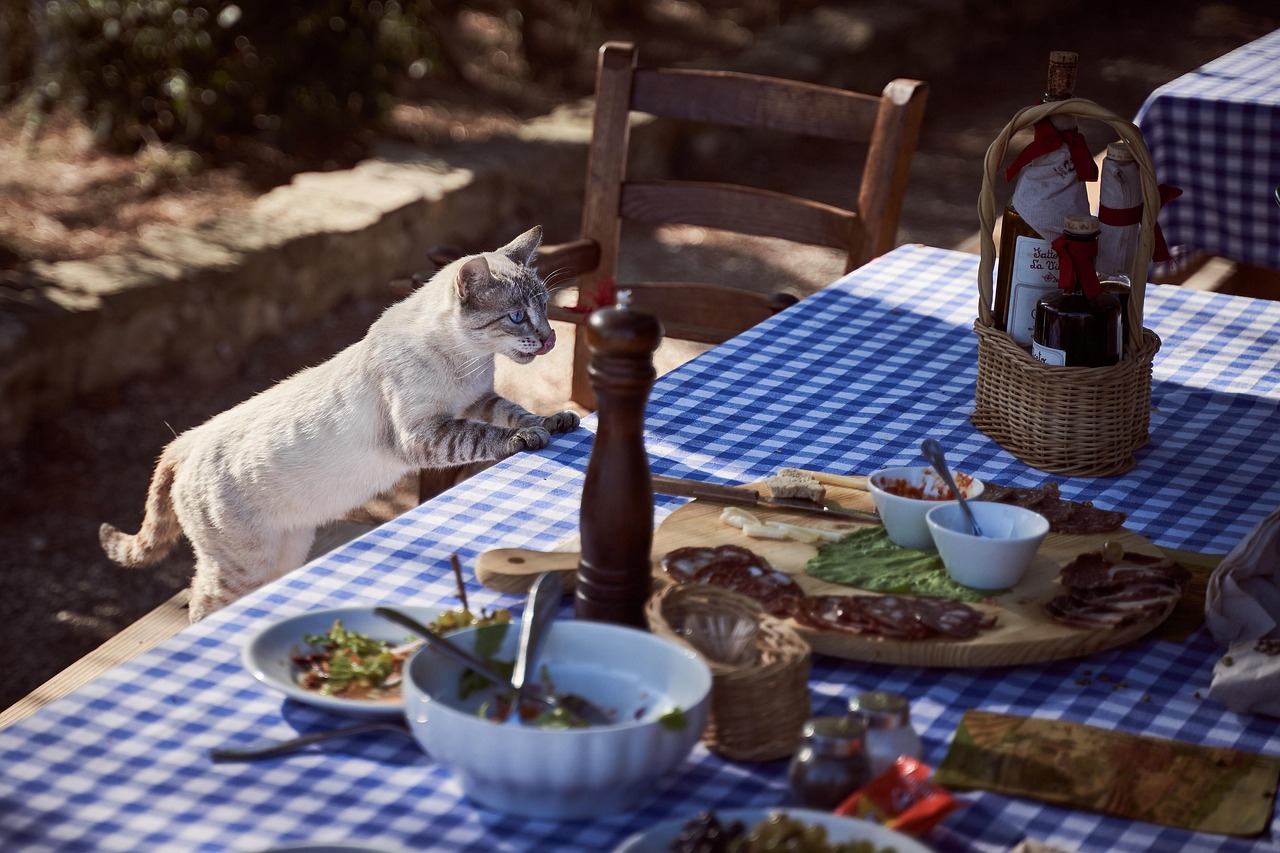

Homemade Vet-Approved Weight Loss Meals for Cats
Keeping our feline friends at a healthy weight is vital for their overall health and longevity. Obesity in cats can lead to many serious health issues, including diabetes, arthritis, and more. Therefore, creating homemade meals tailored for weight management is essential. A meal plan for weight loss must be rich in proteins, low in carbs, and include healthy fats while ensuring it is vet-approved. To start making these meals, it’s important to gather high-quality ingredients that promote a healthy lifestyle for your cat. This means sourcing lean meats, such as chicken or turkey, and incorporating vegetables rich in fiber like carrots and peas, enhancing digestion and helping them feel full. Always remember to consult with your veterinarian before implementing new dietary changes, as they can provide personalized advice based on your cat’s medical history and needs. Keeping their diet varied can prevent boredom and improve their overall willingness to eat. No commercial diet can compete with the nutritional benefits of homemade meals, as they can be tailored to meet personalized requirements effectively. Here are some ideas to get you started on preparing these meals.
Simple Chicken and Vegetable Recipe
A great way to kickstart your homemade meal journey is with a simple chicken and vegetable dish. Begin by boiling skinless chicken breast in water until fully cooked. Ensure there are no seasonings used, as ingredients such as garlic and onions can be harmful to cats. After the chicken has cooled, shred it into small, bite-sized pieces. Next, steam some chopped vegetables like carrots, zucchini, or peas, which are also essential for their vitamins. Mix the shredded chicken with the steamed vegetables to create a balanced meal that’s low in calories. This meal is not only vet-approved but also appealing to most cats due to its flavor and texture. Always monitor portion sizes to ensure your cat receives enough nutrients while maintaining a weight-loss regimen. Aim for about 1/4 cup of this mixture per 5 pounds of your cat’s body weight when feeding this recipe. It’s essential to avoid traditional carbohydrates, like rice or pasta, which may contribute to weight gain. Keep track of how your cat responds to meals and adjust accordingly.
Another excellent recipe for weight loss is a turkey and spinach dish. Start by cooking lean ground turkey in a skillet, without any added fats or seasonings. Ensure that it is cooked to a safe temperature to kill any harmful bacteria. Next, wash and chop fresh spinach, then add it to the cooked turkey. Spinach is packed with nutrients and offers fiber, which helps your cat feel full without the extra calories. Mix these ingredients thoroughly until heated through and serve at room temperature. This meal provides plenty of protein while limiting calorie intake. Your cat will likely enjoy the taste and satisfaction of this dish. Always ensure very small portions are offered, considering their overall daily intake. Remember that consistent feeding schedules and portion sizes significantly contribute to successful weight management. You can store any leftovers safely in airtight containers in the fridge for a few days. This helps you prepare meals in advance, saving time during busy days while keeping your cat’s health needs in mind. Maintaining variety encourages good eating habits and prevents picky behavior.
Savory Fish and Pumpkin Stew
A unique and healthy meal option is a fish and pumpkin stew. Fish provides essential omega-3 fatty acids and protein, beneficial for their skin and coat. However, ensure you choose low-fat fish types, such as cod or haddock. To prepare, cook the fish thoroughly and remove any bones. Next, add pureed or cooked pumpkin to the pot. Pumpkin is great for cats’ digestive health and offers plenty of fiber. Combining these ingredients creates a dish that’s nutritious and filling, promoting a healthy weight. Remember not to incorporate any oils or high-carb fillers. Serve this meal carefully, letting it cool before offering it to your cat. A good serving size is around 1/4 cup, based on your cat’s weight. This simple stew can last in the fridge for a few days and can be contributed to a rotational diet plan. Cats may love the flavor and appreciate this change from their usual meals. Consistency in meal preparation can also help establish healthy weight loss patterns over time.
Another tasty option is the beef and green bean recipe. Lean beef provides enriching proteins while green beans serve as a low-calorie filler. Begin by browning lean ground beef in a skillet, ensuring to drain any excess fat. Once cooked, chop fresh green beans into small pieces and steam until soft. Combine the beef and green beans together and let them cool before serving. This meal is rich in essential nutrients but low in calories, making it suitable for weight control. You can tailor the portions depending on your cat’s weight. Similarly, only serve as much as necessary to avoid excess calories, especially if your cat is prone to obesity. This recipe is easy to prepare and can be stored in the fridge for future meals. Incorporating such recipes helps maintain a balanced diet while supporting pet owners who prefer homemade cat food options. Always ensure your cat has access to fresh water as well since delicious meals lead to eating excitement. Keeping them hydrated contributes positively to their overall health.
Conclusion: Importance of Balanced Homemade Meals
In conclusion, creating homemade vet-approved weight loss meals for cats can significantly benefit their health and help maintain a healthy weight. These nutritious recipes, tailored to minimize calorie intake while maximizing satisfaction, play a vital role in controlling obesity in our pets. Always consult with your veterinarian to ensure that the chosen ingredients match your cat’s unique dietary requirements and health conditions. Regular monitoring of your cat’s weight and adapting meal portions based on their age, temperament, or health status is crucial. By providing a variety of dishes, you can help prevent food boredom and encourage better eating habits. Quality ingredients like lean meats, fibrous vegetables, and essential fats should be prioritized to ensure their well-being. Each meal’s portion size should align with their dietary goals, focusing on quantity control. With dedication and awareness, you can help your cat achieve a healthier weight through these homemade meal plans. Building a strong relationship with your cat through meal preparation enhances bonding time and creates mutual happiness. Observing positive changes in behavior and health will leave you, and your beloved feline, feeling satisfied.
Introducing homemade meals can also create excitement around feeding time. Your cat may look forward to meals and show enthusiasm during mealtime. It is important to be patient with your cats during transition periods to new diets. Slowly incorporating these new recipes will allow systems to adjust properly without digestive disturbances. Utilize appropriate storage methods to keep prepared meals fresh, and ensure to always use ingredients free of harmful additives. Maintaining cleanliness in the preparation area is essential for food safety. With homemade meal preparation, it is also an opportunity to incorporate supplements for enhanced nutrition if recommended by your vet. This elevates your cat’s diet, supporting better health outcomes and weight management. Frequent updates with your veterinarian are recommended to track your cat’s progress and make necessary adjustments to the meal plan. Keep the momentum going while monitoring any reactions to new ingredients and flavors. Building a healthy lifestyle for your cat will allow you both to enjoy the positive benefits of homemade meal options while keeping your beloved pet healthy and happy.