
Common Challenges in Home Dog Training and How to Overcome Them
Home dog training can be a rewarding experience, but it comes with unique challenges that owners must navigate. One significant challenge is maintaining consistency in commands and routines. Often, family members have different approaches, leading to confusion for the dog. Establishing a consistent command vocabulary and routine helps reinforce learning. Create a unified training plan, and ensure every family member understands and adheres to it. Another hurdle is distractions in the home environment. Daily life can introduce noises and movements that can easily distract a dog from training sessions. To mitigate this, design dedicated training sessions in a quiet area of the home where potential distractions are minimal. Additionally, dogs may not respond to commands with the same eagerness they show in a classroom setting. Owners can boost motivation by incorporating play and rewards into sessions, enhancing engagement and attention. Remember, patience is essential. Learning takes time, so celebrate minor successes along your training journey. Employing a structured approach ensures your dog receives consistent instruction and support, leading to meaningful behavioral improvements.
Understanding Behavioral Issues
Behavioral issues are common in home training and can manifest as excessive barking or destructive chewing. Identifying the root cause of these behaviors is crucial. Dogs often bark out of boredom or as a results of anxiety, requiring owners to address these underlying issues. Providing adequate physical exercise is essential to alleviate boredom and reduces excess energy that may contribute to destructive behavior. Activities like walks, playtime, and puzzle toys can help channel a dog’s energy positively. Furthermore, destructive chewing is often a sign that a dog needs more stimulation or suffers from anxiety. To combat this, provide appropriate chew toys and direct your dog to these alternatives when they try to chew on household items. Consistent training sessions that focus on obedience and boundaries can also reduce these unwanted behaviors. If behavioral problems persist, consider consulting a professional trainer or animal behaviorist who can offer tailored strategies. Remember, a positive reinforcement style is effective, which encourages good behavior by rewarding rather than punishing. This method fosters trust and enhances the dog-owner relationship, ultimately resulting in a more harmonious home environment.
Another prevalent challenge when training at home is the issue of time management. Owners often struggle to dedicate consistent time for training amidst their busy schedules. To overcome this hurdle, creating shorter, more focused training sessions can be beneficial. Consider splitting your training into multiple mini sessions throughout the day, lasting just five to ten minutes each. This approach keeps the dog engaged without overwhelming you or them. Moreover, incorporating training into everyday activities helps reinforce commands; for instance, practice sit or stay before serving meals. Utilizing every opportunity enhances learning and integration of commands into real-life situations. It is also essential to be aware that different breeds may require varying levels of training and interaction. Researching your dog’s specific needs can help tailor your approach. Organizing training into a regular timetable ensures that you maintain continuity and commitment while preventing frustration. Remember, every little session counts. Set realistic goals that fit into your daily routine, and celebrate achievements, big or small. This way, both you and your dog enjoy the learning experience, paving the way for a well-trained and happy pup.
The Importance of Positive Reinforcement
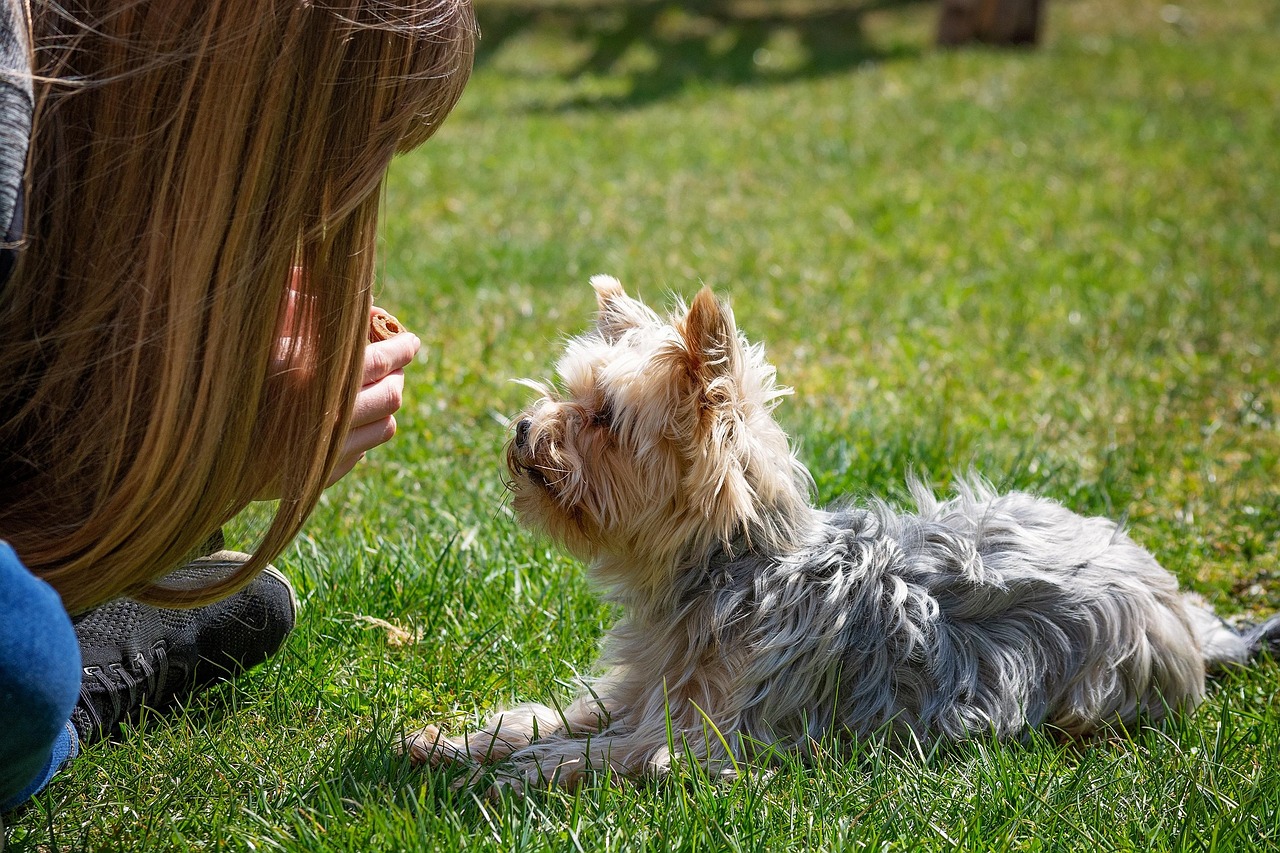
Positive reinforcement is a crucial element in any successful home dog training program. By using treats, praise, or play as rewards for desirable behaviors, you encourage dogs to repeat those actions. This method is particularly effective, as it builds a trusting relationship between the owner and the dog. Instead of focusing on negative behaviors, redirect attention to positive actions, which helps to create a more enjoyable training environment. Consistently rewarding positive behavior builds confidence and helps the dog understand what is expected. Furthermore, using varied rewards maintains the dog’s interest and motivation. If treats are the primary reward, mix in playtime or a favorite toy to keep training sessions exciting. However, it’s vital to ensure the timing of the reward is immediate to reinforce the desired behavior effectively. Use a clicker or verbal marker to indicate success when the dog performs the desired action, followed by the reward. Over time, as the dog understands commands more proficiently, the amounts of treats can be reduced. Transitioning to rewards based on praise will help maintain the learned behavior without relying solely on food.
One of the most common challenges faced during home training involves miscommunication between the dog and owner. Dogs do not inherently understand human language; they rely heavily on tone, body language, and cues. Thus, clear and concise communication is paramount. Managing your words and using consistent signals help your dog grasp what you want from them. For instance, using pronouns can be confusing. Stick to direct commands such as “sit” or “stay” without adding unnecessary words. Understanding how dogs interpret our cues is vital; they often respond better to the owner’s body language than verbal commands. Therefore, practicing the correct posture and gestures enhances your training effectiveness. Additionally, ensuring a calm demeanor during training can evoke a better response from the dog. If you show frustration or impatience, it may create anxiety or fear, leading to further misunderstandings. Consistent vocal tone, patience, and practicing calm assertiveness establish a better training platform. Over time, both owner and dog will learn to communicate effectively, creating a smoother training experience, and building a strong bond based on understanding and trust.
Socialization Challenges
Another critical aspect of home dog training includes proper socialization. Many owners overlook this, thinking they can address it later. However, neglecting socialization can lead to behavioral issues, such as fear or aggression toward unfamiliar situations. Introducing your dog to different environments, people, and other animals must start early. Ideally, this process should begin during a puppy’s critical socialization period, typically between three and fourteen weeks. However, older dogs can still learn and adapt when introduced new experiences gradually. Enrolling your dog in group training classes helps promote positive interactions, creating friendships with other dogs. When socializing, allow your dog to observe different stimuli to build their confidence. Control these encounters and ensure they are positive; if your dog appears anxious, give them space to acclimate. Regular outings to parks or new environments expose dogs to various sights, sounds, and smells they will encounter. Socialization not only helps mitigate anxiety and aggression but creates a more well-rounded dog. Remember to be patient throughout the socialization process; each dog develops at their pace.
Lastly, a frequent challenge in home dog training arises from information overload. With countless resources available—books, blogs, and videos—owners may feel overwhelmed about which training method to follow. To address this, focus on one or two reliable sources that align with your training philosophy and stick to them. Experiment with different techniques but remain consistent within the chosen methods. Finding a community, whether online or in groups, to share experiences and support provides valuable perspectives and encouragement. If you feel lost, consult a professional trainer who can guide you based on your dog’s unique temperament and needs. Their expertise can provide tailored solutions that online resources may not cover. It’s also important to recognize that training is not a one-size-fits-all approach. Every dog is different and requires individualized attention. Hence, observe your dog’s responses to various strategies and adjust accordingly. Note that progress may seem slow at times, but persistence and practice are essential. Regularly celebrate small victories and milestones to maintain motivation. With dedication and a focused approach, you can guide your dog toward training success.
With the right mindset and strategies, the challenges of home dog training can be effectively managed. Building a trusting relationship based on understanding and consistent communication sets the foundation for a successful training experience. Remember the journey includes learning for both the dog and owner. Training is not simply about correcting undesirable behaviors but also about fostering a meaningful bond. Each dog learns differently, requiring your patience, experimentation, and adjustments along the way. Make the experience enjoyable, incorporating training into daily routines. Celebrate successes, regardless of their size, and remember to maintain a calm and confident demeanor throughout the process. With consistency and effort, you will see your efforts reflected in your dog’s behavior. Create a well-trained dog that is a joy to have at home. Whether navigating challenges of distractions, behavioral issues, or socialization, overcoming them together fosters a rich companionship. Should you face setbacks, don’t get discouraged; instead, use these moments as learning opportunities. Always return to positive reinforcement practices and adapt your methods as necessary. This approach ensures a rewarding adventure in your journey together, leading to a happier and well-adjusted canine companion.