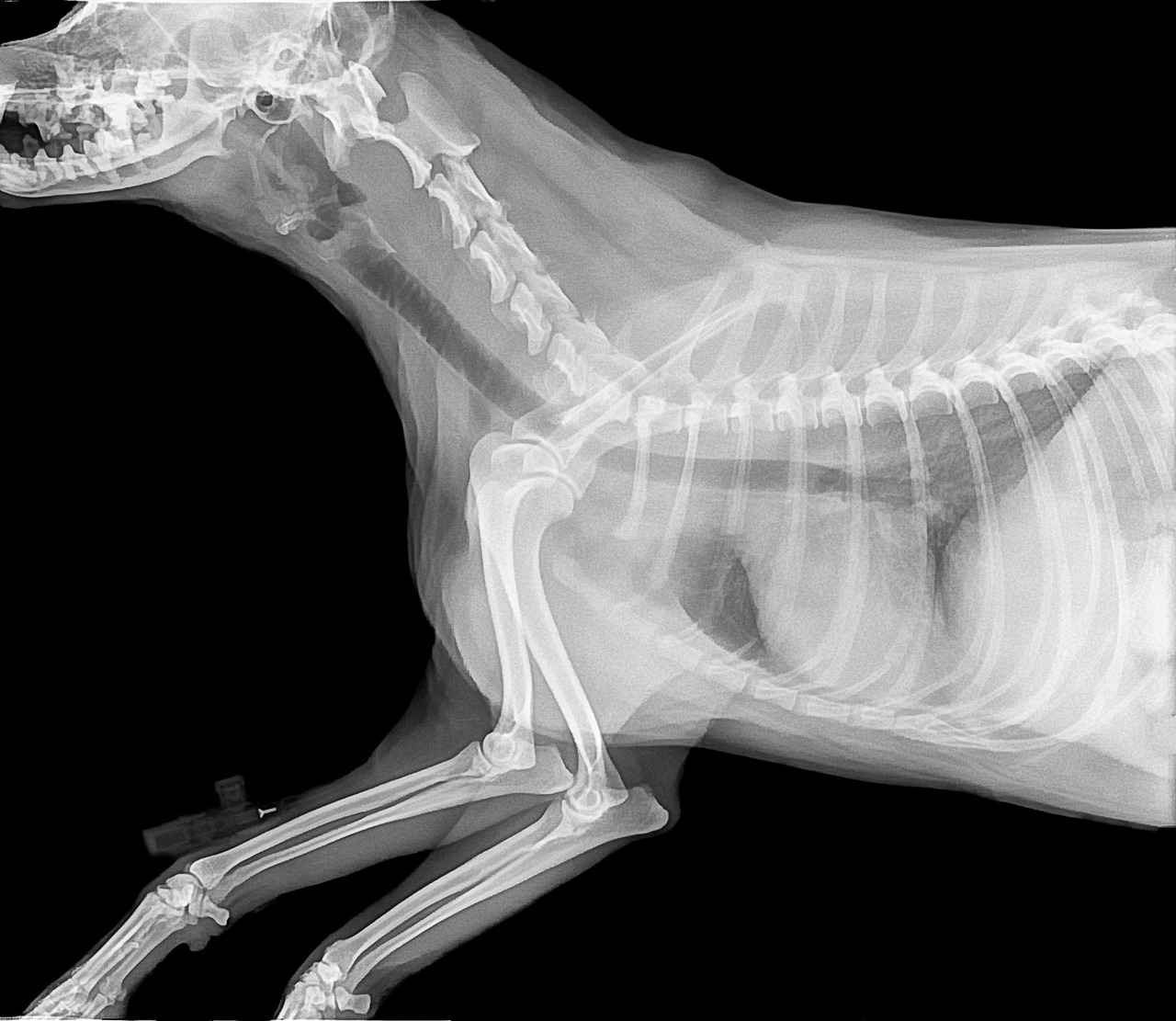

Legal Requirements for Using Dogs in Medical Experiments
Animal experimentation laws are crucial in ensuring the safe and ethical treatment of dogs utilized in medical research. These regulations serve to protect canines from unnecessary suffering and to ensure humane treatment throughout the research process. In many jurisdictions, researchers must adhere to specific guidelines that outline how animals can be housed, cared for, and utilized for experimental purposes. For example, prior to conducting any experiment, researchers typically must provide justification for the need for animal testing and demonstrate that no alternative methods, such as in vitro studies, are viable options. The ethical justification is key to the approval process of medical studies involving dogs. Furthermore, every study must undergo review by an Institutional Animal Care and Use Committee (IACUC) to ensure compliance with all ethical standards and legislative requirements regarding animal welfare. Additionally, researchers are obligated to minimize pain and distress in their subjects, provides necessary veterinary care, and contribute to the advancement of humane methods in research practices. This complete structure helps maintain a balance between scientific discovery and responsible use of living beings in medical advancements.
In order to comply with animal experimentation laws, researchers often have to obtain necessary permits and licenses before conducting their studies. Depending on the locality, these laws might involve federal, state, and local regulations that set forth specific requirements for animal care and welfare during research. For example, in the United States, the Animal Welfare Act (AWA) provides a federal baseline of care that must be followed, while other states have their own sets of regulations that can be more stringent. Researchers must provide documentation proving compliance with these requirements, including proper housing, feeding, and environmental conditions for the dogs involved. Furthermore, frequent inspections may occur to ensure compliance with the established guidelines. Adhering to these laws does not only encompass the well-being of the dogs but also helps to foster public trust in the scientific community. Effective communication regarding the importance of these regulations to general citizens can help debunk myths associated with animal testing, support ethical research, and encourage responsible use of animals in science as vital contributors to human health advancements.
Ethical Considerations in Animal Testing
Ethical considerations are paramount in any research involving dogs in medical experiments. Ethical committees play vital roles in evaluating proposed research protocols. They examine the project’s risks versus the potential benefits to ensure humane treatment. The principles of the 3Rs—Replacement, Reduction, and Refinement—serve as the foundation for ethical decision-making. Replacement refers to alternatives to using dogs, such as computer modeling or cell cultures. Reduction means utilizing the minimal number of dogs necessary to achieve valid results, while refinement focuses on methods that minimize pain and distress. Researchers must justify their choice to use dogs in experiments by demonstrating that the anticipated scientific knowledge outweighs the ethical implications of using sentient beings. Understanding and implementing these ethical principles helps researchers conduct their work responsibly while aiming to minimize harm to canines involved in their studies. Moreover, it fosters a culture that prioritizes animal welfare and accountability. Continued education and awareness regarding these ethical standards among researchers strengthen commitment to humane practices and public confidence in scientific integrity when it comes to animal testing.
The psychological well-being of dogs involved in experimentation also comes under scrutiny under animal welfare laws. It’s important for researchers to consider the emotional and behavioral needs of these animals, as neglecting these aspects can lead to negative consequences on the research findings. A stressed or distressed dog may not respond or behave normally, which could skew results and render the study ineffective. As outlined in numerous guidelines, researchers should implement environmental enrichment strategies that provide mental stimulation and social interaction. Providing dogs with adequate space, playtime, and socialization during the research period helps foster a better quality of life for these animals. These practices promote a healthy emotional state, which is essential for accuracy in research outcomes. Moreover, ethical completion of animal testing can enhance the overall scientific quality and contribute to innovative findings. Continual investment in improving environments for experimental dogs positively impacts not only the animals but also ensures that the scientific community upholds its responsibility to conduct humane research aligned with established laws and ethical standards for animal welfare.
Monitoring and Compliance
Monitoring and compliance mechanisms significantly contribute to ensuring adherence to animal experimentation laws. Various organizations and regulatory bodies are tasked with overseeing research practices involving dogs. They can provide varying levels of oversight, including routine inspections, audits, and evaluations aimed at serving public interest and ensuring that laws are strictly followed. Independent monitoring bodies often collaborate with institutional review boards to enhance data transparency and accountability in animal research. In addition, researchers are required to maintain meticulous records detailing every aspect of their experiments, including dog care, experimental procedures, and any adverse impacts experienced by the animals. This thorough documentation is essential for transparency and helps regulatory bodies in assessing the adherence to both ethical and legal standards. Noncompliance can result in significant consequences, including administrative penalties, suspension of research activities, and even criminal charges in severe cases of neglect or abuse. As a result, understanding the importance of compliance mechanisms reinforces the commitment of researchers to conduct ethically sound and legally compliant animal testing practices.
Public opinion plays a crucial role in shaping animal experimentation laws and how they are enforced. As society becomes increasingly aware and concerned about animal welfare, advocacy groups push for stricter regulations surrounding the use of dogs in medical experiments. This influence can lead to changes in laws, impacting researchers and their methodologies. Organizations often campaign for increased transparency in research practices, urging funding agencies and institutions to invest in alternatives to animal testing. The potential shifts in regulations driven by public sentiment signify the importance of responsible conduct in scientific research. Engaging in open discussions about the necessity of dog use in experimentation and the ethical considerations surrounding it can create a more balanced dialogue. Researchers must strive to demonstrate their commitment to ethical practices and the humane treatment of animals in their studies actively. By fostering better understanding and awareness, the scientific community can continue advancing medical knowledge while upholding the welfare of the dogs involved in research. This is vital for maintaining public trust in the responsible use of animals in science.
Conclusion and Future Perspectives
In conclusion, understanding and complying with animal experimentation laws that govern the use of dogs in medical experiments is essential for researchers. Ethical considerations, rigorous monitoring, and compliance mechanisms contribute to the humane treatment of dogs. As public sentiment regarding animal welfare evolves, the scientific community must remain adaptable, focusing on responsible practices while advancing medical knowledge. Future perspectives will likely include a greater emphasis on alternatives to animal testing, fostering collaboration among lawmakers, researchers, and advocacy groups. Innovative developments in technology could enhance research methodologies, reducing reliance on animal testing altogether. Furthermore, by educating the public about the scientific necessity and ethical implications of using dogs in research, the scientific community can create an informed dialogue promoting transparency. Such engagement can pave the way for a future less reliant on animal testing, driven by compassion, ethical practices, and scientific integrity. The path forward involves balancing the need for scientific advancement with the welfare of animals involved. Promoting humane practices not only benefits dogs but enhances the integrity and trustworthiness of the research community as a whole, solidifying its commitment to ethical standards.