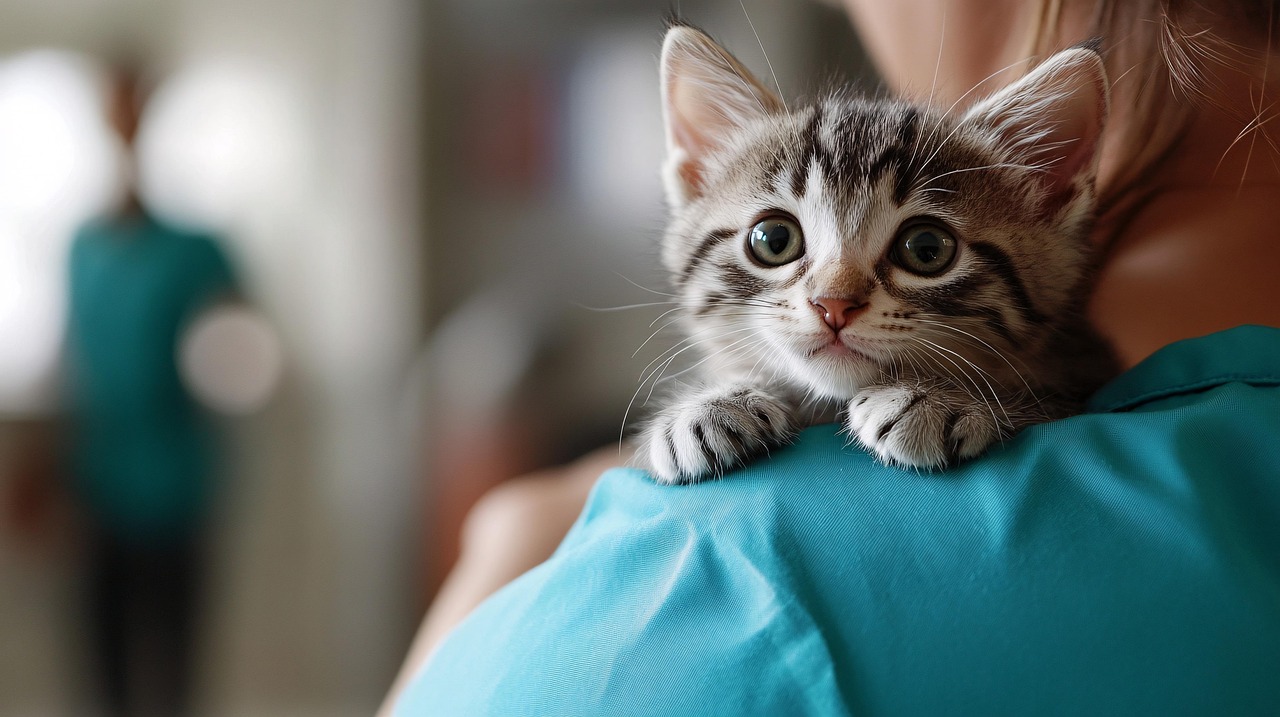

Understanding the Impact of Veterinary Visits on Cat Anxiety
Veterinary visits can be a significant source of anxiety for many cats. Understanding the reasons behind this stress is crucial for owners to help their pets cope effectively. Factors such as unfamiliar environments, loud noises, and the presence of other animals can all contribute to a cat’s anxiety levels. Additionally, the car ride to the vet might be stressful for many cats, as they often associate it with previous negative experiences. Owners can consider taking their cats on short trips before the actual vet visit to help build positive associations. Additionally, providing a safe transit space in a comfortable carrier may help ease their anxiety. It can also be helpful to desensitize cats to carrier conditions by allowing them to explore it freely at home, turning it into a positive environment. Offering treats or toys when entering the carrier can create a more enjoyable experience. Furthermore, making sure the cat is tired before the visit can reduce the overall stress they experience. Being knowledgeable about individual triggers is key to alleviating anxiety during these essential visits.
Another integral aspect of a cat’s anxiety during veterinary visits is handling. Cats may feel threatened when they are examined by a stranger, which can lead to heightened anxiety levels. Owners should discuss their cat’s behavior with their veterinarian to better prepare for the visit. Some cats may require gentle handling techniques that minimize stress and promote relaxation. Additionally, bringing along familiar items such as a favorite blanket or toy can provide comfort during the examination process. Consideration of the cat’s favorite treats as a positive reinforcement during the visit can also help distract them from the discomfort. Another strategy is to explore veterinary clinics that cater specifically to cats, as these environment adjustments can lead to more relaxed visits. The staff should ideally be trained in feline-friendly handling techniques. Understanding and addressing these handling aspects can greatly reduce anxiety. Building a relationship with the veterinary staff can further ease future visits. Owners should feel empowered to advocate for their cat’s needs by ensuring stress reduction strategies are in place.
Signs of Anxiety in Cats
Being able to identify the signs of anxiety in cats is essential for intervention. Cats may exhibit a variety of behaviors indicating stress, such as hiding, excessive grooming, or aggression. Owners should pay close attention to any unusual behavior that deviates from their cat’s normal routine. Also, changes in appetite can be significant indicators of anxiety. It is important to monitor these signs closely in the days leading up to the vet visit. Familiarizing oneself with stress-reduction techniques can also be helpful in addressing these behaviors proactively. For example, creating a calming environment at home through ambient music or specific pheromone diffusers can help alleviate some anxiety prior to the visit. Comfortable spaces where cats can retreat can further aid in creating a soothing atmosphere. Reducing stimulation in the environment may also help lower anxiety. Ensuring that litter boxes and other essentials are accessible can ease the cat’s worries. Offering plenty of space and gentle interaction is also beneficial for anxiety-prone cats.
Additionally, it is vital for owners to recognize specific triggers for their cats’ anxiety beyond just veterinary visits. For example, certain loud noises, such as thunder or fireworks, may cause stress. Understanding these triggers enables owners to develop copious plans ahead of veterinary trips. Implementing calming techniques at home can help mitigate anxiety leading up to an important visit, including playing soothing music or using calming sprays with feline pheromones. Encouraging a peaceful environment might also involve scheduling the visit at a time when fewer animals are present at the clinic. Moreover, learning how to manage a cat’s stress at home can empower owners and give them the necessary tools to help their feline companions. Well-planned visits can lead to overall positive experiences for both cats and owners. It’s essential to recognize the role of preparation in reducing anxiety. After all, a proactive approach in understanding cat anxiety triggers will yield benefits. Being adaptable to unique circumstances ensures that transitioning to the vet is easier for everyone involved.
Choosing the Right Veterinary Practice
Selecting a veterinary practice that understands feline behavior can tremendously reduce anxiety during visits. Owners should seek out veterinarians who specialize in cats and are knowledgeable about stress management. Reading reviews and gathering recommendations from other cat owners can provide insight into available practices. Additionally, visiting a veterinary clinic beforehand can help both owners and cats acclimate to the surroundings. Inquiring about their approach to cat care and examining how staff interacts with cats can be revealing. A clinic that designs its waiting areas and exam rooms with cat-friendly elements can also significantly minimize anxiety levels during visits. Factors to consider include the presence of separate waiting areas for cats and dogs and observing overall cleanliness. It is important to choose a place that designates a calming atmosphere for the cats. Finally, ensuring that owners feel comfortable with the clinic staff is a vital component in choosing the right practice. A positive experience at the vet will likely set the tone for future visits.
Moreover, incorporating calming aids during veterinary visits can serve as an effective strategy. Natural supplements, such as catnip or L-Theanine, may reduce stress and can be discussed with a veterinarian beforehand. Alternatively, there are various products designed explicitly to alleviate anxiety in cats. Items such as calming treats or anxiety wraps can create a soothing effect during stressful situations. These can be beneficial when applied carefully before the veterinary visit. Incorporating these aids in conjunction with familiarization techniques can lead to better experiences overall. Cat owners can also consider speaking with their vet prior to the appointment about using anxiety medication in extreme cases, particularly for highly anxious cats. Following professional recommendations can help tailor the approach to meet the needs of individual cats. Engaging in open discussions surrounding anxiety management will allow owners to select the right mix of strategies. Identifying which products or techniques work best for each cat can make a significant difference. The importance of collaboration with veterinary staff cannot be understated.
Conclusion: Reducing Cat Anxiety
In conclusion, effectively reducing cat anxiety during veterinary visits is achievable through careful preparation and monitoring. By identifying triggers, choosing the right veterinary practice, and knowing the signs of anxiety, owners play a critical role in their pet’s health and well-being. Fostering a comfortable pre-visit routine ensures a smoother experience for all parties involved. Each measure taken toward understanding cat anxiety leads to more positive outcomes during veterinary visits. Making use of calming aids, incorporating familiar items, and utilizing gentle handling can collectively ensure cats feel safe throughout the process. Through proactive communication with veterinary staff and an understanding of individual cat responses, anxiety can be managed effectively. The ultimate goal is to help cats experience their veterinary visits without undue stress, paving the way for more successful healthcare journeys. Regular veterinary visits keep cats healthy, and ensuring that both cats and owners feel at ease is essential. The well-being of our feline companions is a rewarding journey, full of avenues for improvement. This journey requires both time and patience as each cat’s preferences and responses are unique.
Additionally, always remember that building a bond with your cat by spending quality time together and understanding their behaviors can further alleviate anxiety over time. With love and commitment, owners can develop strategies that will instill confidence in their cats, leading to improved experiences at the vet. By employing diverse techniques and remaining vigilant of changes in their feline friends, owners can make a positive impact on their overall well-being. As every cat is unique, so are their responses to stress. Being patient and observant allows for growth and improvement strategies that ensure smoother veterinary visits. Finally, by applying the insights gained from this article, cat owners can become confident advocates for their pets. Fostering an environment of trust, understanding, and support is indispensable in maintaining the health and happiness of beloved felines. Through the consistent application of these practices, improving the experience and outcomes of veterinary visits becomes very attainable, further strengthening your bond with your furry family member.