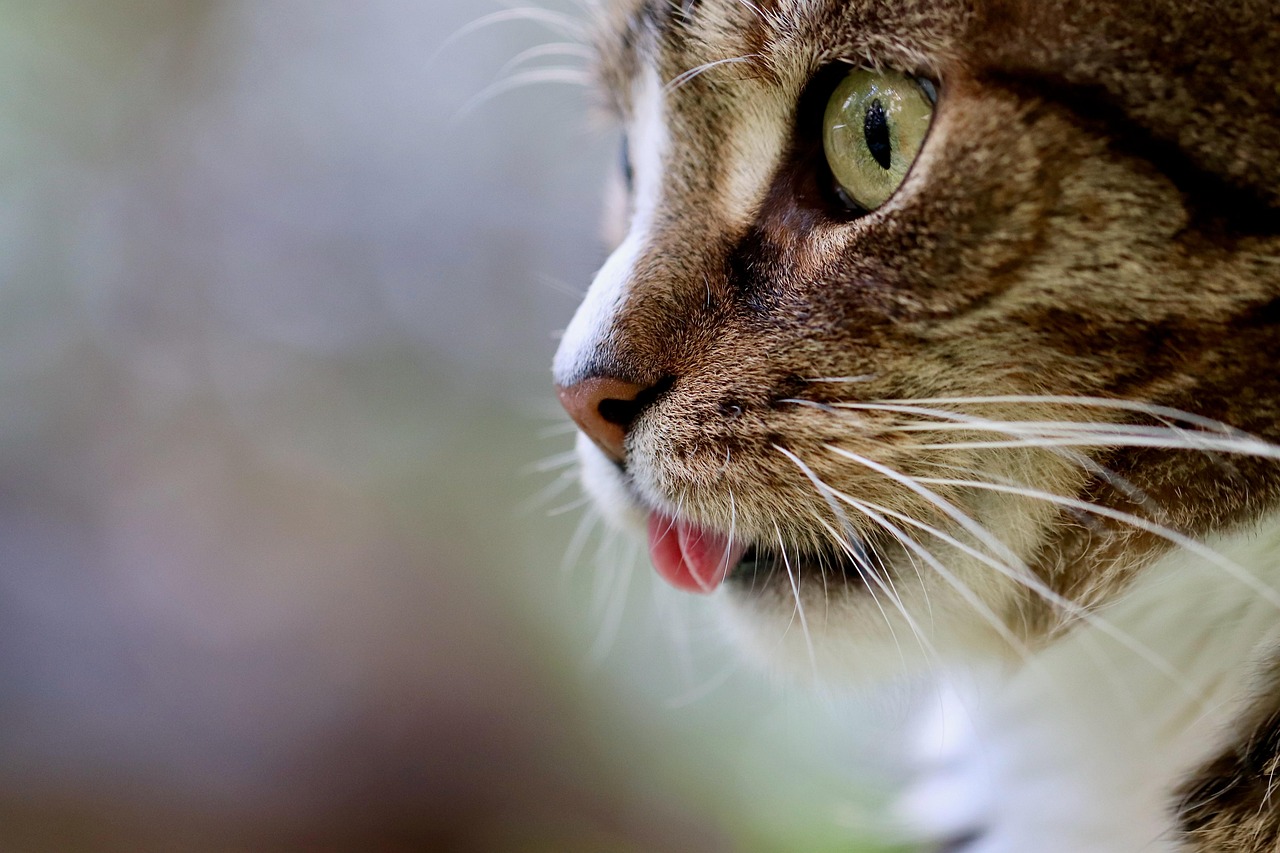

How to Deal with Behavioral Challenges in Adopted Cats
Adopting a cat is a rewarding experience, yet it may come with unexpected behavioral challenges. Understanding these issues is crucial. Many adopted cats face stress due to changes in their environment or past trauma. Transitioning to a new home can trigger various behaviors such as aggression, hiding, or excessive vocalization. Early signs to notice include sudden fears, reluctance to explore, or marking territory. Each behavior reflects the cat’s emotional state, and addressing these becomes essential. Consistency in routines helps ease most adopted cats into their new lives. Utilizing calming aids can also be beneficial. Various products on the market serve this purpose. They may include pheromone diffusers, calming collars, or even special dietary supplements. Additionally, creating a safe space fosters a sense of security. A designated area with familiar surroundings makes the cat comfortable. Consider providing plenty of toys, scratching posts, and cozy hiding spots. The goal is to associate the new environment positively. Patience and understanding are key components in overcoming these behavioral challenges significantly. Commencing a gradual introduction to other pets is equally vital for harmony at home.
Identifying Common Behavioral Problems
Learning to identify common behavioral problems in adopted cats enhances your ability to resolve them effectively. Some prevalent issues include litter box aversion, aggression, and excessive catnip use. Litter box problems often stem from stress or discomfort. Evaluating the litter type or box cleanliness could mitigate this challenge. Consider providing different litter boxes in separate areas to find the ideal spot. Aggression can manifest through biting, swatting, or harsh meowing. This behavior may indicate fear or insecurity. Gradually introducing your cat to new situations is crucial. Allowing the cat to explore at its pace can lessen anxiety significantly. Excessive catnip use, on the other hand, can lead to hyperactivity or frustration. It’s important to establish clear boundaries regarding its use. Limiting exposure to catnip helps ensure a balanced behavior pattern. Each cat is unique, and understanding its individual needs is an ongoing learning process. Monitor your cat’s reactions and adjust accordingly. Seeking advice from veterinarians or cat behaviorists can provide tailored guidance. They offer insightful perspectives based on your cat’s specific circumstances. Remember, every cat deserves patience and compassion, especially during this transitional period.
Another primary issue often observed is separation anxiety, which manifests when cats feel uneasy when left alone. Start gradually leaving your cat alone, increasing the duration over time. This familiarity helps reduce anxiety. Leaving your scent, like a worn shirt, might also comfort your cat. Environmental enrichment is essential, which includes interactive toys and climbing spaces. Cats thrive on mental and physical stimulation, preventing boredom-induced behaviors. Puzzle feeders and treat-dispensing toys keep their minds occupied and channel excess energy positively. Engaging with your cat daily builds trust and fosters a confident demeanor. Create a structured playtime routine, allowing bonding opportunities. When using toys, rotate them to maintain interest. Regular activities, whether play or training, create an enjoyable atmosphere. Repeating basic commands during playtime strengthens the bond and aids in communication. Reinforcing desirable behaviors with treats can also be beneficial. Positive reinforcement cultivates a welcoming space for your adopted cat. Additionally, if behavioral issues persist, consulting a qualified veterinarian is advisable for possible underlying health concerns. Always prioritize your cat’s well-being by focusing on understanding them rather than punishing undesirable behaviors. This creates a positive, harmonious living atmosphere together.
Environmental Adjustments for Comfort
Creating a supportive environment significantly improves the adjustment period for adopted cats. Crucial adjustments revolve around providing safe spaces that help them acclimatize. A perch or cat tree with a comfortable spot encourages instinctual behavior like climbing and viewing. Consider placing various hiding spots throughout the home. Boxes and cat tunnels work effectively in catering to your cat’s need for security. Keep essential areas quiet and free from disruptive noises, especially during the adjustment period. Offer a choice of several locations for the litter box to choose a preferred place. Choosing litter that appeals to them makes a substantial difference, promoting comfort. Additionally, maintaining a consistent feeding schedule establishes routine, which can enhance predictability in their day-to-day lives. Limiting the introduction of new pets or visitors helps reduce distress. An introduction to new experiences should be gradual. Reducing direct confrontations with unfamiliar stimuli provides a sense of control for your cat. Regularly monitoring your cat’s body language and actions consistently helps you to adapt your strategies effectively. Always provide them with opportunities for positive interactions, which fosters trust and confidence over time. Ensuring their well-being supports a happy, loving relationship.
Behavioral challenges often arise from insufficient exercise and boredom. Implementing playtime sessions helps alleviate these struggles significantly. Choose toys that promote interactive play, encouraging your child to move and engage. Feathers, laser pointers, and toy mice can stimulate your cat’s predatory instincts. Dedicate at least 30 minutes per day to interactive play, helping burn off excess energy. Setting up obstacle courses or using treat balls adds excitement, ensuring your cat stays physically active. These activities foster cognitive development and solidify the bond between you and your cat. Also, consider a second pet if possible, as companionship often helps mitigate behavioral issues. When introducing a new cat, do so gradually. Monitor their interactions closely to ensure harmonious coexistence. However, manage the dynamics by creating separate feeding and resting areas. This allows each pet to feel secure. Providing alternate stimulation in the form of window perches channels interest into outdoor sights too. Establishing routines and knowing your cat’s preferences ultimately strengthens your relationship. Make sure your cat knows you’re there to support their needs through open communication and positive experiences. This approach can drastically minimize any behavioral challenges they may face successfully.
Seeking Professional Guidance
When faced with challenging behavioral issues, professional guidance can often provide the clarity needed. Veterinary expertise in feline behavior can make a tremendous difference. Some veterinarians specialize in behavior and can offer tailored strategies. Expect assessments of your cat’s health to rule out underlying issues contributing to their behavior. Sometimes, anxiety or aggression stems from pain or illness requiring medical treatment. A behaviorist can assist further in developing a holistic approach. Training and altering undesirable behaviors often involve positive reinforcement methods. Utilizing techniques proven effective in turning around various behaviors can lead to better outcomes. Professional advice can encourage understanding specific triggers your cat may have, making it easier for you to manage them. Incorporating environmental modifications suggested by experts is another avenue to explore. Consistent follow-ups with professionals help monitor progress, ensuring your approach is effective. Record behaviors and changes as they happen, facilitating discussions during appointments. As relationships strengthen with your adopted cat, experiencing setbacks might occur. Maintaining a mindset open to learning and adapting is essential for both of you. Ultimately, professional guidance serves as an invaluable resource in overcoming behavioral challenges, paving the way to a harmonious future together.
Throughout their adjustment journey, remember that time is an indispensable factor. Patience and understanding go a long way in helping your newly adopted furry friend. Behavioral challenges aren’t insurmountable; instead, they present valuable opportunities for bonding and growth. Acknowledging their pasts while fostering trust creates a supportive environment for growth. Each cat learns and adapts at their own pace, meaning comparisons to others may not be productive. Celebrate small victories and kindness in their journey together. Keeping a record of achievements helps track progress and serves as motivation. Joining supportive communities online, such as forums or local cat owners’ groups, can provide shared experiences useful in navigating challenges together. They may highlight different strategies that have worked for other members, offering encouragement during tough times. Moreover, don’t hesitate to reach out with questions or seek additional help. This openness to learning enriches not only your journey but also your cat’s. Investing in their well-being cultivates a fulfilling relationship replete with love, trust, and joy. Ultimately, remember that embracing both the struggles and successes together strengthens your bond, illustrating the power of understanding in nurturing a healthy, happy life together.
In this ongoing journey of post-adoption care and support, you invest in your relationship with your cat. Focus on making their transition as smooth as possible, and allow for your lives to intertwine fully. Celebrate progress over perfection, and acknowledge that challenges may arise. The reality is that these moments can serve as powerful bonding experiences. Every cat deserves a chance at happiness and a loving home; your commitment makes their lives endlessly better. Reiterate their significance in your life and address behavioral challenges. The support you provide fosters love and security. Be open to exploring new strategies as you navigate these behaviors. Understanding and adjusting to your cat’s needs while providing gentle reinforcement create memorable experiences. Lastly, don’t forget the joy and laughter your cat brings to your daily life. Cherish the moments and find ways to enjoy activities together. Playful afternoons, cozy evenings, and spontaneous adventures will inspire the companionship you desire. Your love and care are pivotal in guiding your adopted cat toward a bright future. Nourish your connection daily, and watch how extraordinary your relationship becomes as you both learn together.