
How Grooming Behavior Helps Strengthen Cat Bonds
Grooming is an essential aspect of feline behavior, significantly influencing the bond between cats. Through various grooming actions, cats communicate affection and security with one another. Mutual grooming, or allogrooming, serves as a way to reinforce social structures among cats. This practice is commonly observed among closely bonded cats, especially siblings or a mother with her kittens. Grooming not only helps in keeping the fur clean but also releases endorphins in both cats, creating a mutual sense of well-being. It assists in the distribution of natural oils throughout the skin, ensuring a healthy coat while also reinforcing trust. When cats engage in grooming, they understand each other’s scents, which results in a sense of shared territory. Interestingly, allogrooming behaviors can also extend to humans. Bonds can strengthen between cats and their human caregivers when they receive grooming and caressing. By regularly grooming your cat, you establish trust, demonstrating that you’re a safe and accessible companion. This interaction can calm anxious cats and help them feel secure in their environment. Understanding grooming behaviors helps cat owners nurture their relationships, providing deeper insights into their pets’ emotional needs.
Moreover, grooming behavior in cats can often be quite ritualistic and serves several functions that go beyond mere hygiene. Cats may spend considerable time grooming themselves or each other, which serves as a relaxing activity that strengthens their social ties. Grooming serves the purpose of maintaining not only physical cleanliness but also emotional peace. For cats, the act can be seen as both a social activity and a means of anxiety reduction. Cats that groom other cats signal that they see them as part of their family group. This affectionate behavior can lower stress levels in both participants, providing emotional comfort and reinforcing companionship. Within multicat households, grooming serves as a powerful tool for conflict resolution. When a dispute arises, cats that would otherwise disagree may engage in grooming to restore harmony. This behavior demonstrates that cats are capable of emotional intelligence, fostering healthy relationships among their companions. Cats often evaluate their social dynamics through grooming, making it an essential activity for behavioral balance in households. Recognizing these patterns empowers owners to create environments that support positive social interactions among their cats.
The Psychological Benefits of Grooming
The psychological benefits of grooming behaviors extend beyond mere cleanliness; they also offer reassurance to cats. When one cat grooms another, it creates a nurturing atmosphere that fosters feelings of belonging. This ritual is an essential part of their social structure, comforting cats like a warm embrace. In the wild, grooming has adaptive advantages, such as reinforcing alliances, which can be crucial for survival. For domesticated cats, this behavior translates into positive interactions that reinforce security and stability in their environment. Grooming among cats invokes a sense of comfort akin to the care given by caretakers. It allows cats to feel safe within their social group, impacting mental well-being. The release of calming pheromones during grooming contributes significantly to feline relaxation. As cats groom, they showcase vulnerability, reinforcing trust. Understanding these subtleties enables cat owners to better meet their pets’ emotional needs. Subsequently, when owners groom their cats consistently, it fortifies these bonds and evokes a sense of joy in both the human and feline. Grooming serves as both a joyful experience and a necessity, integrating well-being into daily life.
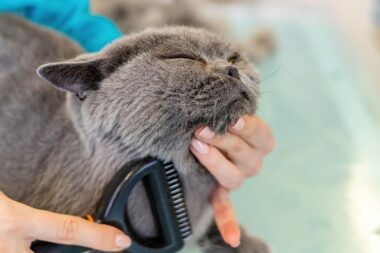
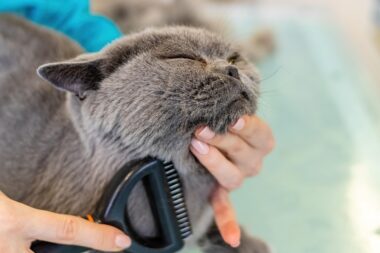
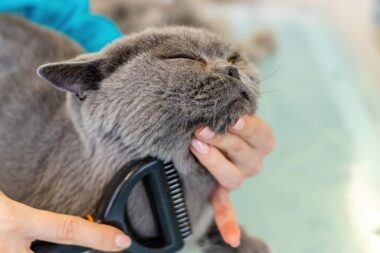
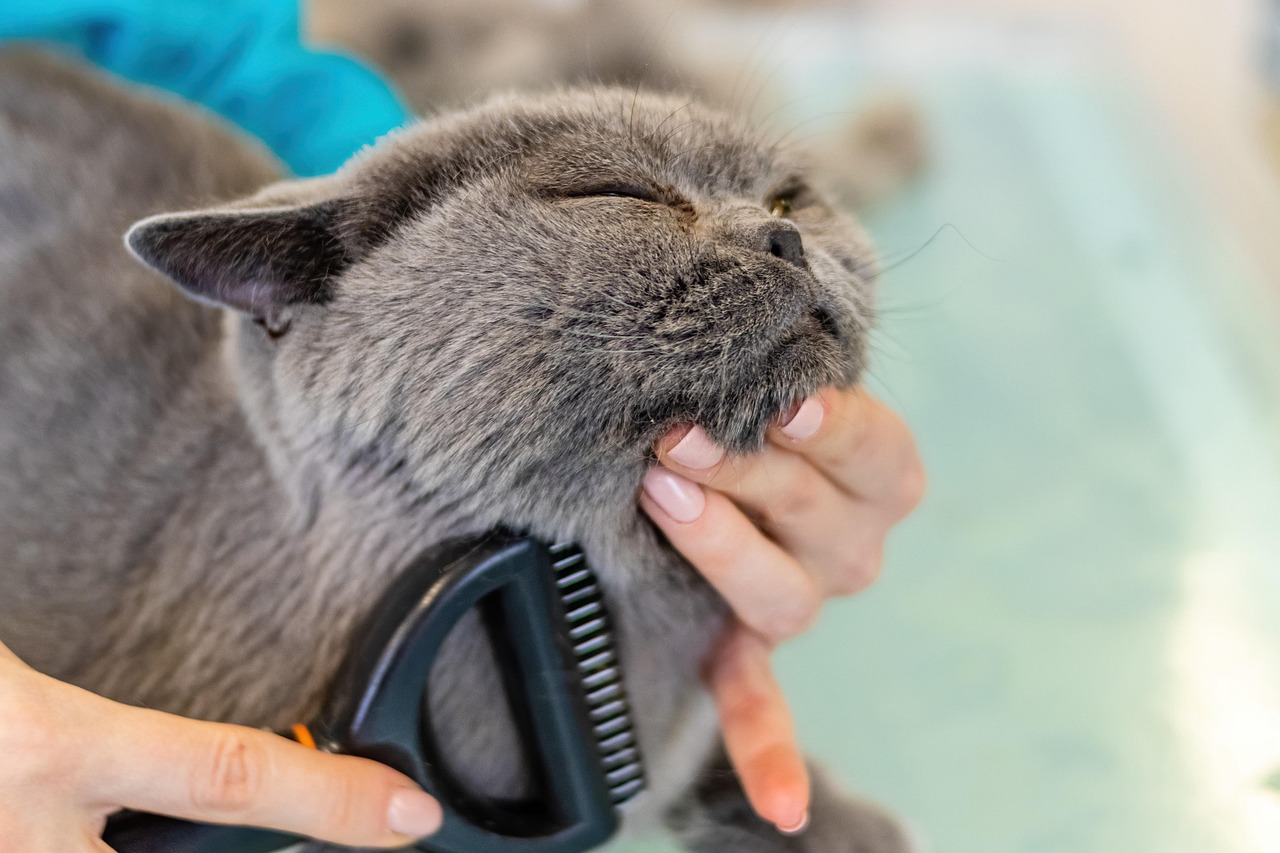
Furthermore, the practice of grooming is an excellent way of establishing a routine that promotes bonding. Cats thrive in environments where they feel secure, and routine activities like grooming can enhance their sense of stability. Owners are encouraged to incorporate grooming into their daily interactions with their cats. By doing so, they create time that is purely dedicated to building their relationship. Using brushes, combs, or even just hands to groom a cat allows for close, comforting contact. This shared time can help alleviate anxiety and improve the overall mood of both cat and owner. Just like with mutual grooming, engaging in this behavior with your cat can generate positive feelings and reinforce attachment. It minimizes stress and promotes an understanding of each other’s body language, important for effective communication. As a result, the bond between the human and the cat gets stronger with each grooming session. Understanding your cat’s preferences during grooming helps ascertain what makes them comfortable and increases their trust in you. The importance of this type of interaction in developing and reinforcing the human-animal bond cannot be overstated.
Cat Grooming: Health Benefits
Grooming beyond its social aspect also plays a pivotal role in maintaining feline health, crucial for overall well-being. Through regular grooming, owners can eliminate dead fur, debris, and loose hair that may cause hairballs. This proactive approach aids not only in preventing fur balls but also promotes skin health by stimulating the follicles and encouraging oil distribution. Regular brushing can showcase any skin issues or parasites that may require treatment, allowing for prompt veterinary care. Not all cats will groom themselves adequately, especially long-haired breeds, which require extra attention to prevent matting and tangling of the fur. Engaging in regular grooming sessions serves as a bonding activity while ensuring their coat remains smooth and healthy. The experience of grooming should be enjoyable for both cat and owner, fostering trust while caring for physical health. Grooming promotes good hygiene practices while also limiting shedding and dander, making home environments better for allergy sufferers. The health aspects of grooming contribute to long-term happiness, showcasing how grooming is positively intertwined with the emotional well-being of cats.
Additionally, grooming allows cat owners to notice any changes in their cat’s behavior or physical condition. Regular close inspection of your cat during grooming can reveal startling information. This intimate interaction provides an opportunity to observe lumps, bumps, or skin irritations that may require further examination. Noticing these changes early can lead to timely treatment, enhancing the cat’s quality of life. Physical examination while grooming can also familiarize cats with necessary handling and touch, reducing their anxiety during vet visits. As cats are often very physically responsive to touch, having a grooming routine allows for desensitization to external handling. The relationship develops deeper trust, ultimately reducing the fear associated with veterinary visits. Owners become better caregivers for their feline companions through regular checks during grooming. Listening to your cat’s preferences on specific areas to groom can additionally nurture this bond. This attentive care fosters a sense of safety and reassurance, enhancing the overall quality of life for cats. Thus, the commitment to grooming is about enhancing both emotional connection and physical health in important ways.
Conclusion: Building Stronger Cat Bonds
In conclusion, the multifaceted nature of grooming behavior plays an essential role in establishing strong bonds among cats. It nurtures security, trust, and love, essential for healthy feline relationships. From promoting cleanliness to reducing stress, grooming behaviors are vital to cats’ mental and physical health. Cat owners can utilize grooming as a means of enriching their cats’ lives while reinforcing the bonds they share. The emotional rewards of grooming extend well beyond the practicalities, deepening the owner-pet relationship. Whether engaging in mutual grooming or brushing, these interactions showcase how important they are for emotional contentment. Cats express their needs and feelings through grooming, allowing owners to identify and respond to their preferences. As nurturing companions, owners play an essential role in ensuring their cats feel safe and content. Embracing grooming behaviors helps build a trusted environment, vital for a happy and healthy cat. The commitment to understanding and participating in grooming behaviors ultimately results in a joyful living experience for both cats and their humans, weaving a tapestry of loyalty and companionship through each grooming session.
The understanding of cat grooming behavior emphasizes the need for owners to recognize its significance. Embracing this shared activity will foster love, trust, and connection in a dynamic relationship. Grooming serves not only as a health maintenance task but also as a window into the emotions cats experience. Building stronger bonds through grooming allows for enhanced communication and deeper relationships. Ultimately, by prioritizing grooming activities, owners pave the way for a happier, healthier life for their beloved pets. The benefits extend beyond the mere physical act, reinforcing both emotional health and companionship that define the essence of being a cat owner.