
How Often Should You Clean Your Dog’s Teeth? Expert Advice
Just like humans, dogs require dental care to maintain optimal health. A significant aspect of that care is regular teeth cleaning, which can prevent dental diseases. Many veterinary experts recommend routine at-home dental care alongside professional cleanings as effective strategies. Ideally, you should brush your dog’s teeth at least two to three times a week. The frequency can vary based on individual needs, diet, and dental conditions. For dogs prone to dental issues, daily brushing is highly advisable. Dental chews and toys can also assist in keeping their teeth cleaner between brushings. Regular dental check-ups are essential to identify any problems early and to establish a cleaning schedule. Visiting your veterinarian for dental advice tailored to your pet is crucial. They can assess the condition of your dog’s teeth and gums and may recommend specific products or methods. Consistent care will not only help enhance your dog’s breath but also prevent more severe health issues related to tooth decay. Therefore, being proactive with your dog’s oral hygiene can lead to a longer and healthier life.
Identifying the signs of dental disease can significantly aid in your dog’s overall health. Common signs include bad breath, red or swollen gums, and difficulty eating. Over time, tartar buildup can lead to gingivitis or periodontitis, affecting your dog’s comfort and quality of life. Regularly inspecting your dog’s mouth can help catch these issues early. If you notice any of these signs, consult your veterinarian for advice on treatment options. They can provide specialized cleaning services that can deeply clean your dog’s teeth, removing tartar buildup effectively. Some breeds are more susceptible to dental diseases, especially smaller breeds. Research shows that nearly 80% of dogs show signs of dental disease by age three. Regular professional cleanings can prevent the progression of these diseases, allowing your pet to remain active and healthy. Your vet may also recommend dental sealants or other preventive measures. To support your dog’s dental health, consider incorporating dental-friendly food into their diet. Additionally, regular play with dental toys can support their dental hygiene while keeping them entertained, so evaluate your options carefully.
Effective Dental Care Products
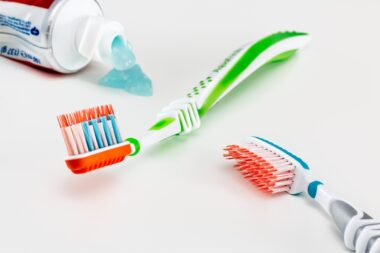
When it comes to cleaning your dog’s teeth, various products are available on the market designed to assist pet owners in this vital task. Always choose a toothpaste formulated specifically for dogs. Human toothpaste contains xylitol and fluoride, both of which are toxic to dogs and can cause serious health issues. Look for enzymatic toothpaste that breaks down plaque and freshens breath. Dog toothbrushes come in diverse shapes and sizes, allowing you to choose the most effective for your pet. Finger brushes can be an excellent option for dogs who are anxious about traditional brushes. Additionally, dental rinses can help maintain a healthy mouth. These can be added to your dog’s drinking water to help combat plaque and tartar buildup. Chew toys and dental treats can also provide assistance. They work mechanically to remove food particles and tartar. Opt for products approved by veterinary dental organizations. Doing so ensures they are effective and safe for your pet. However, never rely solely on these products; regular brushing should always be part of your pet’s dental care regimen.
An integral part of your dog’s dental care routine includes establishing a consistent cleaning schedule. Create a timetable to ensure that you remember to brush your dog’s teeth regularly. Daily brushing is optimal, but if that’s not feasible, aim for several times a week. Setting reminders can help maintain consistency over time. Introduce the process gradually, allowing your dog to get used to having its mouth handled. Begin by gently rubbing the teeth and gums with your finger before introducing a toothbrush. Positive reinforcement through treats or praise can turn brushing into a rewarding experience. This step is crucial, especially if your dog is apprehensive. Sometimes using flavored toothpaste can encourage them to enjoy the process. Another option involves scheduling professional cleanings with your vet every six to twelve months. This ensures tartar removal that at-home care may miss, along with professional advice tailored to your dog’s specific needs. It’s essential to remain diligent in your approach, as overlooking dental health can have long-term implications for your dog’s overall well-being. Never underestimate the importance of consistent dental care in achieving a healthy dog.
The Importance of Nutrition
Your dog’s diet also plays a pivotal role in its dental health. Feeding your pet a balanced diet can minimize dental issues. Crunchy kibble can reduce plaque buildup compared to soft food, which tends to stick to teeth more readily. Incorporating dental-specific food can significantly enhance their oral hygiene. Some brands produce formulas that promote dental health by incorporating specific ingredients known to combat tartar and plaque effectively. Likewise, raw vegetables such as carrots can provide a natural scrubbing action while being a healthy treat at the same time. Always choose high-quality food rich in nutrients to support overall health as well. Additionally, avoid giving your dog table scraps that could lead to potential dental issues. Provide appropriate chew toys that don’t damage their teeth while offering a satisfying chewing experience. Products endorsed by veterinary professionals for promoting dental hygiene are worth considering. While spirits and snacks can be tempting, focus on choices that contribute positively to your dog’s health. If uncertain about your dog’s diet, consult your veterinarian for recommendations tailored to your dog’s specific needs and health condition.
Being informed about the link between dental health and systemic health is vital for dog owners. Dental disease can lead to severe complications beyond just bad breath and discomfort. Bacteria from the mouth may enter the bloodstream, impacting the heart, liver, and kidneys. Recent studies indicate that pets suffering from dental disease have a higher likelihood of developing systemic diseases. Early detection and intervention are crucial to ensure a healthier life for your furry friend. Regular check-ups can identify potential problems before they escalate. Take these health concerns seriously, as neglecting dental hygiene may lead to costly treatments and prolonged pain for your pet. Vaccinations and regular physical exams can complement dental care. Such examinations also address underlying issues that affect oral health. Therefore, being proactive in your dog’s overall care strategy involves a focus on dental health by incorporating cleaning into their routine. Make dental health a priority to foster a stronger bond with your dog as they enjoy better quality of life. Your active involvement can make a significant difference for their long-term health and happiness.
Conclusion
In conclusion, maintaining your dog’s dental health is an essential aspect of their overall well-being. Regular dental hygiene through brushing and professional cleanings can dramatically reduce the risk of dental diseases. By incorporating dental-friendly products and focusing on nutrition, pet owners can positively impact their furry friends’ health. Create a dental care plan tailored to your pet’s needs, and ensure regular consultation with your veterinarian for ongoing advice and support. Establishing a routine will help ease your dog into this new habit, making the experience enjoyable for both of you. Emphasize the importance of oral care by making it a fun and rewarding part of your dog’s day. Finding the right products, such as dental toothpaste, brushes, and toys, enhances the effectiveness of your care routine. With diligence and care, your dog can enjoy a happier, healthier life free from dental issues. Remember that prevention is always less costly and painful than treatment. Stay committed to your dog’s dental health and you will provide them with the quality of life they truly deserve, enhancing every moment together.