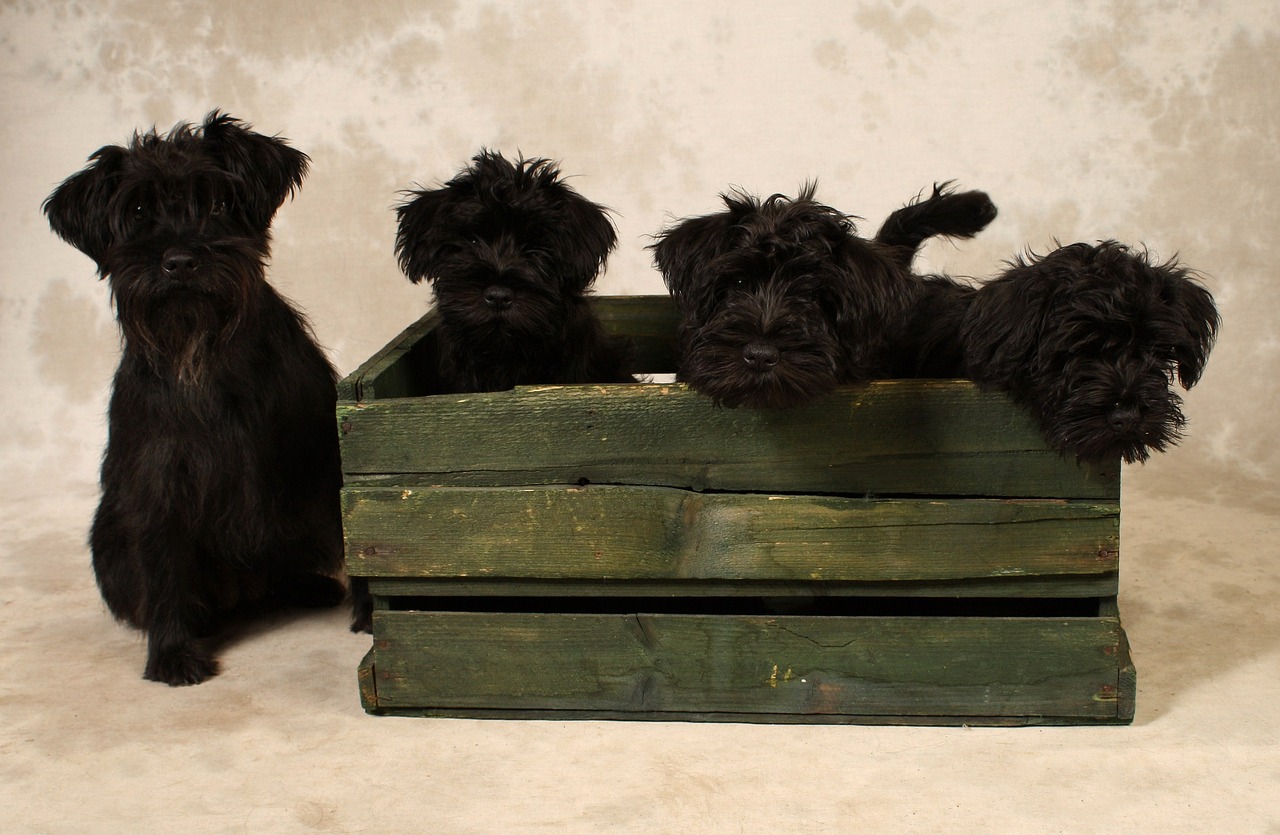

Tips for Transitioning Your Puppy to a Larger Crate
When considering the transition to a larger crate, it is essential to ensure that your puppy feels comfortable and secure. Begin by selecting a crate that is appropriately sized, allowing the puppy to stand, turn around, and lie down comfortably. For puppies, crates should ideally be a little larger than the current one to avoid feelings of being confined. Furthermore, adding soft bedding can help create a more inviting space that encourages your puppy to feel at home. Gradually introducing the new crate can reduce anxiety. You might begin by placing the crate in a common area, allowing the puppy to explore it without pressure. Treats can be an effective tool; placing some inside can entice your puppy to venture in. Do not rush the process; allow plenty of time for your puppy to adapt. If they show signs of stress or hesitation, revert to the previous crate temporarily. Remember, patience and consistency are key elements in making the transition as smooth as possible.
After your puppy has explored the new crate, start to incorporate duration. This means encouraging your puppy to spend short periods inside the crate while you remain close by. Gradually increase this duration over time, ensuring they associate the crate with positive experiences. Utilize interactive toys to keep your pet engaged while they are in the crate. You could also try feeding your puppy in the crate as it helps create a positive atmosphere associated with it. If you need to leave the room, ensure your puppy is safe and enjoying a toy or treat to distract them from your absence. Consistency is critical; establish a routine so your puppy becomes accustomed to spending time in their new space. Furthermore, monitor your puppy for signs of stress or discomfort, adjusting the approach as necessary. Always praise them for good behavior inside the crate. Remember, crate training is not just about confinement; it should feel like a safe haven for your puppy. Encouraging exploration and providing comfort will ensure a happy transition.
Creating a Positive Crate Environment
Creating a positive environment within the new crate is pivotal. Start by ensuring the crate is clean and free from any unpleasant odors. Use puppy-friendly bedding that cushions the floor and makes it more comfortable. Familiar items from the old crate, such as toys or blankets, can be beneficial in easing the transition. Puppies are creatures of habit and often find comfort in familiar scents. Additionally, consider positioning the crate in a spot where your puppy feels secure, away from heavy foot traffic. They should feel like part of the family, not isolated. It may help to keep the crate door open during the initial days to promote exploration without pressure. Additionally, incorporate soft communication, such as gentle talking, and avoid loud noises when they are inside the crate. If your puppy appears anxious, provide calming aids, such as a pheromone spray, to create a relaxing atmosphere. Making sure the core elements needed for comfort are met will significantly improve crate acceptance and ease the transition process.
During this transition, ensure that your puppy gets ample exercise and socialization. A tired puppy is less likely to resist being crate-trained and more likely to view it positively. Incorporate short training sessions throughout the day, encouraging your puppy to obey commands and reinforcing their good behavior with treats and praise. Additionally, take your puppy on walks or engage them in interactive play sessions to burn off excess energy. Implementing this will also aid in promoting a sense of security and well-being. After active playtime, your puppy is more inclined to relax and willingly enter their crate. Remember, the objective is to create a balance between activity and rest, establishing that both are essential to a healthy puppy lifestyle. By doing this, you help reinforce their comfort in the crate. Consistent routines will foster a sense of security, thus facilitating a smoother transition to the new crate. Assess your puppy daily to ensure they adapt well and maintain a positive outlook toward the new crate.
Dealing with Accidents in the Crate
Accidents can happen during crate training; it is essential to remain calm and understanding. If you discover that your puppy has had an accident, avoid punishment as this can lead to fear associated with the crate. Instead, clean the area thoroughly with an enzymatic cleaner to eliminate odors, ensuring it is no longer a place where they want to relieve themselves. Observe your puppy’s behavior closely to detect signs indicating they need to go outside, such as whining, pacing, or sniffing around. Regular potty breaks, especially after meals and playtime, will minimize the chances of accidents occurring. Implementing a schedule for potty breaks can greatly enhance their understanding of where to potty. Patience plays a crucial role when dealing with setbacks; focus on positive reinforcement when your puppy is successful at relieving themselves outside. Celebrate these accomplishments with affection and treats to reinforce good behavior surrounding the new crate experience. Every step taken towards a positive relationship with the crate will greatly benefit your puppy in the long run.
As your puppy settles into their larger crate, continue to monitor their comfort level. You may want to make adjustments based on their reactions; for example, if they seem anxious or restless, reassess their bedding and crate positioning. Introducing a crate cover may also help by creating a den-like environment that can calm their nerves. Be aware, however, not to completely limit their visibility; ensure that they can still feel a part of the household. Gradually allowing them to spend longer periods in the crate without your presence will build their confidence. When the crate is seen as a safe space rather than confinement, your puppy will likely thrive. Additionally, make crate training a part of the daily routine, so your puppy grows accustomed to it being a normal part of their life. As with any training, the key is consistency. Every positive experience will reinforce the understanding that the crate is a safe, secure, and happy place for rest and relaxation, setting the stage for a lasting bond between you and your puppy.
Final Thoughts on Crate Transition
The transition to a larger crate can be a rewarding experience for both you and your puppy. By following these tips, you create a gradual and positive process that can enhance your puppy’s comfort and security. Remember, every pet is unique, so finding the right approach may take time and experimentation. Be patient and observant, adjusting your methods as necessary based on your puppy’s reactions. Ensuring they associate their new crate with happiness will be integral to their comfort level. Celebrate the milestones along the way, whether small or large, as this will motivate you both! Also, keep in mind that all journeys take time; the more you invest in creating a positive crate environment, the quicker your puppy will adapt. Hold on to the knowledge that patience, consistency, and understanding are fundamental in this journey. Ultimately, the goal is to transform the new crate into a cherished space your puppy will love to return to time and again. With nurturing and guidance, they will confidently embrace their larger crate, paving the way for a harmonious relationship.
Preparing your puppy for life within the context of a larger crate offers opportunities for growth, learning, and relaxation. Recognizing that this journey takes time is critical for both owner and puppy. Embrace each step, and remember that successful crate training reflects the quality of your bond together. Your love and support during this transition will create lasting memories and a solid foundation that nurtures your puppy’s emotional well-being. Enjoying the process together, filled with moments of connection, enables a brighter future for you and your growing pup. Watching your puppy adapt and thrive within their crate can bring great joy, as they become more secure and confident over time. Commit to the best practices during crate training, ensuring structured schedules, rewards, and plenty of love. Your positive involvement is essential as you both navigate this exciting new chapter in your lives. Cherishing these moments encourages a thriving relationship with your furry companion, setting the stage for wonderful adventures to come. Celebrate your successes and enjoy the journey together as a powerful team.