
Safe and Engaging Exercise Games for Elderly Dogs
Engaging elderly dogs in exercise is crucial for their physical and mental health. Exercise games can stimulate their minds while keeping them fit. One of the best activities is gentle fetch. For this, use a soft ball or toy that’s easy on their teeth. When playing fetch, ensure the distance is manageable for their age and fitness level. If walking to retrieve the toy is too much, consider encouraging them to stay in one spot while you roll the ball towards them. This minimizes the strain on their joints. Additionally, you can reward them with treats after retrieving, which makes the game more enjoyable. Another suitable play activity is hide and seek. Start by hiding a favorite toy and allow your dog to use their nose to find it. This taps into their natural instincts and provides mental enrichment. Always praise them when they succeed. Incorporate these games into their routine to ensure they remain active and engaged. Remember, always tailor the activity based on their individual capabilities and health condition, consulting with your veterinarian if necessary.
Another great game is the “Tug and Release” game, which promotes engagement without strenuous activity. Use a soft, easy-to-grip tug toy. Ensure that your elderly dog understands the “release” command to prevent excessive strain on their body. Tugging can be a delightful way to stimulate their muscles, as long as the movements are gentle. Monitor their reactions closely; if they seem uncomfortable, offer breaks. You can also try to incorporate some interactive puzzle toys that require light physical activity and mental engagement. These toys often reward them with treats when they successfully solve the puzzle. It encourages both cognitive function and movement without overexertion, making it ideal for older pups. Learning new tricks at a slow pace can be beneficial too. Teach them simple commands or tricks using positive reinforcement techniques. This keeps their mind sharp and requires physical effort, albeit minimal. Between these activities, maintain a consistent routine for exercise to help regulate their energy levels. With patience and positive reinforcement, your elderly dog will both enjoy and benefit from these fitness games, fostering a strong bond between you.
Interactive Play and Gentle Stimulation
Interactive play is essential in keeping senior dogs both mentally and physically stimulated. A gentle game of “find the treat” can enhance their problem-solving skills. Start by hiding small treats around your living area or backyard and encourage your dog to sniff them out. This stimulates their mind and physical senses without excessive physical exertion. You can make the game progressively more challenging by using a variety of hiding spots. Monitor their enthusiasm as they search for treats. You may also switch things up by using scent trails to lead them to the hidden rewards. Make sure the treats are small and healthy to avoid excessive calories. For dogs with mobility issues, daily short walks can be excellent for getting them refreshed. Additionally, using a harness instead of a collar helps distribute the weight evenly, reducing strain. Walking on soft surfaces like grass rather than pavement can also minimize impact. If your dog enjoys it, find locations that allow their favorite scents. This provides fun and interaction with their environment without overdoing physical activity. Regular short walks combined with game sessions will ensure a rounded, happy routine.
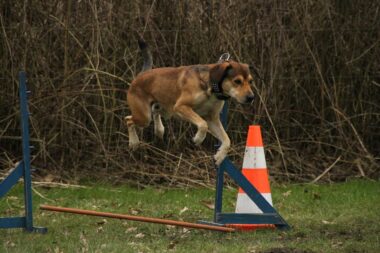
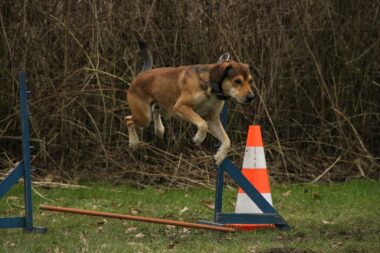
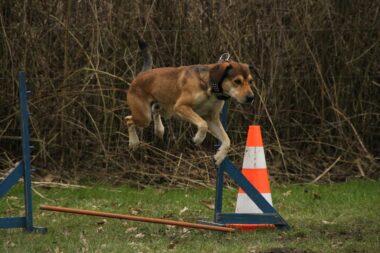
Gentle tug-of-war can also serve as a safe exercise option. With this, it’s crucial to be mindful of your dog’s comfort level and enlist a soft tug toy for the game. It is essential to establish a mutual understanding of “let go” or “stop” commands. Always keep the session light and enjoyable rather than competitive. This activity helps in maintaining their strength through safe physical engagement. Another fun option introducing some basic low-impact agility exercises can spark excitement. Set up a mini obstacle course using safe, soft objects that are easy for your dog to navigate. Design obstacles like low ramps or small hoops to step through. Encouraging your dog to complete each section at their own pace fosters both confidence and agility. Basic concepts from agility training can further strengthen your bond, as well. Progressively adjusting the challenge can help keep the experience fresh without risking their safety. Finally, tailor these routines to match your dog’s preferences. This individualized approach results in a fulfilling exercise regimen tailored to their unique needs.
Using Technology for Engagement
Modern technology presents additional avenues for engaging your elderly dog. Consider investing in toys that require activation through movement or interaction. Many options are available to challenge their cognitive skills while promoting movement, such as toys that dispense treats when pushed. Moreover, interactive pet cameras can help you monitor your dog while at home. Some devices even enable you to dispense treats or play soothing sounds remotely. This means you can creatively keep your senior dog mentally active while maintaining a sense of connection, even at a distance. Collaborative fetch games using a toy activated from a distance can be particularly engaging. Using a phone app with your dog -choose a toy he can follow commands from your device. Such games can react to your dog’s movements and offering automated rewards. Make sure to monitor their participation to avoid overwhelming them with excessive stimulation or frustration. Gently adjusting duration and pace keeps the excitement alive without causing fatigue or discomfort. Regular sessions with these technologies provide fun, mental challenges, and delightful interaction.
In addition to interactive technology, consider adding some light music or soothing sounds to your dog’s environment. Music has been shown to have calming effects on pets, especially elderly dogs. Create a peaceful atmosphere through background sounds during their exercise sessions or playtime to promote relaxation and happiness. Integrating this approach can reduce anxiety and encourage more extended engagement during physical activities. Pets often respond positively to specific genres, particularly classical music or nature sounds. Another engaging activity is synchronized movement with your dog. Gentle exercises such as stretching or simple choreography can encourage bonding and a shared experience. Calmly utilize treats to guide your dog through movements that promote stretching and light exercise while enhancing interaction. Involving body language and verbal encouragement ensures a positive experience. Always consult with your veterinarian about your dog’s capabilities and limitations when introducing new activities. Each dog is unique, and tailoring exercise games to their needs is vital. Maintain flexibility in adjusting routines based on varying health status and energy levels to create a fun, safe environment.
Wrap-up: Keeping Senior Dogs Active with Love
Ultimately, the aim is to keep your elderly dog healthy and happy. Regularly incorporating gentle exercise games into their daily routine enriches their lives. Building a fun bond through play keeps them engaged, reducing the chances of boredom and behavioral issues. Make sure all activities are adjustable to suit their unique needs, considering any underlying health issues. Gentle interactions, calm sessions, and patience help foster trust and companionship. Remember to vary activities to maintain interest and enthusiasm. Additionally, observe your dog’s responses during each session. Look for signs of tiredness and adjust the intensity accordingly. Older dogs might tire easily, so ensuring lots of breaks and hydration is essential. Developing this routine, full of love and care, is an investment in your dog’s well-being and longevity. With thoughtful adjustments and enjoyable activities, your senior dog can lead a fulfilling, active life, fostering both mental and physical stimulation. Most importantly, they will cherish the time spent with you while enjoying the benefits of an active lifestyle. Celebrate these moments and make the most of your bond!