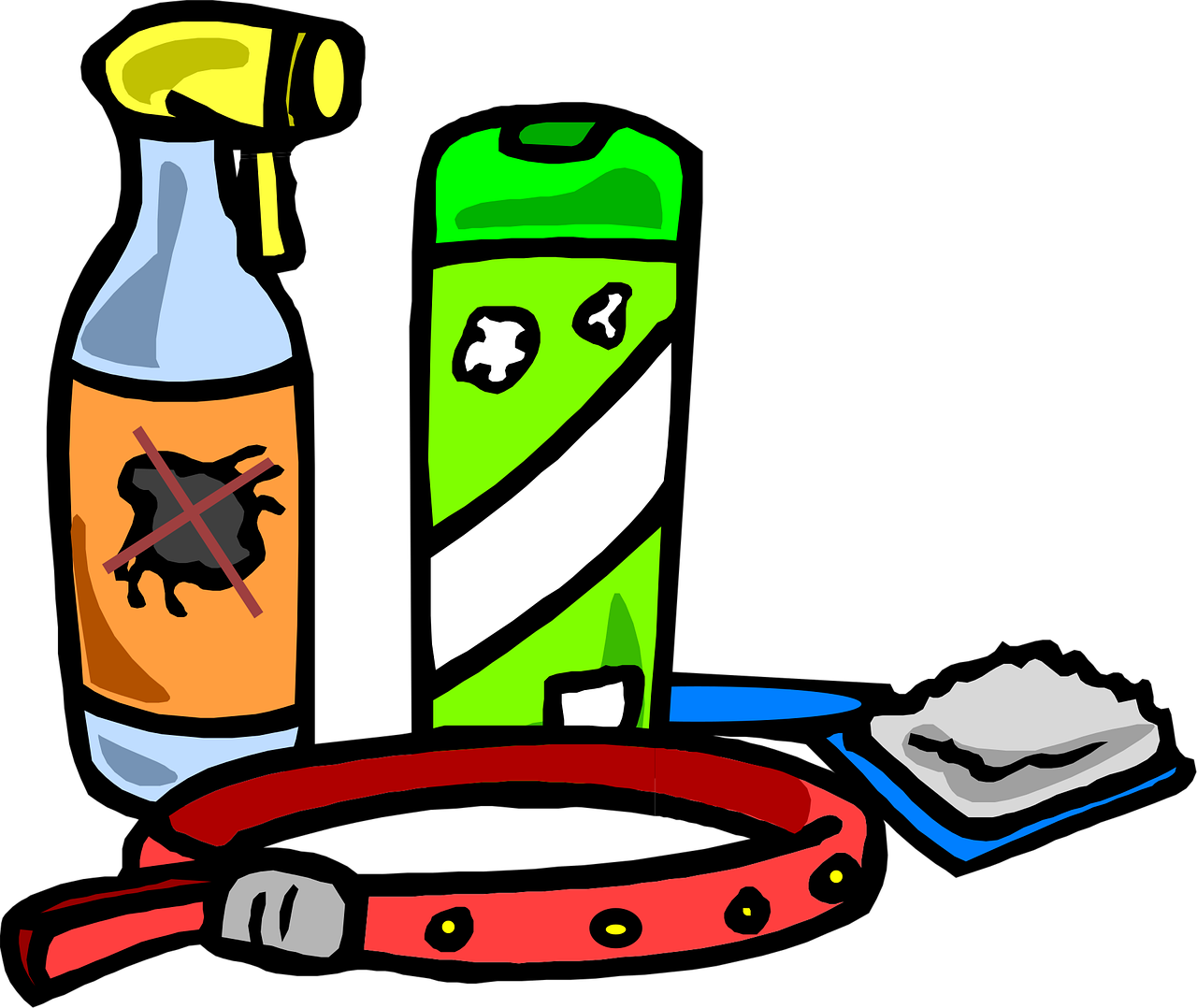

Managing Parasites: Protecting Rescued Cats from Fleas and Ticks
Rescued cats are often vulnerable to various health issues, especially parasites like fleas and ticks. These pests can lead to severe discomfort and serious health complications. Fleas can cause skin allergies, while ticks are known to transmit diseases such as Lyme disease. Regular preventative care is crucial in maintaining the health of rescued cats. The first step involves a thorough examination to detect any existing infestations. It’s essential to consult with a veterinarian to determine the best treatment options available. Depending on the severity of the infestation, various treatments ranging from topical solutions to oral medications might be recommended. Additionally, environmental control plays an integral part in parasite management. This includes washing bedding, vacuuming carpets, and using flea traps in the home. Moreover, keeping the yard clean by mowing the lawn and removing debris can reduce outdoor exposure to these pests. Establishing a routine for administering preventative treatments is vital. Always adhere to the suggested schedule provided by your veterinarian to ensure the continued protection of your cat against these harmful parasites.
Understanding the life cycle of fleas and ticks is essential in effectively combating these pests. Fleas can reproduce rapidly, laying hundreds of eggs in a short span, which can quickly lead to an infestation. Their life cycle can develop in various environments, making it crucial to target each stage. Similarly, ticks go through multiple life stages, and understanding their habitats helps in preventive measures. Additionally, certain breeds of cats may be more susceptible to parasite infestations due to their fur types or lifestyles. Regular grooming can assist in reducing the chances of fleas and ticks attaching to your cat. During grooming, check for any signs of pests within the fur or on the skin, such as flea dirt, which appears as small black specks. If found, it’s significant to act quickly to remove them. The use of flea combs can be highly effective, and many veterinarians recommend using them as part of a grooming routine. It is also essential to ensure that your home and yard are treated for these pests. Consulting professionals can provide tailored solutions for your specific situation, ensuring the health and comfort of your rescued cat.
Selecting the Right Treatment
Choosing the right flea and tick treatment for your rescued cat involves several considerations. As every cat is unique in health and lifestyle, it’s paramount to review options with a veterinarian. There are numerous products available, including topical treatments, oral medications, and collars. Each of these has its benefits and drawbacks based on your cat’s situation. For instance, some cats may find topical treatments irritating, while others may be more comfortable with oral options. Additionally, consider the environmental factors that could affect your choice. If you live in an area with a high incidence of ticks, a combination treatment that targets both fleas and ticks might be more effective. It’s also worth noting that managing parasite treatments involves a commitment to a regular schedule. Keeping a calendar or reminder can be helpful in ensuring you don’t miss doses, particularly with oral medications requiring strict adherence to prevent reinfestation. Always watch for any reactions or side effects after administering treatments, and consult with your vet to adjust as necessary. In this way, you can find the ideal solution that fits both you and your rescued cat.
Prevention can play a significant role in managing flea and tick infestations in rescued cats. Regularly administering preventative treatments is essential for keeping your new feline friend safe. There are various options available for prevention, including topical treatments that can be applied once a month, collars that contain flea and tick repelling ingredients, and pills taken orally. For long-term effectiveness, it is advisable to consult with your veterinarian to determine the best prevention timeline and method. Creating a safe and comfortable environment for your rescued cat also matters. Regularly cleaning their sleeping and lounging areas, along with proper grooming, can help identify any issues before they lead to full-blown infestations. Many rescued cats are also vulnerable while outdoors; thus, keeping them indoors or ensuring they are in a controlled outdoor environment during peak flea and tick seasons can be beneficial. During trips to the vet, always inquire about preventative protocols based on your geographical region. By taking these essential preventive measures, you can significantly reduce the risk of your rescued cat suffering from flea or tick-related problems.
Monitoring for Signs of Infestation
It’s vital to monitor your rescued cat for signs of fleas or ticks, especially following any treatment or prevention measures. Symptoms can range from simple scratching to more severe reactions like skin infections or anemia due to the loss of blood. Fleas often cause intense itching, leading cats to scratch, bite, or chew at their skin. Persistent scratching may indicate the current presence of fleas or that the cat has developed an allergy to flea saliva. Observing your cat closely will help you anticipate any potential issues. Additional symptoms include hair loss, redness around the skin, or small bumps, which can signify allergic reactions. For ticks, look for small dark spots on your cat’s skin, particularly around the ears, neck, and between the toes. If you spot a tick, it’s crucial to remove it promptly using fine-tipped tweezers, grasping the tick as close to the skin as possible. After removal, keep an eye on the bite area for several weeks, and consult a vet if you notice any swelling or signs of infection. This vigilance ensures your cat remains healthy and comfortable.
Fleas and ticks can cause various health problems for rescued cats, making regular veterinary care essential. Some serious issues could arise from flea infestations, such as flea anemia, especially in young or frail animals. Similarly, ticks can transfer dangerous pathogens, leading to diseases that might not be immediately apparent. Therefore, always maintain a consistent schedule of veterinary check-ups to monitor your cat’s health. These visits should include thorough physical exams where the vet will assess your cat for any signs of parasite-related health concerns. Your veterinarian will also guide you on suitable preventive methods based on your cat’s overall health and lifestyle. In case of diagnosed infestations, following up with your veterinarian after initial treatments is crucial to verify if the plan is effective. Remember, addressing health issues early can drastically improve outcomes for your rescued cat. Moreover, educating yourself about parasite life cycles and identification aids in a proactive approach. This combination of prevention and monitoring will allow you to provide the best possible care for your furry friend, ensuring a happy and healthy life.
Conclusion and Future Steps
In conclusion, managing fleas and ticks in rescued cats requires a multi-faceted approach. It begins with understanding these parasites and their life cycles, followed by choosing suitable treatments tailored to your cat’s specific needs. Consistency in preventive care and monitoring for signs of infestation is key in maintaining your cat’s health. Regular communication with your veterinarian ensures that you remain informed about the most effective measures for parasite control. Additionally, creating a clean, comfortable living environment combined with consistent grooming practices further enhances your cat’s well-being. If you recently rescued a cat, a proactive mindset is crucial for its ongoing health. Commitment to regular veterinary visits, combined with educated preventive strategies, leads to a happier and healthier feline companion. Embrace these necessary actions, building a loving and safe home for your rescued cat. Often, the joy of adopting a rescued cat is realized when they thrive in your care. By prioritizing health and comfort, you become an advocate for their well-being, ultimately leading to a fulfilling companionship filled with love and trust. Remember, your ongoing efforts will significantly contribute to your cat’s overall happiness.
Taking these steps ensures a strong bond between you and your rescued cat, helping them adapt to their new life. Being vigilant about potential health issues, especially regarding parasites, will pave the way for a happier, healthier life. Your cat’s health is directly influenced by your actions, from prevention to treatment. While it may require more effort initially, the rewards are immeasurable when seeing your rescued cat thrive in a safe environment. It’s a partnership built on mutual care and respect that fosters a strong connection. Investing in your rescue cat’s health, including regular check-ups and grooming, can make a significant difference. Therefore, while managing parasites is integral, remember the importance of love and attention in nurturing your new friend. With time, you will build a bond that enriches both your lives, transforming the experience of rescuing a cat into a lifelong journey of companionship. So embrace the challenges and triumphs of cat rescue, knowing your dedication leads to a fulfilling partnership.