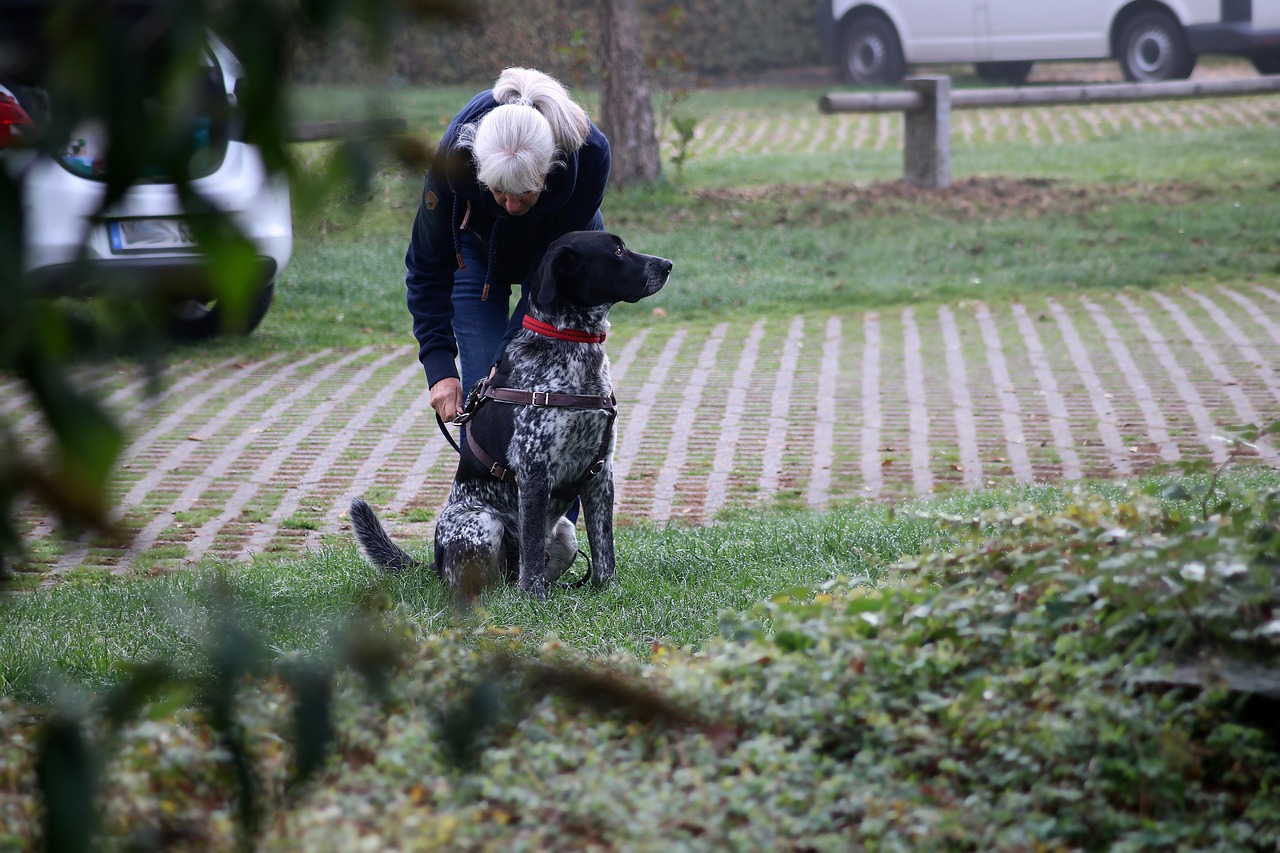

The Role of Search Dogs in Rescuing Lost Pets
The heartbreaking sight of a lost pet can leave owners devastated and searching high and low for their furry friends. Many turn to community efforts for assistance, but one of the most effective methods involves the assistance of trained search dogs. These remarkable animals possess an extraordinary sense of smell, allowing them to track scents over vast distances and challenging terrains. Search dogs are a beacon of hope for pet owners, transforming the search process into a more strategic effort. They can discern scents even weeks after a pet has gone missing, providing invaluable leads for handlers and owners alike. For many, these dogs are not just pets but also lifelines. The bond between the handler and the dog is crucial, as they work in tandem to locate lost animals. Owners who have experienced the heartache of losing a pet often express immense gratitude for the work that search dogs do. Their success stories inspire communities to engage in rescue efforts and foster hope, demonstrating the powerful role dogs play in reunifying lost pets with their families.
In addition to traditional search methods, employing search dogs can drastically enhance the chances of reuniting lost pets with their owners. When a pet goes missing, the emotional toll on the family can be significant. That’s where search dogs come into play. Trained dogs are capable of picking up on the unique scent of an animal, even amidst distractions. Their sharp instincts lead search teams to where the missing pet might be hiding or resting. The process begins with a scent sample, such as a piece of clothing belonging to the pet or a toy. Once the dog has this scent, their tracking abilities come into action. A successful search operation often puts the dog at the forefront, guiding the team through parks, neighborhoods, and other environments, while the handler remains attuned to the dog’s signals. These amazing dogs demonstrate not only their capabilities but also their natural instincts. Their results speak volumes in helping communities understand the potential impact of search dogs in rescue operations. This method is not only effective but also creates stories that highlight the incredible bonds between pets and their owners.
Finding Success Stories
Numerous success stories can be attributed to the crucial role of search dogs in finding lost pets. For instance, there was a once heart-wrenching case of a golden retriever named Max, who went missing in a dense forest during a hiking trip with his family. After days of searching with a search dog named Bella, the team was finally led to him. Bella persevered through challenging terrains, eagerly following Max’s scent until they found him safe and sound. This kind of story is not isolated; many families have experienced a fortunate reunion thanks to the efforts of dedicated search dogs and their handlers. Social media often plays a role in spreading the word about lost pets. Many organizations or individuals work tirelessly alongside search dog teams to facilitate these reunions. Shared posts can garner assistance in the search process, ensuring that more eyes are looking out for the missing pet. Engaging the community is key to creating awareness and support, fostering a collaborative atmosphere to enhance the efforts of search dogs and their handlers in helping lost pets return home safely.
Community involvement proves essential in maximizing the effectiveness of search dogs when locating lost pets. The emotional distress of losing a pet often mobilizes friends, family, and local volunteers. They contribute to organized search efforts by traversing the areas where the pet was last seen, alongside search dog teams. Local businesses can have a significant impact as well; they often assist with printing flyers or promoting lost pet notifications in their establishments. This mutual cooperation not only increases awareness but also encourages people to participate actively in search missions. Moreover, social media platforms facilitate communication and sharing of information regarding lost animals, amplifying search efforts. Many dog rescue organizations maintain databases to help streamline efforts, allowing people to report sightings or provide details on potential locations. The beauty of these efforts lies in the sense of community they foster; people come together to make their neighborhoods a better place for all beings. Pets are considered family members, and the resilience showcased by community members during these searches is a testament to our collective compassion in bringing lost pets home.
Training and Skills of Search Dogs
The training of search dogs is both intricate and fascinating. These dogs undergo rigorous training to enhance their natural instincts, transforming them into proficient search and rescue companions. The process generally starts with basic obedience, ensuring the dogs are well-behaved and responsive. Subsequently, trainers teach them scent detection skills by using various scents, including animal dander or odors specific to a particular pet. The dogs learn to differentiate between scents, honing their ability to track down lost animals. Handlers play a crucial role, reinforcing the connection and establishing trust between the dog and the handler. The trust developed through this bond enhances the dog’s performance in the field. During training, dogs are often placed in simulated scenarios mimicking real-life situations to better prepare them for actual search missions. These scenarios help dogs practice scent detection in diverse environments, ensuring they are ready for any situation they may encounter. The dedication of trainers significantly contributes to the success of search dog teams, empowering them with the skills needed to bring lost pets back home.
Another critical aspect of search dogs is their unique ability to remain calm under pressure, allowing them to perform effectively in high-stress situations. During searches, it’s common for the environment to contain various distractions such as unfamiliar noises, people, or other animals. The well-trained dogs manage to focus on their task, employing their instincts to enable efficient scent tracking. Training for this resilience is just as important as learning scent detection; handlers need to prepare their dogs to adapt in challenging situations. Continued training helps ensure that dogs retain their skills and remain fit, ready to respond when called upon for actual searches. This preparedness is vital for successful missions where time is of the essence. Dogs possess remarkable endurance, allowing them to cover large areas without becoming fatigued. Many search dog teams work collaboratively with local law enforcement or animal control agencies, providing a reliable resource for rescuing lost pets. Their expertise and dedication further establish search dogs as invaluable members of the rescue community.
Conclusion and Call to Action
The stories of lost pets being reunited with their families thanks to search dogs illustrate the profound impact these dedicated animals make in our communities. As the demand for pet rescue continues to grow, the need for trained search dogs becomes increasingly vital. Communities can promote the training of search dogs and the creation of more search teams to enhance the effectiveness of these efforts. Additionally, encouraging pet owners to enlist in local volunteer organizations can contribute to a more extensive network of support in supporting lost pets. Financial support for training programs and awareness campaigns can further establish foundations for success. Through collaboration among pet owners, local organizations, and search dogs, the dream of reuniting pets with their families remains within reach. It’s essential to come together and advocate for such initiatives to ensure every lost pet has a fighting chance. The stories of hope and resilience inspire, showing that we can all make a difference in the lives of lost pets. Each effort counts when it comes to ensuring these beloved companions find their way back home.