
Child and Dog Safety: Teaching Kids Basic First Aid Procedures
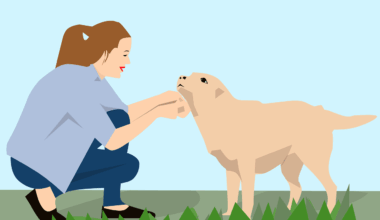
Kids and dogs can form a wonderful friendship, but it’s crucial to ensure they know safety and basic first aid procedures. Teaching children how to approach dogs, especially those that are unfamiliar, helps prevent accidents. Kids should always be instructed to allow dogs to sniff their hands first, showing that they respect the animal’s space. The importance of staying calm cannot be overemphasized; children should learn this calmness can contribute to the safety of both themselves and the pet. Discussing the proper way to interact, such as not pulling tails or ears, builds respect for dogs. Additionally, establishing rules on when to give the dog space is equally essential, like when the dog eats or sleeps. Making this learning process engaging can include role-play scenarios, allowing kids to practice what they have learned. Showing them how to recognize a dog’s body language and understanding signs of discomfort or aggression promotes better interactions. Finally, using visuals like illustrated charts or videos can reinforce the lessons, making them memorable. Proper preparation and education can lead to lasting bonds and reduced risks for both children and dogs alike.
Alongside teaching safety, it’s vital to inform children about basic first aid procedures for pets. Kids must understand what to do in emergencies, such as a dog being injured or falling ill. The first step teaches them to remain calm and to call an adult immediately. Depression, limping, or unusual behavior might indicate pain or distress, and kids must know these signs. They should also learn about assessing wounds, checking for bleeding, and knowing when to apply pressure. The key is to foster a non-frightening approach, where kids feel empowered to help in a crisis. Creating a checklist of actions can be helpful. For instance, the steps may begin with assessing the situation, contacting a veterinarian, and ensuring the dog remains comfortable. Interactive sessions, where kids can practice bandaging a stuffed animal, enhances skill retention. Additionally, walking them through the process of cleaning minor cuts can encourage confidence. Furthermore, teaching the importance of following up after initial care, such as monitoring for symptoms, reinforces responsible pet ownership. Children could also get involved by creating first aid kits specifically for pets, ensuring readiness during emergencies.
In constructing a first aid kit for pets, children should understand what supplies are essential. A well-stocked first aid kit is an invaluable resource during medical emergencies. First, the kit should ideally contain antiseptic wipes or spray for cleaning wounds, as well as bandages in various sizes. A roll of veterinary adhesive tape is also useful for securing dressings. Safety scissors can help in easily cutting gauze or tape while ensuring child safety is prioritized with rounded edges. Additionally, a digital thermometer designed for dogs is necessary to monitor temperature. It is equally important to include medical gloves to ensure hygiene during treatment. Identifying ingredients or medications for allergic reactions could also be crucial. Moreover, children’s first aid kits should contain a muzzle to prevent biting when an injured animal is in distress. Labels with emergency numbers for local vets can simplify communication in emergencies. Children can participate in preparing the kit to help them understand the importance of each item. Assembling the kit teaches responsibility and builds a proactive mindset for pet care, while also having fun while ensuring safety for their furry friends.
The Role of Parents and Educators
Parents and educators play a critical role in teaching children about dog first aid. It is their responsibility to create an environment where children can learn the appropriate responses to pet emergencies. Schools could incorporate pet safety and first aid lessons into their curriculum as part of community health education. Engaging workshops led by veterinarians can excite children and develop critical thinking around pet care. Parents can complement this by setting an example, demonstrating responsible pet ownership at home, and guiding children through pet interactions. Consistent communication about the importance of being gentle and attentive nurtures empathy around pets. Regular visits to the veterinarian can also help children understand when medical intervention is necessary. Furthermore, emergency drills for common pet-related incidents ensure readiness. For instance, discussing what to do if a dog runs away or gets injured can create preparedness. Sharing real-life experiences and how family pets were cared for during emergencies can also make lessons relatable. Additionally, forming community networks can foster connections among families, providing a deeper understanding of caring for pets. Overall, collaborations between families and schools can enhance knowledge, facilitate discussions, and create safer environments for kids and pets alike.
Besides first aid practices, it’s important to help kids contextualize their learning into real-life scenarios. Children learn best through experiential learning, so offering opportunities for direct interactions with well-behaved dogs can assist this. Visits to local animal shelters or pet clinics can reinforce first aid principles through observational learning. Additionally, programs that focus on therapy dogs can highlight the benefits of pet care and pet therapy. Teaching personal safety and responsibility is equally vital, which involves allowing children to take on supervised roles when caring for the family dog. This could include feeding, walking, or simply playing with the pet. Providing a structure for these responsibilities gives kids a sense of ownership while prompting discussions about pet health. Similarly, teaching children about the impact of nutrition, exercise, and hydration on a pet’s wellbeing is part of responsible pet ownership. It reinforces the importance of holistic care. Overall, fostering an environment where kids become proficient in understanding both the procedural aspects of first aid and general pet care will lead to a future generation that confidently and compassionately handles pet-related scenarios.
Community Involvement in Teaching
Community involvement is crucial in reinforcing the knowledge children acquire regarding dog safety and first aid. Engaging local organizations or animal welfare agencies to participate in educational activities can enhance a child’s understanding and confidence. For example, hosting community workshops or events focused on pet safety and first aid can provide a unique learning platform for children. These events can feature engaging activities, such as demonstrations by professional animal handlers or veterinarians, offering insights into proper pet care. Moreover, partnering with local schools can foster structured learning. Schools can coordinate extracurricular activities, inviting local shelters or veterinary clinics to present engaging lessons. Field trips to such organizations can reinforce real-world applications of safety practices and first aid skills. Additionally, local businesses can contribute by sponsoring first aid kits for schools and families to use. Collaboratively creating and distributing informational materials can further promote awareness and education about pet care. Engaging families in discussions about their experiences with pet safety can create a community-oriented approach that underscores the significance of knowledge sharing and collaboration within the community toward increased safety for kids and dogs.
Lastly, developing strategies to encourage ongoing conversations about pet first aid in families is essential. There must be an emphasis on maintaining an open dialogue, where questions regarding pet safety are encouraged. Regular check-ins with children on what they learned can reinforce valuable information and ensure deeper understanding. Setting aside time during family gatherings or meals to discuss the importance of pet health and how everyone can contribute can augment shared responsibility. Moreover, sharing success stories about managing pet health can inspire confidence among children. Consider designing games or quizzes where everyone engages, challenging each other on their knowledge about pet care and first aid techniques. Additionally, social media platforms dedicated to pet care might serve as a forum for families to discuss experiences or seek advice. Creating a family pet care plan, which outlines first aid steps for different scenarios, can ensure everyone is prepared. Overall, establishing a proactive culture around pet care ensures that children feel equipped to handle emergencies confidently, while nurturing a lifelong bond between them and their furry companions. Building these conversations promotes safety and strengthens connections across families.
In conclusion, knowledge of dog first aid is a vital component of responsible pet ownership. Equipping children with the skills to handle emergencies not only fosters confidence but also helps establish a safe environment for both kids and pets. Parents, educators, and community members must collaborate to provide robust education, ensuring all children can learn proper safety and first aid techniques. By encouraging children to take an active role in their pets’ care while also educating them about potential risks, we promote empathy and responsibility. Through organizations, workshops, and hands-on experiences, children can become well-versed in recognizing when veterinary assistance is necessary. Learning should be interactive and fun, which can be achieved through role-plays, quizzes, and community events. Creating first aid kits together or engaging in local pet activities fosters teamwork and teaches values of care. By embedding these critical lessons into everyday discussions, families can create an ongoing legacy of safety and compassion. Ultimately, the goal is to inspire the next generation to view pets as family members worthy of love, care, and attention, ensuring a safe and enjoyable relationship for years to come.