
Common Mistakes to Avoid with Remote Dog Training Devices
Using remote dog training devices can significantly enhance your dog training efforts, but several common mistakes can undermine your results. First, one prevalent mistake is failing to thoroughly understand the device before use. Each system comes with various settings and functions. It’s crucial to read the user manual or watch instructional videos online to understand how to best utilize the features. Secondly, many dog owners mistakenly jump into the training process without establishing a bond with their dogs; this bond is vital for effective training. Dogs need to trust you fully, so spend quality time with your pet doing enjoyable activities. Furthermore, some individuals ignore the training environment by attempting to train their dogs in distracting locations. Always choose a quiet space for training sessions to allow the dog to focus. Neglecting to provide rewards and positive reinforcement is another mistake. Using treats and praises aids in encouraging good behavior. Lastly, be patient and consistent. Training takes time, and your dog may not respond immediately. Do not resort to harsh corrections, as these could be damaging to your dog’s psyche. Instead, focus on positive reinforcement.
Avoid Inconsistency in Training
Another critical mistake frequently made is inconsistency in training. The effectiveness of remote dog training devices relies predominantly on training consistency. Dogs thrive on routine, and inconsistent training can confuse them about what behavior is expected. Establish clear rules and expectations, and ensure everyone involved in the dog’s training adheres to them. For example, if one family member allows the dog on the couch while another does not, the dog becomes unsure about the rules. Another aspect of inconsistency arises from varying commands or signals. When using a remote system, use consistent phrases or gestures to indicate commands. Additionally, timing is key; not responding quickly to the dog during training can confuse the dog about what behavior is being corrected or reinforced. Furthermore, training should never be sporadic. Schedule regular sessions to maintain progress. Daily short practices are more effective than lengthy, infrequent sessions. Understand that every dog learns at their own pace. Patience goes a long way; allow your dog time to learn without feeling rushed. Regularly assessing your dog’s progress can help ensure they are on the right track.
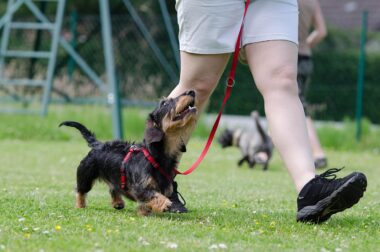
Underestimating the power of your dog’s leash is another common oversight. Many dog owners believe that remote training eliminates the need for a leash entirely. However, in reality, the leash serves as a crucial tool for both safety and guidance. Leashes help you maintain control of your dog during training sessions or when practicing commands outside. It is advisable to maintain a leash until your dog demonstrates and proves reliability on commands consistently. Moreover, incorrect usage of the remote itself can lead to ineffective training. Devices often come with various settings; ensure you are familiar with how and when to adjust these settings. Overcorrection can also be detrimental; avoid using overly high levels of stimulation for corrections. Always start at the lowest level to see how your dog reacts, then gradually increase if necessary. Patience and judgment are essential here. Additionally, many people make the mistake of assuming their dog knows what the remote signals mean without prior training. Instead, ensure they understand the relationship between the stimulation and their behavior. Take the time to clarify commands before using the device in a training capacity.
Ignoring the Importance of Socialization
Proper socialization is critical when using remote dog training devices. Training at home is important, yet dogs also need exposure to various environments and other canine friends. Failure to socialize your dog can lead to behavioral issues that the remote training might not address successfully. Without social opportunities, your dog may develop anxiety or aggression towards stimuli. Regularly involve your dog in community events, training classes, or dog parks to support its social skills. Additionally, be cautious not to expose your dog to too much too quickly. Gradually introducing your dog to new experiences is essential. Monitor their reactions and avoid overwhelming them. Furthermore, many owners overlook the significance of their own emotions during training. Dogs can sense their owner’s anxiety, frustration, or impatience. Keeping a calm and positive demeanor helps create a conducive environment for learning. Also, consider incorporating other training tools alongside remote devices. Combining methods can help address various behaviors effectively. Lastly, never punish your dog harshly when it struggles to understand. Instead, redirect and encourage them to succeed, reinforcing the bond of trust.
Another major mistake occurs when the owner fails to assess their dog’s health prior to implementing remote training. Physical issues can affect your dog’s behavior and capability to learn new commands. A dog in pain or discomfort will likely not respond favorably to training efforts. It’s advisable to consult with a veterinarian to address any underlying health issues before starting the remote training. Moreover, many owners mistakenly believe that remote devices can replace professional training altogether. While they can be useful tools, they do not substitute for comprehensive training that often involves professional guidance. Investing in professional lessons, at least initially, can yield better long-term results. Furthermore, failing to keep clear training logs can hinder progress. Keeping detailed notes about your sessions can help identify what works or what changes may be necessary. Planning and reflection are crucial in training. Lastly, do not overlook your dog’s individual personality and temperament during training. Every dog is unique, and what works for one may not work for another. Tailoring your approach to suit your dog’s specific needs is essential for achieving successful outcomes.
Disregarding Maintenance of the Training Device
Ignoring the need to maintain your remote training device can also lead to ineffective training sessions. Many owners may forget that these devices require regular checks to ensure they are functioning correctly. This maintenance includes checking batteries, testing buttons, and ensuring that the transmitter and receiver are properly synced. Any malfunction can result in confusing signals for your dog, delaying training progress. Additionally, neglecting to recharge or replace batteries can halt training abruptly. Users should schedule regular maintenance checks and plan ahead, especially if the device is frequently used. Also, many people make the mistake of improper storage of the device. Keeping your remote in a secure location protects it from damage and ensures it’s readily available when needed. Furthermore, using the device without familiarizing yourself with the appropriate corrections can lead to negative repercussions for your dog’s behavior. Understand the distinction between a tap or a longer hold, treating each appropriately based on the context. Moreover, don’t skip learning about new features or app updates related to effective use. Staying informed can enhance your overall experience and productivity with these devices.
Lastly, relying too heavily on the remote training system can lead to a lack of relationship development between the dog and owner. Many people may see the device as a quick fix instead of recognizing the holistic approach to training as vital. Building a loving and trusting relationship is the foundation for effective training. Dogs require affection and social interaction, so don’t solely rely on electronic tools. Ensure to spend individual time with your dog outside of training sessions to reinforce your bond. Additionally, neglecting to balance training with engaging activities further detracts from your program. Ensure that every training session includes elements of play and fun, so your dog remains enthusiastic and eager to learn. Furthermore, many owners fail to ask for help when needed, resulting in stalled training progress. Do not hesitate to reach out to a professional trainer when uncertain about any aspect of the process. Lastly, remember that training is not a one-size-fits-all approach; what works for one dog might not be effective for another. Adapt your strategies based on your dog’s learning style and preference.