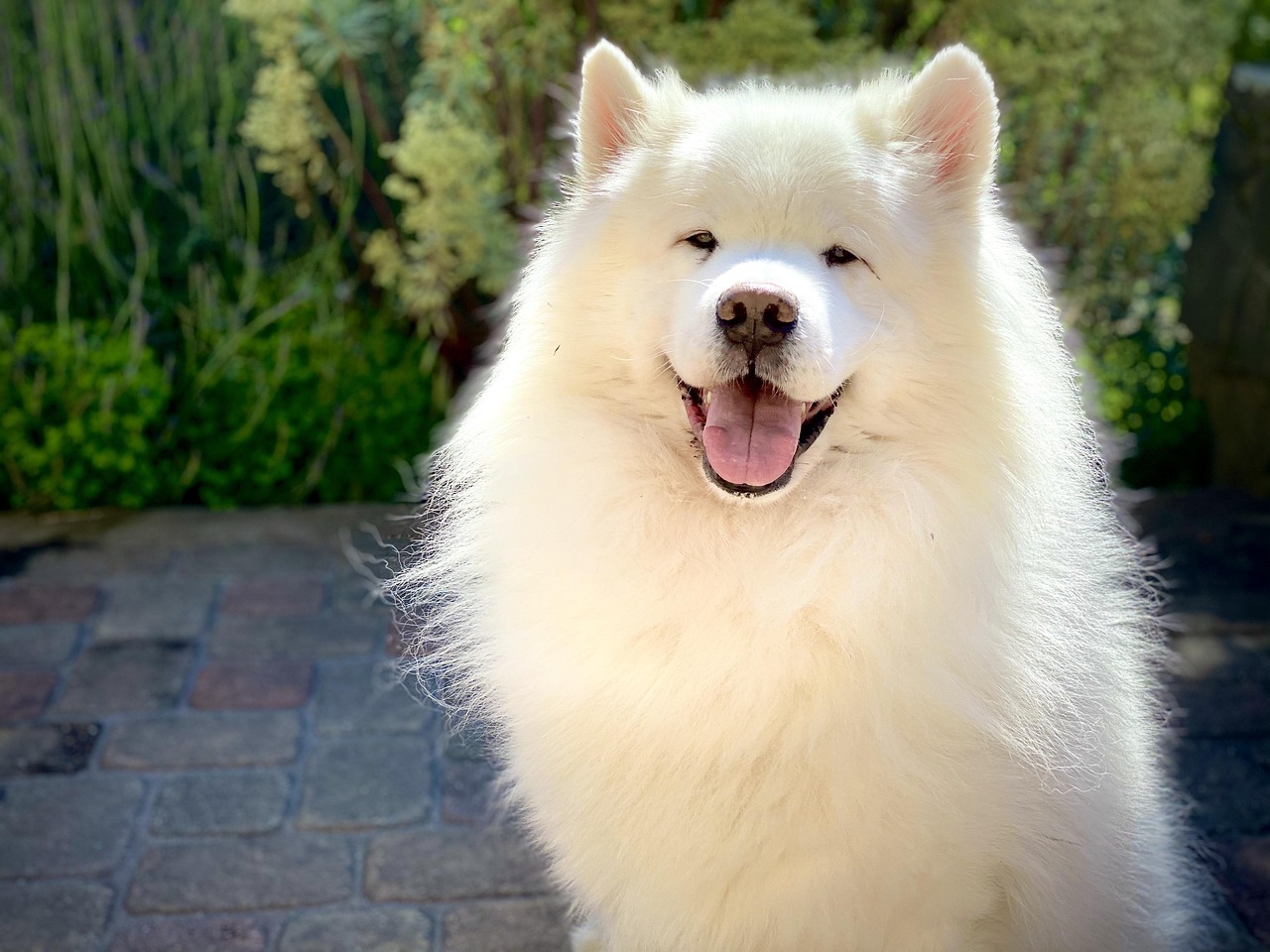

Samoyed Puppies: Choosing and Caring for Them
Choosing a Samoyed puppy can be an exciting yet daunting experience. It’s essential to understand the breed’s characteristics and requirements. First, think about the reputation of the breeder. Make sure they are reputable and prioritize the welfare of their puppies. This ensures that the puppy is healthy and has a good temperament. Look for breeders who provide health clearances for both the puppy’s parents. A documented lineage is critical in predicting potential health issues. The first step is to visit the breeder to meet the puppies and their parents. Observe the environment and assess if it promotes healthy growth. Ask the breeder about socialization and early training, which are crucial for developing a well-behaved pet. Consider the energy level of the puppy because Samoyeds are playful and require regular exercise. Also, check if the sibling puppies exhibit the traits you find desirable. Feel free to ask any questions regarding feeding, grooming, and exercise needs. This information will help you adapt to your puppy and transition smoothly into pet ownership. Overall, a well-informed decision will lead to a joyful companionship.
Once you’ve selected your Samoyed puppy, the next step involves preparing your home for its arrival. This means creating a safe and welcoming environment that caters to the puppy’s needs. Start by puppy-proofing your home; remove hazardous items like chemicals, cables, and small objects. This ensures a secure play area for the curious pup. Invest in essential supplies like a comfortable bed, feeding bowls, a collar, and leash. You’ll also need suitable toys for mental stimulation and chew toys for teething. Quality puppy food is necessary to support their growing bodies; consult your veterinarian for recommendations on feeding schedules and brands. Establish a designated potty area for your new friend, and be consistent with it to aid in house training. Schedule regular vet check-ups to monitor the puppy’s health. Early vaccinations and deworming are vital to ensure they stay healthy. Lastly, introduce your Samoyed to the family gradually, allowing it to adjust without overwhelming it. A patient approach will help nurture a trusting relationship, making it easier for your puppy to feel at home. The first few weeks are crucial to building that bond through love and understanding.
Caring for a Samoyed puppy extends beyond just providing food and shelter; it involves comprehensive attention to their emotional and physical well-being. Socialization is a vital aspect of their development. Expose them to various environments, people, and other animals from a young age. This helps them grow into confident and well-mannered adults. Training should be consistent and positive. The Samoyed is intelligent and responds best to rewarding methods. Use treats and praise to reinforce good behavior. Basic commands like sit, stay, and come should be prioritized. Regular exercise is essential for a healthy Samoyed. Aim for daily walks and interactive playtime, as they have high energy levels. During colder months, their thick coat allows them to enjoy outdoor adventures. However, ensure you’re mindful of their exposure to extreme heat. Grooming also plays a significant role in their care; regular brushing helps manage shedding and keeps their coat healthy. Professional grooming may be necessary occasionally. Ensure they receive routine dental care and nail trimming to maintain overall health. Scheduled veterinary visits for vaccinations and check-ups complete a comprehensive care plan for your Samoyed puppy.
Nutrition for Samoyed Puppies
Nutrition is a fundamental component of raising a healthy Samoyed puppy. Their dietary requirements differ from adult dogs, necessitating a puppy formula rich in balanced nutrients. Look for high-quality commercial puppy food that includes protein sources like chicken or lamb as the first ingredient. Puppies need more protein and calories than adult dogs to support their energy needs and growth. Consider foods formulated specifically for larger breeds, as this can help prevent rapid growth, which may lead to skeletal problems. Portion control is essential; follow the feeding guidelines on the packaging, adjusting it based on your puppy’s needs. Split the daily amount into several smaller meals to prevent bloat. Fresh water should always be available, as hydration is crucial. Treats are great for training but should be limited to avoid overindulgence. Be cautious of human food as well; some foods can be harmful if ingested. Regularly monitor your puppy’s body condition to ensure it remains healthy. When transitioning to new food, do so gradually over a week to avoid digestive issues. Consult your veterinarian for specific dietary recommendations tailored to your puppy’s needs.
Exercise is essential for Samoyed puppies to help them grow healthy and develop their physical and mental well-being. These dogs are known for their high energy levels, which means they need regular physical activity. Aim for at least one hour of exercise daily once your puppy is fully vaccinated. Walking, playing fetch, and engaging with stimulating toys are excellent activities. Training classes can also be beneficial, as they provide structure and socialization opportunities. It’s crucial to remember that while energetic, Samoyed puppies are still learning about their own limits. Indulging their playful spirit without overwhelming them fosters a positive outlook towards exercise. Their thick double coats require attention, especially in warmer climates. This breed can overheat, so ensure playtime occurs during cooler parts of the day. Water breaks should be provided frequently, especially during exercise. When playing outdoors, consider the surface to prevent injury; avoid rough terrains. If your puppy exhibits signs of fatigue, like panting heavily or lying down, it’s essential to give them breaks. Engaging in enjoyable exercise helps build a loving bond between you and your Samoyed, promoting a happy and fulfilling life together.
Grooming Your Samoyed Puppy
The grooming needs of a Samoyed puppy can seem overwhelming initially, but establishing a routine simplifies the process. Their thick, fluffy coats require regular brushing to prevent matting and control shedding. Ideally, brush your puppy at least two to three times a week, and more often during shedding seasons. Choose a high-quality slicker brush or an undercoat rake to effectively remove loose fur. Samoyeds shed year-round, particularly in the spring and fall, making grooming crucial. Bathing should be done only when necessary, as frequent washing can strip essential oils from their coat. Use a gentle, dog-specific shampoo. Pay special attention to their ears and paws; clean these areas regularly to prevent infections. Nail trimming should also be part of your grooming routine; it’s best to start this early so your puppy becomes accustomed to the process. Regular dental care is essential to keep their teeth healthy; brush them at least a few times a week using dog-specific toothpaste. Establishing a positive grooming experience will help your Samoyed view grooming time as bonding time, making it easier throughout their life.
Finally, understanding the common health concerns associated with Samoyeds is critical for proactive care. These dogs are generally healthy but are prone to certain genetic conditions such as hip dysplasia, progressive retinal atrophy, and skin issues. Regular veterinary check-ups and vaccinations will help catch any potential issues early on. Be mindful of their diet, as obesity can lead to various health problems; maintain an appropriate weight through diet and exercise. Dental hygiene is vital, as Samoyeds are prone to periodontal disease. Regular tooth brushing and dental check-ups can support a healthy mouth. Monitor common signs of discomfort or illness, such as changes in appetite, energy level, or behavior. If you notice something unusual, consult your veterinarian. Consider purchasing pet insurance; this can provide financial peace of mind in case unexpected health issues arise. Engaging in lifelong learning about your Samoyed’s specific needs will support a fulfilling and healthy relationship. Lastly, a proactive approach to health will ensure your Samoyed remains a happy and active companion in your family for years.