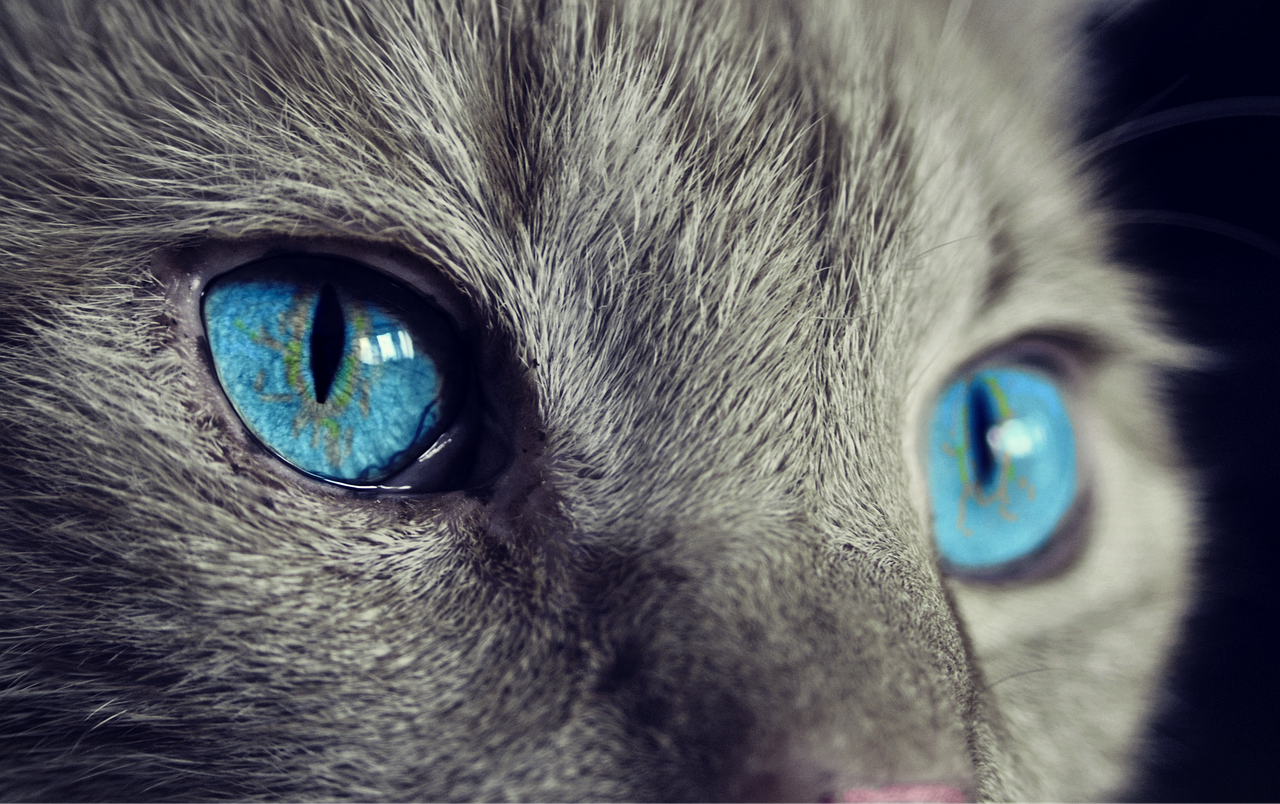

First Aid Kit Essentials for Cat Eye Injuries
When caring for an injured feline, it’s vital to have a well-stocked first aid kit tailored for their needs. Eye injuries in cats can range from minor scrapes to more serious concerns like penetration or laceration injuries. Having the correct tools will ensure proper care and treatment. Essential items for this kit include saline solution, which is crucial for flushing out irritants or debris that may be lodged in the eye. Additionally, sterile gauze pads and bandages are necessary for protecting any visible wounds. A pair of blunt-ended scissors can assist in trimming fur around the injury site, while tweezers may help remove foreign objects. Always include ointments such as antibiotic or antiseptic for topical application, if advised by a vet. Also, a pair of disposable gloves is important for maintaining hygiene and preventing infection during treatment. Lastly, a cat carrier ensures safe transport to the vet if the injury requires professional attention. Having these supplies readily available can significantly contribute to your cat’s recovery from eye injuries.
Aside from the fundamental supplies, consider adding more specialized items designed specifically for eye care. It’s advisable to keep an Elizabethan collar in your kit, as this can prevent your cat from pawing at their injured eye, reducing the chance of further damage. Additionally, an eye wash specifically tailored for pets can aid in cleaning while ensuring it’s safe for their sensitive eyes. Furthermore, items like a digital thermometer can help monitor your cat’s overall health, as fever may accompany eye injuries. Pain relief medications, prescribed by a veterinarian, are also essential for comfort in acute situations. In case of significant bleeding, having a styptic powder will assist in controlling blood flow. An information booklet with specific guidance about treating cat eye injuries and emergency contact numbers for nearby veterinary clinics can also be invaluable. Make sure to regularly check your first aid kit, replacing expired medications and supplies. This way, each time you need to access the kit, it will be prepared and fully stocked, helping to ensure the most effective treatment for your beloved feline friend.
Signs of Eye Injuries in Cats
Understanding the signs of eye injuries is essential for all cat owners. Cats are known to hide pain, so paying close attention to their behavior is crucial. Symptoms may include tearing, redness, squinting, or excessive blinking. You may also notice that your cat is pawing at their eye or exhibiting signs of discomfort. Further indicators can be cloudiness or discharges such as pus or blood. These signs often indicate underlying conditions that need veterinary evaluation. Another common sign is a change in their usual demeanor; for instance, a playful cat may become withdrawn and uninterested in usual activities. If the eye appears swollen, or there is a noticeable change in its shape or structure, immediate attention is necessary. Early detection plays a critical role in treatment outcomes. It is also important to differentiate between minor irritations and serious traumas requiring urgent care. Being vigilant helps in preventing potential complications. You should not delay seeking veterinary assistance when any of these symptoms present. Acting quickly ensures that your cat receives the care they require promptly.
When dealing with potential eye injuries in your cat, it’s essential to remain composed. First, ensure that the injured cat is in a secure, quiet space to minimize stress. Approaching the cat should be done slowly to avoid further alarming them, which may lead to erratic movements. If they appear aggressive or in significant pain, using a towel to wrap them securely can prevent them from injuring themselves or you. Assess the damage gently, looking for visible signs such as scratches or fluid discharge. Remember to examine both eyes, as injuries might affect the uninjured eye as well. If debris is present, do not attempt to touch or remove it with fingers; instead, use saline solution to flush the eye gently. If the injury seems severe, it is better to leave foreign objects embedded and get veterinary help immediately. It may also help to record details of the incident to share with the veterinarian later. Documenting symptoms and any observable changes in behavior will provide useful information for effective diagnosis and treatment.
When to Seek Veterinary Help
Many cat owners might wonder when is the appropriate time to seek professional veterinary help. If your cat is exhibiting persistent signs of distress following an eye injury, immediate consultation is warranted. Severe symptoms include excessive tearing, significant redness, or if the eyeball appears bulging or cloudy. If there is any significant blood discharge or the eye is causing the cat a huge amount of discomfort, it can indicate a serious issue that demands urgent care. Additionally, if vision loss is suspected, swift action is critical. Typically, if symptoms don’t improve within a few hours or worsen, it is time to engage with a veterinarian. Being proactive in these situations can make the difference between saving or losing your cat’s vision. As eyes are intricate and sensitive organs, even minor injuries can lead to complications if left unattended. You should also consider follow-up appointments after initial treatment, ensuring proper recovery is monitored. The goal is always to preserve vision and ensure a swift and full recovery for your furry companion.
Preventing eye injuries in cats should also be part of a responsible pet ownership routine. Routine inspections of your living space can significantly mitigate risks; for example, ensure sharp or potentially harmful objects are not accessible to your curious feline. If your cat scratches furniture or other surfaces, providing suitable alternatives for clawing can help protect them, too. Indoor cats can still face risks, so introducing cat-safe plants can enhance their environment while avoiding harmful substances. Additionally, engaging your cat in play using appropriate toys can prevent accidents while keeping their sharp claws at bay. Outdoor adventures are enticing for cats but come with heightened risks for injuries. If allowing them outside, consider a licensed harness and leash for supervised exploration, providing safe boundaries when outdoors. Regular veterinary check-ups can also help spot any underlying health issues before they progress. Always make a point to assess your cat’s surroundings and engaging spaces with necessary barriers to guard against unnecessary risks. Behaviors like providing enrichment will also reduce stress and lower the likelihood of injuries occurring.
Conclusion
In summary, being well-prepared for potential eye injuries in cats is critical for any cat owner. Having a first aid kit stocked with essential supplies aids in providing prompt care immediately when incidents occur. A thorough understanding of signs and symptoms can facilitate quicker responses in urgent situations. The proactive measures you implement at home, such as creating a safe environment and providing regular veterinary care, contribute significantly to your cat’s overall wellbeing. Always remember that eye health is vital, and taking the necessary precautions will help maintain your cat’s quality of life. In the unfortunate event of an injury, swift action, calmness, and appropriate first aid measures can play a crucial role in outcomes. Finally, engaging actively with your veterinarian to discuss the specifics of your concerns and establishing organized follow-up is essential. Your vigilance can make a real difference in ensuring your furry friend regains health and comfort if injuries happen. Always prioritize their care and do not hesitate to seek professional assistance when necessary to safeguard your pet’s vision and health.