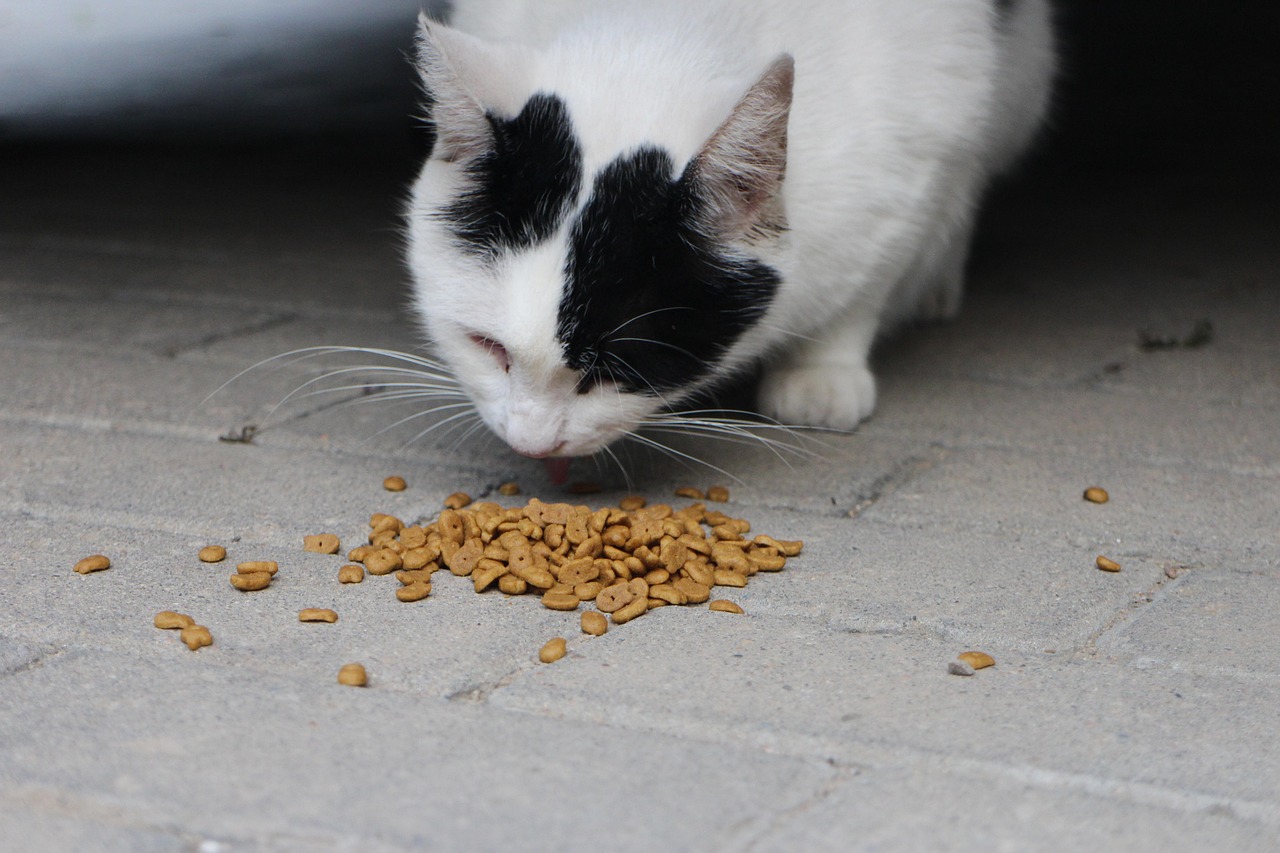

Grain-Free Commercial Cat Food: What You Need to Know
Grain-free commercial cat food is increasingly popular among pet owners seeking to provide their cats with optimal nutrition. This type of food eliminates traditional grains such as wheat, corn, and soy. Many believe that grains can contribute to health issues in cats, such as allergies and digestive problems. The primary ingredient in grain-free diets is usually protein, often derived from meat or fish sources. As cats are obligate carnivores, a high-protein diet aligns with their natural dietary needs. Additionally, grain-free formulas often contain fruits and vegetables, which provide vitamins and minerals. They also sometimes include healthier carbohydrates like sweet potatoes or peas. For pet owners with cats that have shown sensitivity to gluten or grains, grain-free options may offer relief. However, it is crucial to evaluate these diets carefully, as not all grain-free foods are nutritionally adequate. Quality varies among brands and products, so always check labels. Understanding your cat’s specific dietary requirements and consulting a veterinarian can help in choosing the best grain-free commercial cat food for your feline friend’s health and well-being.
One of the misconceptions about grain-free cat food is that it is inherently healthier than traditional varieties. While many grain-free options do contain high-quality protein, some formulations can be misleading. Not all grain-free foods deliver the nutritional benefits you might expect. In fact, certain brands may substitute grains with unhealthy fillers that can be equally detrimental to your cat’s health. For example, foods high in carbohydrates, such as potatoes, can lead to obesity and other health problems. It’s essential to conduct thorough research before selecting a product. Look for foods that are rich in animal protein and have a minimal ingredient list. This can help ensure your cat is receiving a balanced diet. Additionally, consider the cat’s life stage, as kittens, adults, and seniors have different dietary needs. Consult your veterinarian to find out if a grain-free diet is appropriate for your cat. If you have hesitations, you can also monitor your cat’s health when switching diets, observing any changes in energy levels or digestive health. Understanding the intricacies of commercial cat food will help you make informed choices for your furry friend.
Benefits of Grain-Free Cat Food
Introducing grain-free commercial cat food can have several benefits for your cat’s health. Many pet owners report improvements in coat condition, energy levels, and overall vitality after transitioning to grain-free options. High-quality protein sources align more closely with a cat’s evolutionary diet, fostering healthier muscle development and maintenance. Moreover, grain-free formulas can be easier on sensitive stomachs. Because they omit common allergens found in grains, some cats experience fewer gastrointestinal issues, such as diarrhea or vomiting. Additionally, many grain-free foods are formulated with key nutrients that promote a strong immune system. Ingredients like omega-3 fatty acids support skin and coat health, while antioxidants from fruits and vegetables boost overall well-being. Pet owners often find that their cats display a more active and playful demeanor after switching to grain-free options. Incorporating real meat as the main ingredient can contribute to an increase in appetite longevity, ensuring your cat remains satisfied longer. However, essential vitamins and minerals must still be included to maintain a balanced diet, so check that these are present in any chosen food. Always keep your health and wellness goals in mind.
Choosing a grain-free cat food can be an overwhelming process given the plethora of options available on the market. It’s critical to read the labels carefully to make informed decisions. Look for ingredients made from high-quality meat sources like chicken, turkey, or salmon listed as the first ingredient. Avoid products with vague descriptions like ‘animal meal’ or ‘by-products,’ as these can include inferior quality ingredients. Furthermore, consider consulting your veterinarian before embarking on a new diet for your cat. They can provide personalized recommendations based on your cat’s health history and particular needs. Since some cats respond positively to grain-free diets while others may not, individualized assessments are necessary. Monitor your cat’s response to the new diet closely, especially within the first few weeks. Signs of allergies or intolerances might arise, necessitating a quick transition back to their original food. Staying informed on both potential benefits and drawbacks can guide you in making the best choices for your cat’s nutrition. Additionally, seek out reviews and testimonials from fellow cat owners as testimonials can offer invaluable insights.
Potential Drawbacks of Grain-Free Diets
While there are numerous benefits to grain-free commercial cat food, potential drawbacks must also be considered. One of the primary concerns is the risk of certain health issues associated with a high-protein, low-carbohydrate diet. Some studies have linked grain-free diets to heart disease in dogs, particularly dilated cardiomyopathy. Although cats are different, ongoing research is evaluating the long-term effects of such diets on feline health. Therefore, it’s critical to ensure that the grain-free food you choose contains a balanced profile of nutrients. High protein levels may not suit every cat, especially older pets or those with specific health conditions. These cats might require a diet featuring more fiber and moderate protein levels. Additionally, higher costs may accompany many grain-free options since they often use premium ingredients. Pet owners should weigh the cost against their budget and the overall quality of the food. Ultimately, prioritizing nutritional balance over fads is essential for long-term health. Always keep an open line of communication with your veterinarian to evaluate the best dietary strategies for your cat’s well-being.
When transitioning your cat to grain-free commercial cat food, it’s advisable to do so gradually. Sudden changes in diet can lead to digestive upset, which may negate any health benefits intended from the new food. Start by mixing a small amount of the new grain-free food with your cat’s current food, gradually increasing the proportion of the new food over a week. This slow approach allows your cat’s digestive system to adapt to the new ingredients. During this transition, monitor your cat for any adverse reactions, such as vomiting or diarrhea. Setting up a feeding schedule can ensure your cat remains accustomed to meal times with their new food. Pet owners often find it helpful to track their cat’s appetite and energy levels, providing insights into how well the new diet suits them. Remember that every cat is different, and what works for one may not work for another. Consistent evaluation and observation will provide clarity about continuing with the transition. Having patience during this process is crucial, as dietary adjustments can sometimes take longer to settle.
Conclusion
In conclusion, grain-free commercial cat food offers significant benefits while also presenting some potential drawbacks. By understanding your cat’s unique dietary needs and reviewing labels carefully, you can make informed decisions about their nutrition. Consulting with your veterinarian throughout this process will help identify suitable options tailored to your cat’s specific situation. The transition to a new diet should be executed with care and consideration for your pet’s comfort and health. Regularly monitoring your cat’s response to food changes will provide valuable insights, allowing you to make timely adjustments as necessary. Keep in mind that each cat is different, leading to individualized requirements based on their age, activity level, and health status. It’s essential to remain receptive to your cat’s needs while providing the best nutrition possible. With cautious choices and ongoing observation, you can improve your feline companion’s overall quality of life through a balanced, grain-free diet. The importance of your cat’s health cannot be overstated, so being proactive about their diet ensures longevity and happiness throughout their life.
Grain-free diets are a growing trend in the world of pet nutrition, appealing to many cat owners aiming for optimal feline health. Although grain-free commercial cat foods have become popular, understanding the nuances is critical. It serves as guidance to provide nutritious options tailored specifically for our furry friends. The increase in grain-free options reflects ongoing research and consumer preferences in pet nutrition. Owners looking for top-quality cat food should thoroughly investigate nutritional content and ingredients to ensure they make the best choices. By staying informed about what goes into their cat’s food, owners can significantly impact their pet’s overall well-being. It is essential to utilize reliable resources, including veterinary professionals and reputable pet food brands. The goal remains ensuring that each cat receives proper nourishment while considering any individual health needs. Through careful consideration and responsible feeding practices, cat owners can promote better health outcomes among their feline companions. Remember that quality matters, and knowledge is power when it comes to selecting the best grain-free commercial cat food on the market.