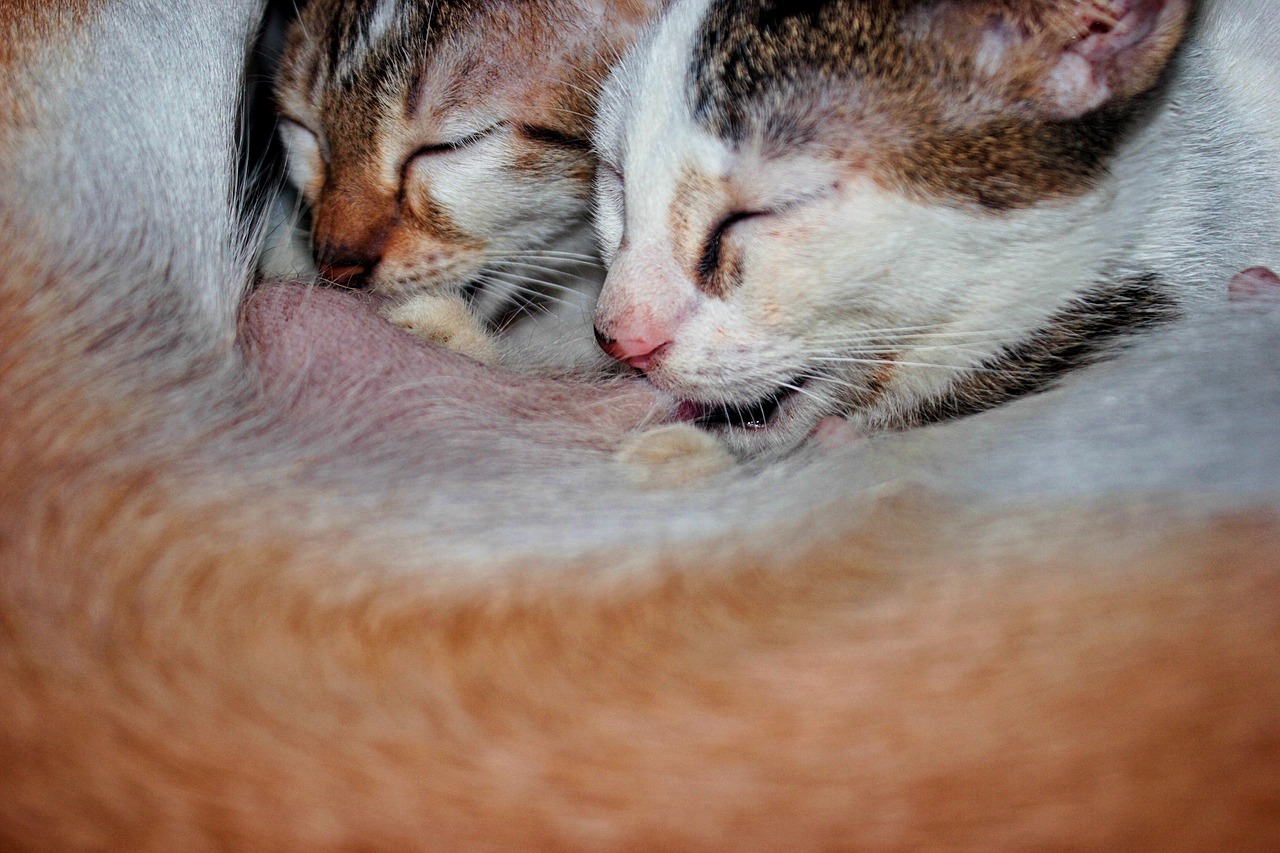

Transitioning Diets for Cats After Giving Birth
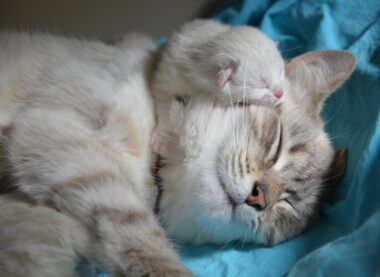
Feeding pregnant and lactating cats requires careful attention to their dietary needs. After giving birth, a cat’s energy requirements increase significantly. It’s essential to adjust the diet to support both the mother’s health and her kittens’ development. Begin by gradually introducing a quality kitten food, which is richer in calories, protein, and fat, necessary for lactation. Monitor the cat’s condition, ensuring she maintains a healthy weight while providing sufficient nutrients to produce milk. Offer small, frequent meals to help meet her elevated energy demands. Ensure fresh, clean water is available at all times since hydration is critical, especially when nursing. Since every cat is unique, consider consulting with a veterinarian to tailor the diet further according to the cat’s specific needs during this stage. Don’t forget to maintain the cat’s usual feeding schedule for familiarity, which will help reduce stress for the mother. Keep an eye on litter box activity as well, as this can indicate how well she is adjusting to the new diet. Adapt her feeding regimen as necessary to ensure she thrives during this vital time of motherhood.
During the first few weeks postpartum, it’s important to monitor the mother cat closely. As she settles into motherhood, her nutritional needs continue to change. The focus should be on providing high-quality protein sources to support milk production. Foods high in vitamin E, omega fatty acids, and antioxidants are particularly beneficial. Aim to enrich her diet with added supplements if necessary, but always consult a veterinarian first. An appropriate balance of carbohydrates can also help sustain her energy levels. Introducing new foods should be done gradually to prevent gastrointestinal upset. Observe the mother’s reactions to different food types and adjust accordingly. For many cats, feeding options include both wet and dry food. Wet food is often preferred by nursing cats, as it is palatable and aids in hydration. Keep her meals nutrient-dense to ensure she gets the most from small portions. Watch her kitten’s growth; their health is a great indicator of the mother’s nutritional success. If any concerns arise regarding the health of either the mother or her kittens, prompt veterinary guidance is critical to ensure their well-being.
Importance of Nutritional Balance
Achieving nutritional balance is crucial for the health of lactating cats. The diet must compensate for the demands of both nursing and maintaining the mother cat’s overall health. A diet deficient in essential nutrients can lead to health issues for the mother and her kittens. Use options rich in calcium, phosphorous, and other key vitamins and minerals. This will support the development of healthy bones and teeth for growing kittens. Look for premium brands that specifically formulate their products for pregnant and nursing cats. Investing in high-quality food can pay off significantly in nurturing strong, vibrant kittens. Remember, the mother’s stress levels can affect her milk supply. Implement a calm feeding environment that reduces anxiety. Avoid sudden changes in diet; they can lead to digestive disturbances that might impact nutrition absorption. Regular health check-ups during this time can ensure that appropriate adjustments are made. Identify any deficiencies early on with veterinary assistance. Lactation should not be a period of deficiency; instead, it should be optimized for both the mother’s and the kittens’ future health and vitality.
Transitioning diets may also involve observing changes in the mother’s appetite as her kittens begin to wean. Generally, this process starts around four weeks of age but can greatly vary. Towards this time, begin incorporating a mixture of kitten food into the mother’s meals. This approach not only assists in optimal nutrient intake but also can ease the weaning transition for her kittens. Gradually transitioning them to solid food can foster independence while ensuring they are still receiving adequate maternal nutrition. Consultation with a veterinarian can guide you in selecting the best time for introducing this process. Continuous assessment is essential; if the mother appears lethargic or has any health concerns, it may be necessary to reevaluate her diet plan immediately. Keep an eye on the kittens’ development and weight progression, as these indicators reflect the mother’s nutrition. An effective feeding regimen is not solely about the food but also involves ongoing interactions with the mother cat and her kittens to observe how they adapt together. Ensuring all mothers receive adequate education about nutrition can be pivotal in successful cat breeding efforts.
Feeding Tips for New Mothers
Providing several feeding tips can assist in successfully transitioning a cat’s diet during motherhood. First, establish a consistent routine for mealtimes. Cats thrive on familiarity, and this helps reduce stress for new mothers. Offering small, manageable portions multiple times throughout the day can help her keep up energy levels. Additionally, placing food bowls in quiet, easily accessible spots ensures the mother can nourish herself without distraction. Monitor the quality and quantity of the food she consumes diligently. Fresh ingredients will entice better feeding behavior, particularly when paired with her preferences. It’s advisable to have her favorite foods ready for the critical initially nursing phase. Consider including wet food, as it often attracts lactating cats due to its strong aroma. Whenever possible, keep her food varied to offer a balanced intake of nutrients. Introduce new flavors gradually to avoid upsetting her stomach. Ensure all kittens have access to the same high-quality food once they begin eating solids. This proactive approach will play a key role in healthy growth and the overall health of both the mother and her kittens.
Besides adjusting the mother cat’s diet, creating a stress-free environment supports her overall well-being. Stress negatively impacts appetite, which can disrupt the mother’s nutrition and milk supply. Maintain a calm, quiet setting, free of loud noises and disturbances to ensure she feels secure. During this sensitive time, consider providing an isolated space that fosters privacy for the mother. Providing various soft sleeping options can make her feel more comfortable during nursing periods. Engaging with her social needs is also essential; regular but gentle interactions with her and her kittens can reduce overall stress levels. Don’t overwhelm her with too much handling; instead, keep this gentle and positive. Ensure all other pets are respectful of her space and comfort. Keeping food dishes and litter boxes clean regularly helps to maintain hygiene, which is critical for her health and the thriving care of her kittens. Regularly check for any signs of distress or discomfort in the mother cat. Comprehensive support can ensure that she remains healthy and can provide the best for her kittens during this valuable bonding period.
Consulting Your Veterinarian
Lastly, always prioritize consulting your veterinarian throughout the mother cat’s dietary transition. A professional’s advice ensures that dietary adjustments are appropriate and beneficial towards both the mother’s and kittens’ health. Regular check-ups can help to monitor her body condition, nutrient intake, and the necessary caloric adjustments. Your vet can suggest dietary supplements if deficiencies surface or recommend dietary changes based on the mother’s ongoing health status. Each lactating cat is unique, and personalized diets can make substantial differences in health outcomes. Additionally, addressing potential issues early prevents significant health problems later on. Strong communication with a vet ensures that you are proactively managing your cat’s health and that of her kittens. Confidence in your feeding strategies can also lessen anxiety as a new pet owner. Before any significant changes to the diet, vet consultations should be mandatory. Foster an open dialogue about concerns in feeding practices and kitten development. Knowledge from professionals equips you with strategies for nourishing both the mother cat and her kittens as they begin their journey of health and growth.
This concludes our discussion on transitioning diets for cats after giving birth. Prepare by gathering knowledge, observing changes throughout the transition, and ensuring a well-balanced diet for optimal nutrition during this important phase. Tailored feeding practices lead to happier, healthier cats and their kittens. Remember, attentive care and adequate nutrition play foundational roles in ensuring the welfare of both the mother cat and her offspring. For further resources, consider exploring articles on feline nutrition from trusted sources. Understanding the intricacies of a cat’s dietary needs can empower any cat owner to offer the best for their beloved pets. Implementing professional advice will certainly enhance your cat care journey. As always, cherish these moments spent with your feline family members, ensuring they grow into well-rounded, healthy adults. Carefully monitoring health indicators will help you feel confident in your decisions during this hectic yet rewarding period. With thorough preparation, empathy, and dedication, you can support a nurturing environment for mother cats and their kittens. Best of luck in your cat parenting journey, and remember to seek community support, whether it’s online or from local experts for further guidance!