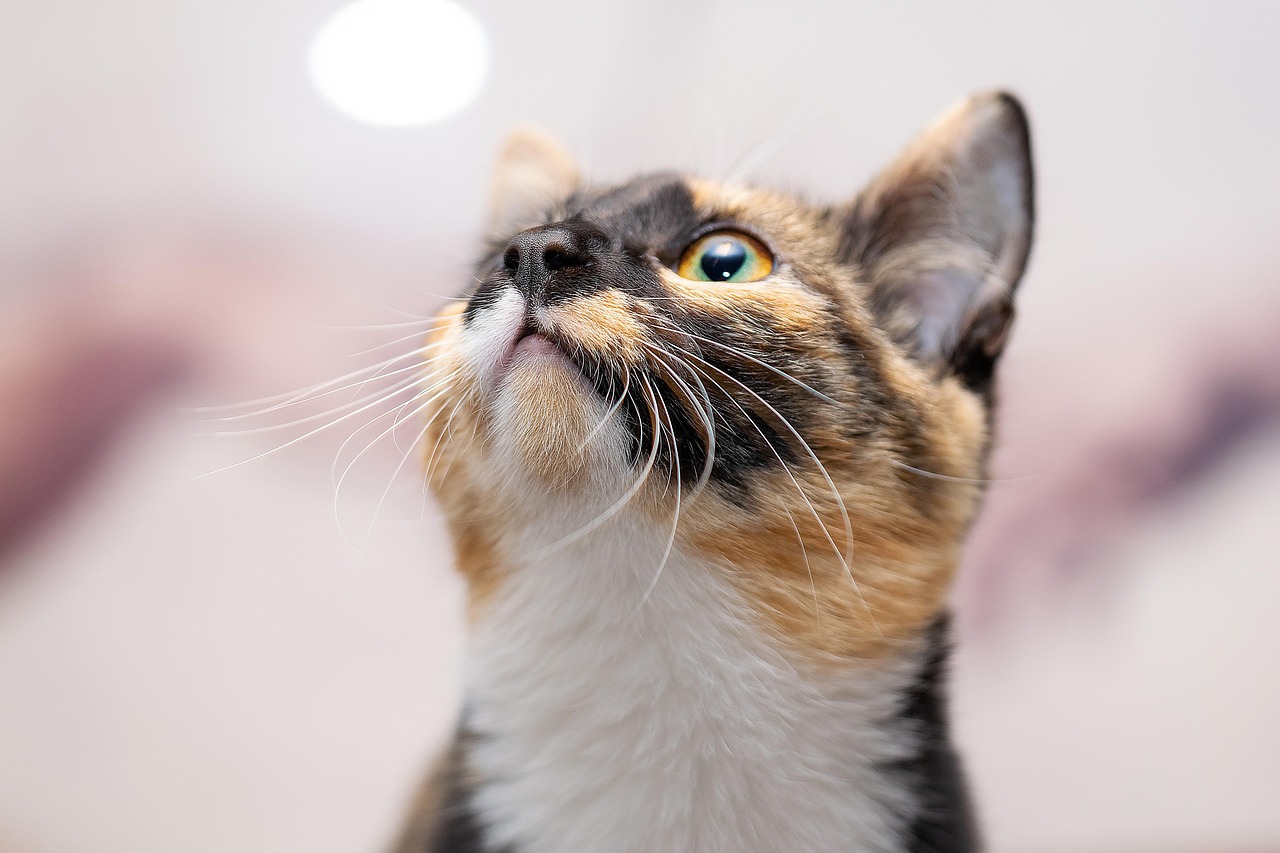

Cat Housing that Supports Aging and Disabled Cats
As our feline companions grow older, their housing needs evolve significantly. Aging and disabled cats require more than traditional living spaces; they need environments that cater specifically to their physical limitations and health conditions. This need has spurred a growing interest in innovative designs and trends within cat housing. Modern cat homes are increasingly built with easy accessibility in mind. Features such as ramps, low entry points, and spacious layouts can help accommodate mobility issues. In addition, the use of non-slip materials is crucial to ensure cats maintain their balance and safety inside. Moreover, many products are now designed with larger platforms and cozy hideaways that offer safe retreats for shy or frightened cats. Ultimately, the aim is to create a comfortable living space that reduces stress, encouraging cats to thrive as they age. Furthermore, it is vital for owners to consider adjustable features that can evolve with their pet’s needs, ensuring long-term adaptability and comfort for every stage of life.
Recently, cat housing solutions have started to focus on the importance of nurturing comfort with innovative designs that incorporate essential supportive elements. For instance, cat trees and condos designed specifically for aging felines often come equipped with lower platforms, assisting cats in effortlessly climbing and lounging. Additionally, using soft, memory foam materials for beds can provide ample support to aging bones and joints, further enhancing their comfort. Yet, it’s not just about physical comfort; emotional well-being is equally critical. Housing that provides multiple hiding spots and vertical spaces can help alleviate stress and anxiety for elderly or disabled cats. Enclosures that mimic natural environments can increase engagement and activity, stimulating better mental health. Moreover, including enrichment features such as scratching posts, interactive toys, and sensory materials encourages engagement, which is vital for maintaining a healthy lifestyle among older cats. Technology innovations also play a role, as some modern homes incorporate smart features to monitor health and activity levels. These thoughtful housing options demonstrate a commitment to ensuring our beloved feline friends enjoy their golden years to the fullest.
Design Considerations for Specialized Cat Housing
When designing housing for aging or disabled cats, several considerations should be prioritized. First and foremost, accessibility is paramount. Cat owners must ensure that all areas of the home are easily accessible without requiring strenuous effort from the cat. Elevated sections should have ramps instead of ladders directly designed for ease of access. Furthermore, the layout of the structure needs to be spacious to allow easy movement without fear of getting stuck. In addition, including areas with various heights ensures that there are options for different mobility levels. Adjustability is another essential factor; furniture and levels should be manageable for caregivers to adapt based on the cat’s changing needs. It’s also important to consider environmental temperatures; insulated structures can protect from extreme weather conditions. Natural light is crucial as it helps to regulate circadian rhythms, so strategically placed windows to provide sunlight without drafts can be beneficial. Another innovation is using reusable materials that are easy to clean and maintain, ensuring that the space is hygienic without harming the environment. These design features contribute significantly to creating a comforting home for aging and disabled cats.
In fostering a positive living environment for elderly and disabled felines, it is critical to consider the materials used in their housing. Non-toxic, hypoallergenic materials are preferable to ensure the overall safety and health of the cat. Soft fabrics used in bedding or cushions help to alleviate pressure spots and discomfort, incorporating elements like removable and breathable covers allows for easy cleaning. Additionally, using waterproof materials not only aids in hygiene but also protects the cat’s space from accidents, a common issue with older cats. The choice of flooring should be non-slip to prevent falls. Various products come with the added bonus of being environmentally friendly, which encourages conscious consumerism. Furthermore, the incorporation of scent-friendly materials like catnip-infused fabrics can provide a sense of familiarity and comfort. By prioritizing these material choices, cat housing not only becomes safer but also encourages elderly cats to explore and feel secure in their spaces. Creating an adaptable and nurturing environment encourages an active lifestyle, ultimately benefiting the physical and mental health of our feline friends in their golden years.
Health and Wellness Features in Cat Housing
The health and wellness of aging and disabled cats can be significantly enhanced through thoughtful housing design features. For instance, accommodating litter boxes that are accessible without difficult maneuvers can prevent accidents and stress for both the cat and owner. Besides, some cat owners are opting for automatic litter boxes that reduce the need for regular cleaning while ensuring the cat’s health needs are being met efficiently. This technology ensures a cleaner, safer, and healthier environment. Additionally, integrating areas where cats can receive natural light and fresh air is crucial for their well-being, promoting cardiovascular health and vitamin D absorption. Strategically placed resting areas with ample space stimulate gentle stretching and movement, helping reduce stiffness in aging muscles. Moreover, utilizing air-purifying plants can enhance indoor air quality while providing an attractive visual element. Some owners even integrate furniture with built-in heaters to allow their aged cats to maintain warmth, improving comfort during colder months. These elements focus on enhancing the cats’ overall physical wellness while making their housing a place of relaxation, nurturing their longevity and quality of life.
Innovative trends in cat housing not only focus on the physical attributes but also strive to create environments that cater to the mental health and emotional needs of elderly and disabled felines. Customizable layouts are becoming more popular, allowing owners to design spaces according to their cat’s unique preferences and habits. For example, homeowners can create safe, interactive areas that encourage their cats to engage with toys or play safely. Moreover, multi-purpose furniture systems offer flexibility and can serve as spaces for climbing, lounging, and hiding, all essential for a cat’s emotional well-being. Another exciting innovation is the use of calming colors and textures in cat housing, as studies have shown that specific color palettes can positively affect feline behavior. Installations of water features and calming sound elements, such as gentle music or nature sounds, can create soothing environments that alleviate anxiety. Furthermore, providing secure spaces that allow cats to observe their surroundings without feeling threatened promotes a sense of safety and comfort. As we evolve our understanding of feline psychology, these innovative trends will continue to drive positive changes in cat housing.
Conclusion: Embracing Change in Cat Housing
The ongoing evolution of cat housing specifically for aging and disabled cats reflects a broader change in our understanding of feline care. As a result of this increase in awareness, there has been a surge in market innovation designed to tailor living spaces to cater to the needs of our beloved pets. It remains vital for cat owners to stay informed about the latest advancements and trends in cat housing to ensure their furry friends live with dignity, comfort, and joy throughout their lives. Beyond choosing the right materials or design, embracing these innovations is also about cultivating an emotional bond between caregiver and pet. By creating spaces that honor their experiences and limitations, owners can significantly improve their cats’ quality of life. Additionally, these developments are an essential reminder of the responsibilities that come with cat ownership, particularly as pets age. With greater resources and technologies available, caregivers can provide exceptional care that promotes independence yet also supports essential needs. Ultimately, improving cat housing standards promises to enhance the overall relationship between aging cats and their caring guardians.
In conclusion, the future of cat housing is bright, with numerous opportunities for innovation that prioritize the health, comfort, and happiness of elderly and disabled cats. By implementing thoughtful designs, customizable materials, and health-focused features, we enhance the living conditions for our cherished feline companions. As the awareness around these essential housing needs continues to expand, we encourage all cat owners to consider how they can incorporate these ideas in a practical manner. Ultimately, improving cat housing for aging and disabled cats not only reflects our compassion but also empowers our feline friends to live their lives with greater freedom and joy. As we foster environments that understand the unique challenges faced by these cats, we promote both physical and mental well-being, enriching their quality of life significantly. Therefore, let’s commit to embracing these trends and innovations, creating spaces that are as dynamic and adaptable as our beloved pets. Join the movement towards more inclusive and supportive cat housing solutions that cater to the needs of aging and disabled felines today.