
Step-by-Step Guide to Bathing Your Dog at Home
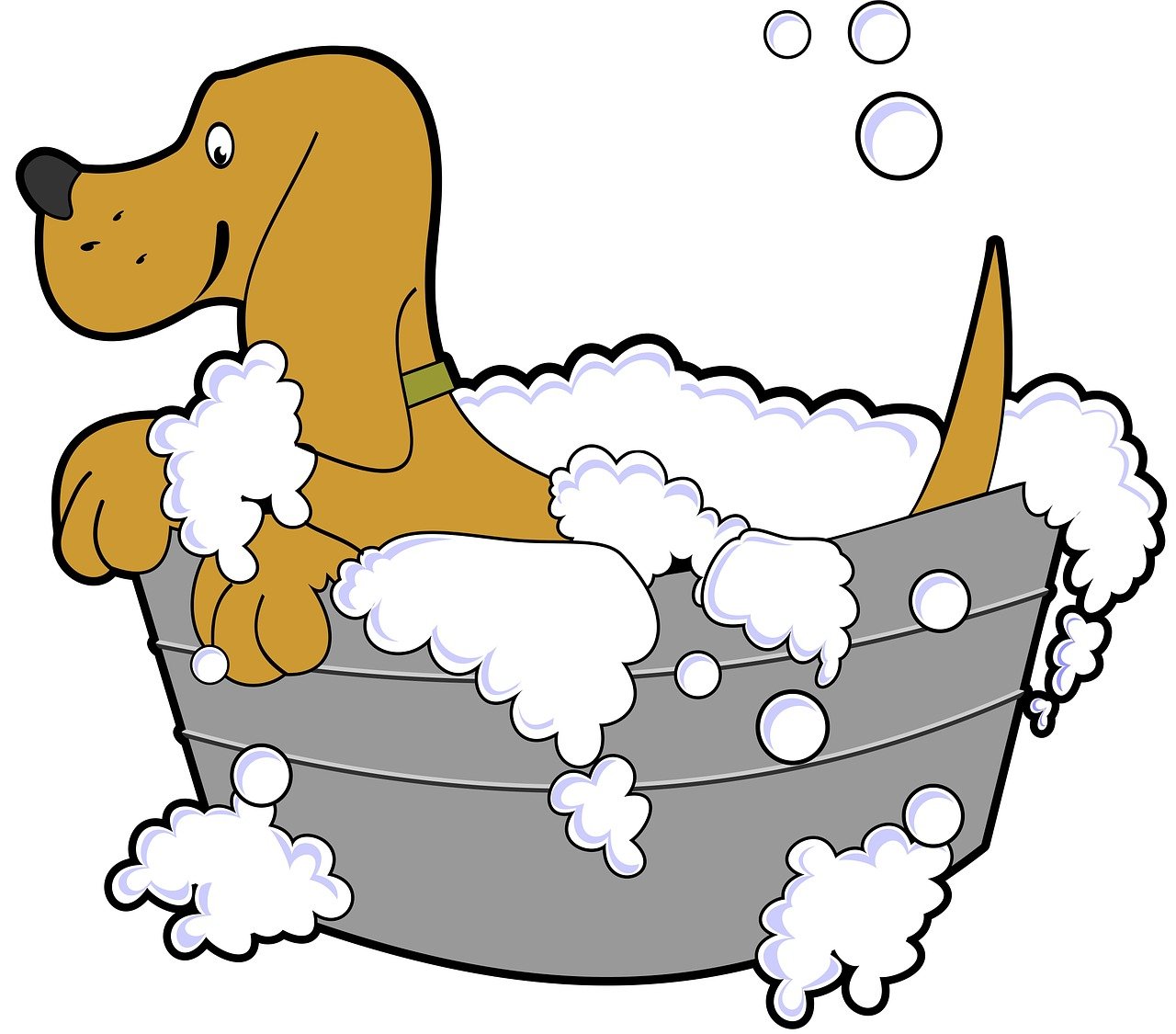
Bathing your dog at home can be an enjoyable experience for both you and your furry friend. To begin, prepare all the necessary supplies, which include dog shampoo, towels, a non-slip mat, and a brush. It’s essential to choose a suitable location, such as a bathtub or a large sink, where your dog feels comfortable. Make sure the water temperature is lukewarm, as both hot and cold water can be uncomfortable for your dog. Before starting the bath, brush your dog thoroughly to remove loose fur and tangles. This preparation will make the bathing process more efficient and pleasant. Additionally, having treats on hand can help reward your dog for good behavior throughout the bath. Always let your dog sniff the shampoo before applying it to their coat. This familiarization can reduce anxiety. Using a handheld showerhead or a cup, wet your dog’s coat gradually, starting from the back and moving forward. Ensure that you do not get water into your dog’s ears, as this can cause discomfort.
Once your dog is thoroughly damp, apply a small amount of dog shampoo. It’s crucial to choose a high-quality, pet-safe shampoo specifically formulated for canines. Gently massage the shampoo into your dog’s coat, starting with their neck and working toward their tail. Pay special attention to areas that tend to get dirty, like under the legs and around the face. If your dog has sensitive skin or allergies, consult your veterinarian for recommendations on the best products to use. Rinse the shampoo out completely as any residue can irritate the skin. Rinse until the water runs clear and free of suds. This step is essential for maintaining a healthy coat and skin. After rinsing, use a soft washcloth to gently clean your dog’s face, avoiding getting shampoo into their eyes. Once the rinsing is done, it’s time to towel dry your dog. Wrap your dog in a large towel to absorb excess water while providing comfort. If your dog is comfortable, you can also use a blow dryer on a low setting, maintaining a safe distance from their skin. Always keep an eye on your dog during this process to ensure they feel safe.
Post-Bathing Care
After bathing, it’s essential to take care of your dog’s coat. Start by brushing your dog again. This will help remove any tangles and distribute natural oils throughout their fur, promoting a healthy shine. Regular post-bath grooming also allows you to check for any skin issues or irritations that may need attention. Consider applying a conditioner if your dog’s coat is especially dry or prone to matting. Always choose a product made for dogs. Additionally, it’s a good idea to inspect your dog’s ears as moisture can lead to infections. Wipe them gently with a cotton ball to remove any excess water. Make sure not to insert anything into the ear canal. Once your dog is dry and groomed, give them a positive reinforcement treat to create a pleasant association with the bathing process. Always ensure that your dog is calm and not rushed during this time. It’s essential to build trust, making future baths easier. With regular bathing and gentleness, your dog will learn to enjoy this pampering experience.
Next, clean up the bathing area properly to prevent slips and falls. Bathing your dog can be messy, so be sure to have everything in place before the bath begins. This organization will save time and ensure a smooth process. After bathing, consider giving your dog a play session. This activity can help them dry off naturally while burning off energy. If your dog enjoys the water, you might consider a kiddie pool for summertime baths. This option allows for refreshing outdoor fun before washing them down. Remember to keep their safety in mind, always supervising them. Regular grooming and bathing can lead to a happier and healthier dog. Additionally, it further strengthens the bond between you and your pet. Each grooming session can serve as quality time spent together, fostering mutual trust. Some dogs may be anxious about baths, so patience and gradual introduction to the process are essential. Use plenty of calming praise and treats to reassure them. Remember that the aim is to create a positive experience that helps your furry friend look and feel their best. Happy grooming!
Tips for Bathing Different Dog Breeds
When bathing your dog, consider the unique needs of their breed. Each breed may have different grooming requirements based on the type of coat they have. For example, long-haired breeds often need extra attention to avoid tangles and matting, while short-haired breeds may require less frequent baths. It’s advisable to research the specific grooming needs of your dog’s breed to provide optimal care. Some breeds, like terriers, also have unique skin sensitivities that need special shampoo formulations. Additionally, you should be aware of your dog’s temperament. Some dogs might enjoy the bath while others may be resistant or fearful. In such cases, introducing water gradually might help ease their fears. Try using toys or gentle praise to create a positive atmosphere during the bath. Ensure your bathing setup is non-slip to provide stability. Having a helper can also be beneficial, especially for larger or more energetic dogs. This person can assist in holding the dog or pouring water. Establishing a calm process will lead to a more enjoyable experience for both the owner and the dog. Positive experiences in grooming create lasting memories and a more relaxed pet.
It’s also important to remember the drying process, which varies by breed. Some dogs may take longer to dry due to their coat type, and this may require more care. For example, dense double-coated breeds might take longer to fully dry off, so plan accordingly. For these breeds, consider using a high-velocity dryer that’s specially designed for pets. Always stay cautious with dryer placement to avoid overheating your dog. Conversely, for short-haired breeds, a simple towel dry may suffice. Always monitor your dog’s comfort level during this phase, ensuring that they don’t show signs of distress. Every dog is different; hence their post-bath behavior can vary significantly. Taking note of your dog’s reactions can help you tailor each bathing session better. If your dog tends to shake off water, you may want to consider bathing them outside or in an area where the mess is more manageable. Lastly, include a grooming routine following each bath to maintain a clean, healthy coat. Establish a regular bath schedule according to the specific needs of your dog’s breed. This diligence will keep both the dog and your living space clean and comfortable.
Conclusion: The Importance of Regular Grooming
Regular grooming, including bathing, is crucial for your dog’s overall health and well-being. Grooming helps prevent issues such as matting, skin infections, and odor while also promoting better hygiene. Not only does grooming keep your dog looking good, but it also allows you to keep an eye on their skin and coat condition, identifying potential health issues early. Additionally, the bond you create through grooming can lead to a more attentive and responsive pet. Dogs who are accustomed to being handled tend to be more relaxed in various situations, including vet visits. Creating a routine can make bath time less of a chore and more of a cherished ritual between you and your dog. Remember, each dog is different, so finding a comfortable approach for your pet can take time. The experience should inspire trust and comfort. Always prioritize your dog’s needs and preferences when planning grooming schedules. With that commitment and with the right techniques, both you and your furry friend will look forward to bath time as a fun, bonding experience. Enjoy the journey and the connection you’ll build!
Bathing your dog at home leads to cleaner pets and more satisfied owners. Setting aside time each month to handle these tasks is vital for overall pet care and happiness.