
How to Plan Vaccinations for Rescue Dogs with Unknown Histories
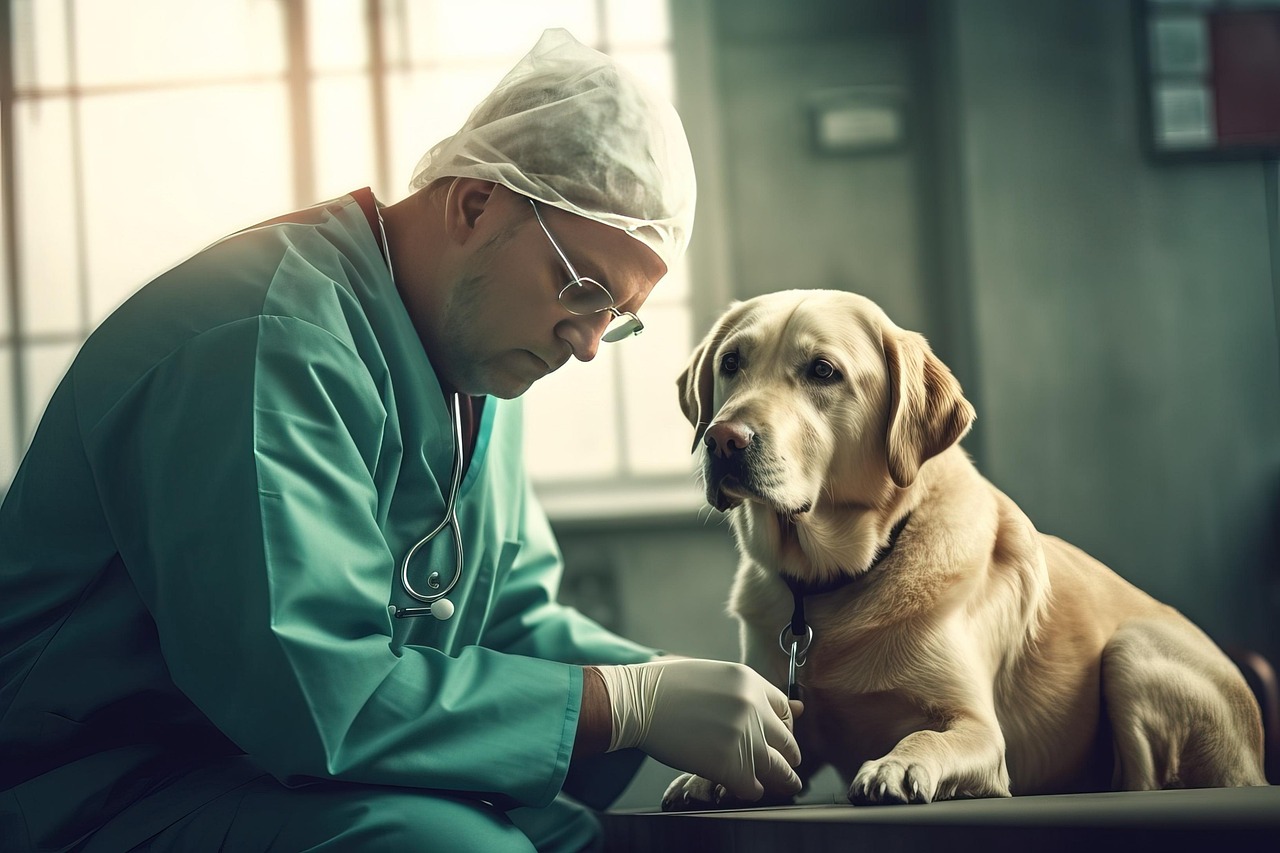
Rescuing a dog can be incredibly rewarding, yet it comes with unique challenges, especially regarding health. Vaccination is crucial for maintaining a dog’s health, particularly if its medical history is unknown. Planning vaccinations properly ensures your rescue dog receives the necessary protection against infectious diseases. Start by scheduling an initial vet visit to assess the dog’s health. The vet can provide recommendations based on age, breed, and health status. Ensure the dog is examined thoroughly, and discuss any observed symptoms or behaviors that may indicate underlying health issues. After this initial evaluation, develop a vaccination schedule tailored to your dog’s specific needs. Most dogs require core vaccines, including rabies, distemper, and parvovirus. However, depending on lifestyle factors and risks, additional vaccines may be needed. Make sure to keep records of all vaccinations, as this information is vital for future health care. Regular follow-ups with the veterinarian are essential for assessing the efficacy of the vaccination plan and making adjustments as necessary to meet the dog’s evolving health needs.
Understanding Core Vaccinations
Familiarizing yourself with the core vaccinations is pivotal for your rescue dog’s wellbeing. Core vaccines protect against the most severe and contagious diseases, such as rabies, parvovirus, and distemper. Depending on local regulations and the dog’s environment, rabies vaccination is often legally required and is essential for public health. Distemper affects the respiratory and nervous systems and can be devastating, while parvovirus leads to severe gastrointestinal illness and can be fatal without veterinary intervention. In addition to these core vaccines, discuss with your vet whether non-core vaccines might be appropriate. These may cover diseases like kennel cough or leptospirosis, particularly if your dog is likely to interact with other dogs or wildlife. Additionally, vacccination schedules may vary based on the country or region, so it’s critical to adhere to guidelines for your specific area. Keeping up-to-date with vaccinations involves regular vet visits and monitoring your dog’s health status. Every dog is unique, hence your approach to vaccinations should be adjusted based on the specific risks and lifestyle of your pet.
The Importance of a Comprehensive Health History
When adopting a rescue dog, obtaining as much health history as possible is key for effective vaccination scheduling. Sometimes, this information may not be readily available, prompting further inquiries with shelters or previous owners. Any documentation regarding prior vaccinations, medications, or health issues will help your vet decide on the necessary vaccinations. For instance, if the dog received certain shots before adoption, re-vaccination may not be needed immediately. Nevertheless, if there is uncertainty about the dog’s vaccination history, consider the vet’s advice about starting from scratch with an initial series of vaccinations. This helps to establish a proper immunization status and protects your dog from preventable diseases. A comprehensive health history can also identify pre-existing conditions requiring special attention during vaccination. Collaborating closely with your vet, you’ll ensure that your rescue dog’s vaccination plan is comprehensive, addressing both historical information and the current health evaluation, ultimately leading to a healthier and happier furry family member.
Establishing a vaccination timeline is not only crucial for your dog’s health but also plays a significant role in managing the overall rescue experience. Most veterinarians recommend that the first vaccination appointments occur shortly after bringing your dog home, ideally within the first few weeks. This early interaction familiarizes the dog with the vet and reduces anxiety for future visits. Additionally, adhering to a timeline will aid in managing your dog’s treatment effectively. For instance, core vaccinations are typically given at set intervals, and missing these appointments can leave your dog vulnerable to disease. Therefore, mark your calendar with vaccine due dates and consider employing reminders to help you stay on track. During every visit, discuss the dog’s behavior and health changes with the vet, ensuring their wellbeing remains a priority. Building a good relationship with your veterinarian will facilitate better communication and ongoing assessments, ensuring timely vaccinations and adjustments based on your dog’s condition or any emerging health issues.
Tips for a Smooth Vaccination Experience
To make the vaccination process as smooth as possible for your rescue dog, consider several helpful strategies. First, establish a comfortable routine for vet visits. Take your dog on short trips to the clinic before the actual appointment to help them acclimate to the environment. This can reduce anxiety and make them more calm during vaccinations. Also, bring along your dog’s favorite toy or blanket to create a sense of security. Talk positively to your dog, reassuring them through the process. Prepare to manage post-vaccination side effects, such as fatigue or minor soreness, and maintain a close eye on their behavior for the following 24 hours. Providing a quiet, safe space at home allows your dog to rest comfortably afterwards. Finally, keep track of all vaccination records and notes on their health. This documentation should include any reactions to vaccines, which can be helpful in future veterinary discussions. Building a positive experience around vaccinations helps reinforce your dog’s trust and eases future visits, ensuring a healthier life.
Consultation with Rescue Organizations
Engaging with rescue organizations is valuable when determining the best vaccination schedule for your newly adopted dog. Many organizations have specific guidelines about vaccinations based on their experiences with similar breeds or health conditions. Reach out to your organization or foster contact for insights and recommendations based on the dog’s background. They might offer records or information on previous vaccinations that could influence your approach. In addition, understanding any special considerations or risks related to certain geographical areas can be essential. For instance, if your dog comes from a region where specific diseases are prevalent, proactive vaccination becomes even more crucial. Collaborating with the rescue group ensures you’re not only abiding by best practices but also leveraging their expertise for your dog’s unique health needs. Plus, they can provide continued support and resources for pet care following adoption, as well as connecting you with other pet owners who face similar challenges.
Ultimately, staying proactive about your rescue dog’s vaccinations fosters a healthy and vibrant life. Engaging in effective planning and continuous assessments can make a significant difference in ensuring their health and happiness. Consider utilizing technology, such as health tracking apps, to log vaccination dates, vet visits, and any important notes regarding their behavior and reactions. This data can serve as a guide during future vet consultations. Incorporate reminders for future appointments to help you stay organized, ensuring that you never miss a vaccination deadline. Maintaining open communication with your veterinarian guarantees that your dog receives timely interventions. Remember, pet health is an ongoing commitment that requires attention, care, and regular check-ins. The journey may be demanding at times, but the fulfillment of nurturing a rescue dog is immensely rewarding. By developing a proactive and informed approach to vaccinations and health care, you set your furry friend on a path to a long, healthy, and joyful life that is full of adventures and love.