
Understanding the Importance of Vitamin Storage for Dogs
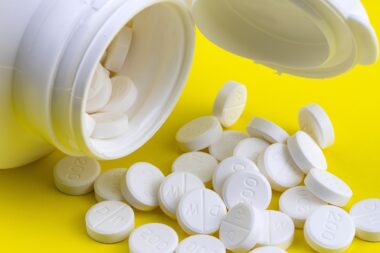
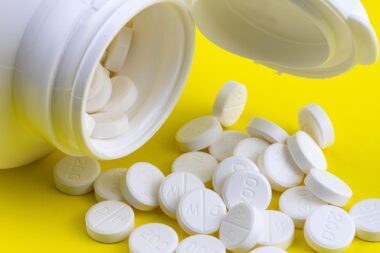
Storing dog vitamins properly is essential for maintaining their effectiveness and ensuring your pet gets the most benefit from them. Just like human supplements, dog vitamins can degrade over time if not stored correctly. Exposure to heat, moisture, and light can cause vitamins to lose their potency, making them less effective for your dog’s health. Therefore, you should store dog vitamins in a cool, dry place, away from direct sunlight and humidity. The bathroom or kitchen may not be ideal due to fluctuating temperatures and moisture levels. Instead, consider using a dedicated cabinet to keep the vitamins safe. Always check packaging for specific storage instructions, as some supplements may require refrigeration. In addition to proper storage, be mindful of the expiration dates on your dog vitamins. Expired products can lead to greater risk without providing the intended health benefits. Regularly check inventory and dispose of any outdated vitamins responsibly. Lastly, always follow the manufacturer’s recommendations for usage and dosage to ensure your dog reaps the full benefits of the vitamins you provide.
Another important consideration when storing dog vitamins is to keep them out of reach of pets and children. Some vitamins may contain ingredients that are harmful in excessive amounts, resulting in potential health risks if ingested. Therefore, it’s wise to follow a few safety guidelines when it comes to storage. Consider using a locked cabinet or an elevated shelf to keep the vitamins secure. Additionally, use original packaging when possible to retain critical information, such as dosage instructions and expiration dates. Doing so will ensure that you have all necessary information at hand whenever you need it. Moreover, if you choose to transfer vitamins into other containers, make sure that they are labeled clearly to avoid any confusion. It could be beneficial to use a dry-erase marker on clear containers, so you can easily update the contents as needed. By taking these precautions, you enhance the safety and longevity of your dog’s vitamins. Furthermore, proper storage practices can help maintain effective nutrient delivery helping your dog achieve optimal health.
Effects of Improper Storage
Improper storage of dog vitamins can have detrimental effects on your pet’s health. When vitamins are exposed to unfavorable conditions, they risk becoming ineffective or even harmful. For instance, if vitamins break down due to high temperatures or moisture, they may contribute to nutritional deficiencies in your dog. Signs of such deficiencies can vary, but generally manifest as lethargy, poor coat condition, or decreased appetite. In some cases, excessive consumption of degraded vitamins might result in toxicity, leading to potential health issues. Keeping an eye on your dog’s behavior can provide early warning signs of problems related to outdated or improperly stored vitamins. Always consult your veterinarian if you suspect your dog may have health issues stemming from vitamin consumption. To minimize these risks, create a detailed storage plan that involves checking vitamins regularly for any changes in appearance or smell, as these can also indicate spoilage. Consider setting reminders on your phone or calendar to routinely evaluate vitamin supplies, ensuring they remain suitable for your dog. Taking proactive steps will not only ensure your pet’s safety but also contribute positively to their overall health.
The packaging of dog vitamins often contains vital information regarding storage and shelf life. It’s crucial to carefully read labels and adhere to the recommended conditions for keeping your dog’s vitamins fresh and potent. Manufacturers typically test their products to determine shelf life, which indicates how long the vitamins will effectively deliver intended benefits when stored properly. It is important to pay attention to this information; many vitamins have a best-by date, which is a guideline for optimal use. Some vitamins may last beyond this date, but quality may diminish over time. To ensure maximum effectiveness, consume these vitamins within the designated timeframe. If any changes in color, texture, or smell occur before this date, they should be discarded. It’s also important to remember that not all vitamins are created equal. Different types may have varying storage requirements based on their formulations. Some brands may guarantee higher potency, while others might have their own specifications for effective preservation. Understanding these differences will aid you in selecting the right products and ensuring proper long-term storage for your dog’s nutritional needs.
Best Practices for Vitamin Storage
To ensure your dog’s vitamins last as long as possible, adopt several best practices for storage. Consider keeping them in the original container, as it is designed to protect the ingredients from exposure to air and moisture. If the container has a seal, make sure to keep it tightly closed after each use. This helps minimize the chances of contamination and moisture build-up. Always use dry hands or a clean scoop to retrieve vitamins, as any introduction of moisture can promote spoilage. Regularly rotate your stock of vitamins, using the oldest products first. This practice guarantees you consume vitamins with optimal potency, minimizing waste. It is advisable to store vitamins in a consistent environment, rather than moving them between different locations that may present varying conditions. An appropriate storage method can include placing them in airtight containers or vacuum-sealed bags for additional protection. Maintaining a stable temperature and humidity level will help prolong the lifespan of the vitamins. Lastly, consider utilizing a chart or log to monitor expiration dates, ensuring you keep track of when to replace them.
Understanding the unique needs of each dog breed can also influence vitamin storage practices. Different breeds require varying nutrient levels, which may affect the types and quantities of vitamins you purchase. This necessitates considering not just storage, but selection criteria as well. For instance, large breeds might be more prone to joint issues, leading owners to purchase vitamins specifically designed for bone health. Conversely, smaller breeds may require different formulations tailored to their size to avoid potential overdoses. Hence, it is essential to consult your veterinarian when deciding on the best vitamin regimen for your dog. They can guide proper dosages and types based on breed, age, and health status. Keeping these factors in mind ensures that storage practices align with your dog’s specific nutritional requirements. Additionally, the varying stability of vitamins can also depend on the formulation (e.g., chewable vs. liquid). Certain formulations may need extra care while handling and storing. Always inquire about storage specifics when selecting the right vitamins. This allows you to optimize both storage methods and your dog’s health strategies.
Conclusion: Prioritizing Proper Storage
In conclusion, understanding the importance of proper vitamin storage for dogs cannot be overstated. Safe storage not only helps prolong the shelf life of your pet’s supplements, but also ensures your dog’s overall health and well-being. Regularly monitoring the condition of vitamins, observing proper storage conditions, and staying abreast of expiration dates allows you to maintain the quality of the vitamins. Prioritizing safety through secure storage promotes not only longevity but also effectiveness. Choosing the right products that fit your dog’s unique needs plays a crucial role in this process. As you become more informed about the significance of vitamin storage, your ability to provide the best care for your dog improves. Implementing best practices will create a lasting positive impact on your dog’s health. Ultimately, by committing to proper vitamin storage, you are taking an essential step in supporting your pet’s nutritional needs, which also enhances their quality of life. Remember, a proactive approach ensures your furry friend remains healthy for years, allowing you both to enjoy many happy moments together.
Taking care of a dog necessitates an understanding of their health requirements, particularly when it involves vitamin supplementation. Taking steps to ensure your dog’s vitamins are effective ensures that they receive the nutrients necessary for thriving. By adopting the best practices discussed in this article, you can set a standard for optimal care. Your pet relies on you to make sound decisions regarding their health, so prioritize knowledge in effective supplementation. By keeping vitamins stored correctly, monitoring their condition, consulting with a veterinarian, and ensuring your selections align with their unique needs, you cultivate a positive environment conducive to your dog’s well-being. Not only will this maintain the nutritional value of the vitamins given, but it also supports your dog’s long-term health. Take pride in your commitment and dedication to your items, allowing your dog to benefit from informed choices. Good practices today lead toward a healthier tomorrow for your furry friend. In every little effort you make, you reinforce your bond with your pet, creating a joyful and harmonious sharing of lives enriched by health and happiness.