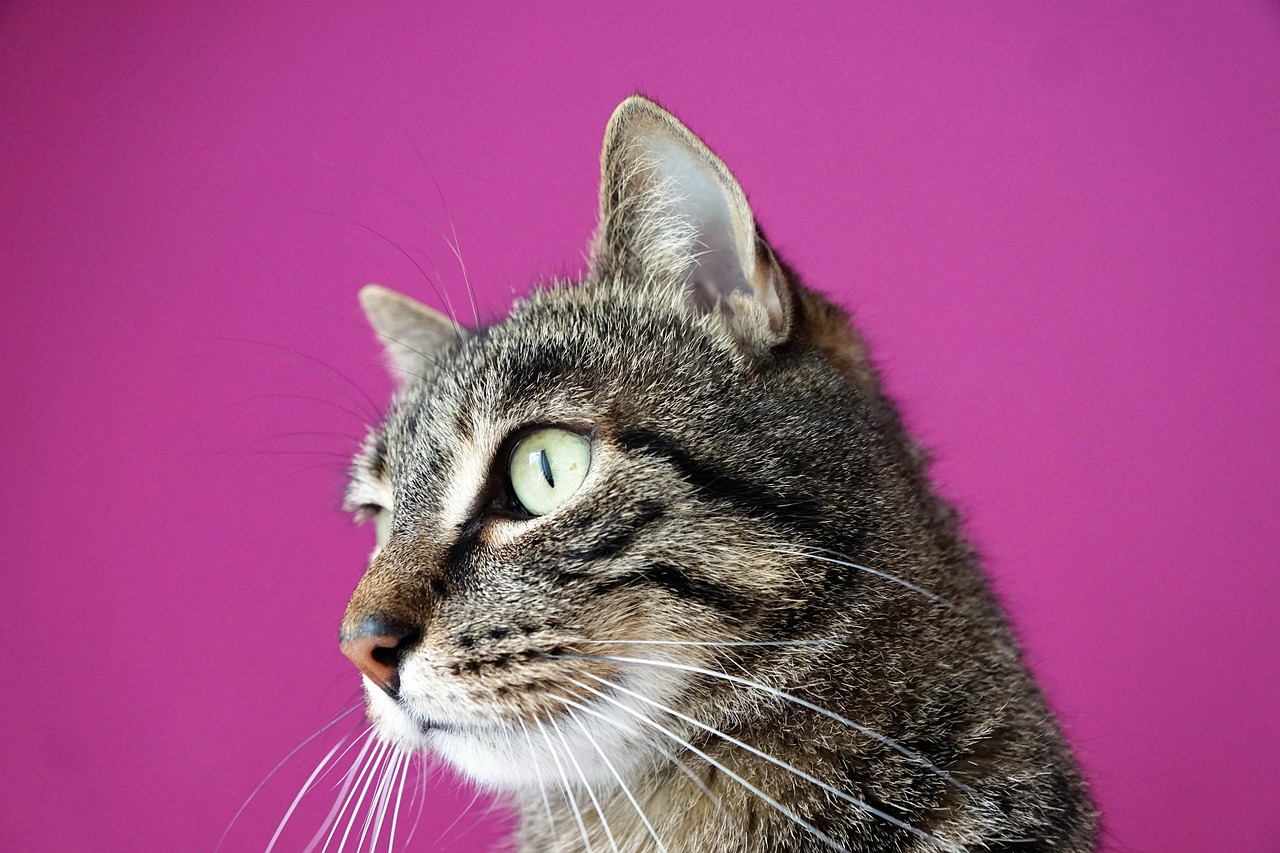

The Role of Stress in Disrupting Cat Breeding Cycles
Understanding the role of stress in cat breeding cycles is essential for responsible cat breeders. Stress can significantly alter a cat’s reproductive patterns, making breeding attempts less successful. Feline stressors can arise from various sources, including environmental factors, health issues, and changes in their living space. When cats experience stress, their bodies might react with hormonal changes affecting the estrous cycle. Cats are seasonal breeders, and disruptions can lead to longer intervals between heats, potentially delaying breeding efforts. Additionally, stress can influence a cat’s mating behavior, causing reluctance or aggression during interactions with potential mates. It is crucial for breeders to identify and minimize stressors to maintain optimal environments for their cats. Common stress triggers include overcrowding, lack of enrichment, and sudden changes in routine. By observing and addressing these factors, breeders can enhance the reproductive health of their cats. Furthermore, providing a calm and safe environment encourages regular breeding cycles, ensuring that cats remain as healthy and stress-free as possible, thus improving their chances of success in breeding ventures with desired outcomes.
Common Stress Factors for Cats
Recognizing common stress factors is vital for cat breeders, as it enables the implementation of effective strategies to mitigate them. Various elements can contribute to feline stress, including environmental noise, the presence of unfamiliar animals, and lack of safe spaces. Moreover, changes in household dynamics, such as new pets or family members, can also induce stress in cats. It’s essential to monitor their behavior and responses to these changes closely. A stressed cat may exhibit signs such as excessive grooming, aggressive behaviors, or hiding. Proper socialization of cats at an early age can be beneficial in reducing their stress levels throughout their lives. Another important factor is the introduction of gradual changes in their surroundings, allowing them to acclimate comfortably. Providing a quiet area where they can retreat when feeling overwhelmed also aids in mitigating stress. Additionally, engaging cats in regular playtime helps release pent-up energy and eases anxiety. Ultimately, understanding a cat’s specific triggers and addressing them will support healthier breeding cycles and improve overall wellbeing.
Another significant aspect of feline stress involves their health. Cats with underlying health issues often experience disruptions in their breeding cycles, as they might be more susceptible to stress. Regular veterinary check-ups are crucial for monitoring the overall health of breeding cats. Vaccinations, dental care, and parasite control can all contribute to a cat’s general wellness. Additionally, ensuring a proper diet tailored to their needs is essential for maintaining reproductive health. Nutritional deficiencies can lead to hormonal imbalances, further exacerbating stress impacts on breeding cycles. It’s vital to provide high-quality food that meets the specific requirements of breeding cats. Moreover, hydration plays a critical role in their health—access to fresh water is fundamental. Weight management is another essential part; overweight cats often face challenges in their breeding processes. Maintaining a balanced weight through proper diet and regular exercise supports healthy hormonal function. Therefore, careful attention to health, nutrition, and overall wellbeing will create the best potential environment for cats to thrive, encouraging regular breeding cycles and successful mating outcomes.
Creating a Stress-Free Environment
Creating a stress-free environment is key to promoting healthy cat breeding cycles. Start by ensuring that the breeding area is quiet, clean, and organized. Moreover, providing adequate space for each cat to explore and feel secure can significantly reduce anxiety. Quality hiding spots, such as cat trees, boxes, or cozy beds, will give felines a place to retreat when feeling overwhelmed. Security is crucial; maintaining a familiar and stable environment prevents unnecessary stress from arising. Additionally, consider utilizing calming products such as pheromone diffusers or sprays designed specifically for cats. These can help create a soothing atmosphere conducive to breeding. Ensuring proper litter box management is also vital; litter boxes should be clean and accessible to minimize stress associated with their use. Scheduled daily routines offer predictability, which can be calming for cats, ultimately enhancing their emotional state. Furthermore, controlled interactions with other pets is crucial, as this can reduce potential conflicts. By focusing on creating a supportive environment, breeders can make a significant impact on maintaining healthy breeding cycles without the hindrance of stress.
Breeding cycles can significantly benefit from monitoring feline behaviors. Observing how cats interact with one another and their environment is integral to anticipating and addressing stressors. Noticing changes in their behavior can be crucial for intervention strategies. For instance, if a cat is exhibiting signs of aggression or withdrawal, it may indicate underlying stress that needs addressing. Regularly monitoring their interactions, such as mating attempts or general play, can help assess their emotional states. Utilizing positive reinforcement techniques during mating interactions can encourage desired behaviors and alleviate stress. Additionally, incorporating enrichment activities into daily routines will help stimulate their instincts, relieve boredom, and thus reduce anxiety. Hiding toys, challenging puzzles, and interactive play can create an enriching environment that fosters positive engagement. Keeping a watchful eye on their social dynamics will aid in recognizing which combinations of cats may not get along, allowing for adjustments where necessary. By fostering an atmosphere where cats feel secure and stimulated, their overall mental health improves, encouraging successful and smooth breeding cycles according to desired schedules.
The Importance of Socialization
Socialization is paramount to minimize stress and promote healthy breeding cycles in cats. Properly socialized cats are more likely to engage positively during mating. Early exposure to various stimuli, other cats, and even human interactions can greatly influence a cat’s responsiveness to breeding situations. Kittens especially benefit from socialization, as it cultivates their sense of security and development. Introducing a kitten to different environments, sounds, and social scenarios during their early months leads to more confident adults. Conversely, cats lacking socialization may struggle when introduced to potential mates or unfamiliar environments. Therefore, it’s critical to ensure that both the breeding males and females have adequate social experiences before mating attempts. Additionally, engaging cats in group play helps build social bonds, making interactions less stressful later. Increasing their comfort level around other cats can ultimately lead to improved mate compatibility. By investing time in their social development, breeders can significantly impact their overall temperament and reduce the chances of stress impacting reproductive cycles. Socialized cats are likely to approach mating with confidence, enhancing the likelihood of successful breeding outcomes.
Stress can have devastating effects on the fertility of cats, impacting the success rate of breeding attempts. Studying how stress affects hormonal regulation in female cats unveils its significance. Increased cortisol levels due to stress can disrupt the delicate hormonal balance necessary for ovulation. As a result, it may lead to irregular or absent estrous cycles. Hormonal irregularities not only delay breeding opportunities but also impact overall health, which is detrimental to both the mother and her potential litter. Male fertility can be affected as well; stress can lead to lower sperm counts and vitality, complicating mating attempts. Breeders must prioritize minimizing stressors to optimize reproductive health effectively. Implementing consistent routines, providing enriching environments, and ensuring health stability are all key approaches in managing stress. Additionally, recognizing signs of stress early will allow for timely intervention. Seeking veterinary advice when necessary is also crucial for ensuring optimal conditions for breeding. By maintaining a focus on health and comfort, breeders can enhance fertility potential, significantly increasing the likelihood of successful breeding and the resulting healthy kittens.
Conclusion
The role of stress in disrupting cat breeding cycles cannot be overstated. By understanding the importance of a low-stress environment, breeders can optimize their practices for better outcomes. Identifying stressors, ensuring health stability, and providing socialization opportunities all contribute to improved breeding health. Additionally, catering to their needs through proper nutrition and enriching environments will further assist in maintaining regular cycles. Prevention remains critical when considering feline stress, requiring breeders to be vigilant and proactive. Therefore, through commitment to creating stress-free experiences, the chances of stronger, more resilient litters increase significantly. Cats thrive in supportive atmospheres, ultimately leading to healthier breeding and lower levels of stress. Evidence shows that when cats feel secure, they are more likely to engage in successful mating behaviors. This holistic approach combines all significant aspects of breeding practices into one effective strategy. By focusing on fostering comprehensive wellbeing, breeders can realize the fruitful advantages of dedicated care and attention, optimizing breeding outcomes in a manner that prioritizes the health and happiness of their feline companions. This foundational knowledge stands to serve the cat breeding community well.